

The global energy industry is entering a new era where speed, intelligence, and adaptability define success. Among the most transformative forces shaping operational efficiency, market forecasting, and risk management today — AI in energy trading stands out as a true inflection point. For energy firms across Europe, embracing intelligent technologies is no longer optional. It is becoming essential for long-term competitiveness.
The Growing Complexity of Modern Energy Markets
Energy trading has become significantly more complex over the last decade. Several converging forces are accelerating this transformation across European and global markets:
- The rapid rise of renewable energy sources and distributed generation
- Increased market volatility driven by geopolitical shifts and demand fluctuations
- Evolving regulatory requirements across European energy regions
- Decentralized energy production challenging traditional grid models
- Real-time pricing models and cross-border energy trading dynamics
Traditional trading systems often struggle to handle the speed and volume of modern market data. Human-led decision-making alone cannot efficiently process thousands of variables influencing electricity, gas, oil, and carbon markets every second. This is precisely why AI in energy trading is gaining momentum — enabling organizations to automate repetitive tasks, analyze large datasets instantly, and improve forecasting accuracy with greater confidence.
Understanding AI in Energy Trading
AI in energy trading refers to the use of artificial intelligence technologies — including machine learning, predictive analytics, natural language processing, and intelligent automation — to optimize trading activities within energy markets. These systems are designed to continuously learn and adapt, unlike traditional software that follows fixed rules.
Market Trend Analysis
Real-time monitoring of price signals, supply data, and demand indicators across multiple markets simultaneously.
Price Forecasting
Predictive models that forecast energy price movements with greater precision than traditional statistical methods.
Risk Management
Proactive identification of counterparty risks, market exposures, and regulatory compliance concerns.
Workflow Automation
Intelligent automation of repetitive tasks from trade validation to settlement processing and compliance checks.
Why AI Adoption Is Accelerating in Energy Trading
Rising Data Volumes
Energy trading operations generate enormous amounts of data from weather forecasts, market prices, grid demand, renewable generation outputs, geopolitical news, regulatory announcements, and consumer consumption patterns. Human teams simply cannot manually process all this information efficiently. Artificial intelligence in energy markets enables traders to convert raw data into actionable insights within seconds.
Increased Market Volatility
The transition toward renewable energy has introduced new unpredictability into power generation. Solar and wind output fluctuate depending on weather conditions, creating unstable supply patterns. AI-driven systems help traders react quickly to changing market conditions while reducing exposure to unexpected price movements.
Pressure to Improve Margins
Competition within energy trading is intensifying. Organizations are seeking ways to improve operational efficiency while reducing costs. This has led many firms to adopt energy trading automation solutions that streamline workflows and minimize manual intervention.

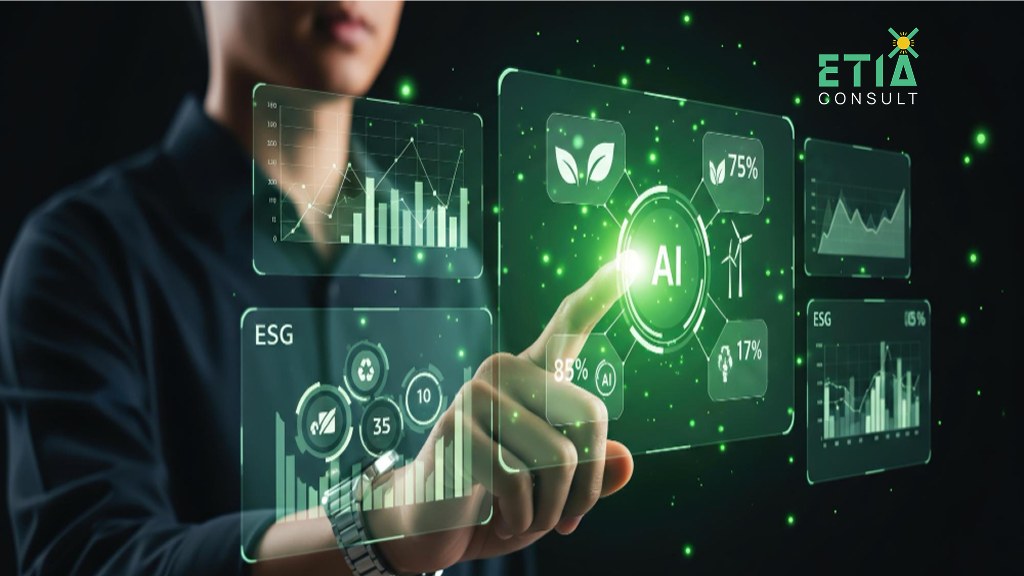
Description: This visualization represents an advanced AI energy trading analytics interface showing live price curves, demand forecasting models, renewable energy output predictions, and algorithmic trading signals. Used by ETIAconsult clients to make faster, data-driven trading decisions in European energy markets.
How AI Is Transforming Energy Trading Operations
Smarter Market Forecasting
Forecasting has always been one of the most critical aspects of energy trading. Even small inaccuracies in predicting supply, demand, or pricing can lead to substantial financial losses. AI-powered systems can process historical market trends, weather patterns, demand fluctuations, and real-time data simultaneously to produce highly accurate forecasts.
Predictive analytics for energy trading is helping organizations make faster and more informed decisions while improving portfolio performance. For example, AI can forecast:
- Electricity demand spikes
- Renewable generation output
- Price volatility windows
- Transmission congestion
- Fuel market shifts
- Carbon credit movements
AI is not replacing energy traders. It is empowering them to make better decisions in a faster and more complex energy landscape — combining human expertise with the analytical precision of machine intelligence.
Real-Time Trading Decisions
Energy markets move rapidly, especially in intraday and balancing markets. Delayed decisions can result in missed opportunities or financial losses. AI-powered trading analytics allows firms to monitor market activity continuously and execute trades based on predefined intelligent models — identifying profitable trading signals and recommending optimal actions in real time.
Enhanced Risk Management
Risk management is central to every energy trading operation. Machine learning in energy trading enables firms to detect abnormal patterns and identify potential risks before they escalate. AI models continuously evaluate counterparty risks, market exposure, liquidity fluctuations, asset performance risks, and regulatory compliance concerns — strengthening operational resilience proactively.
Automation of Routine Operations
Energy trading automation helps eliminate manual inefficiencies in workflows such as data entry, trade validation, reporting, settlement processing, and compliance checks. Companies implementing intelligent automation consistently experience faster workflows, reduced operational costs, improved reporting accuracy, and better scalability across their trading operations.
Automation frees trading teams from time-consuming operational tasks, allowing them to focus on strategic analysis and market optimization — where human expertise delivers the most value.
Optimizing Renewable Energy Trading
Since renewable generation depends heavily on weather conditions, forecasting accuracy is essential. AI systems can analyze meteorological data alongside grid information to predict renewable output more effectively — optimizing wind energy trading, solar power balancing, battery storage management, and grid stability planning. Artificial intelligence in energy markets is becoming particularly important as Europe accelerates its clean energy transition.
The Role of Machine Learning in Modern Trading
Machine learning in energy trading is one of the most impactful applications of artificial intelligence. ML models improve automatically as they process larger datasets over time, allowing trading systems to become increasingly accurate and adaptive across four core applications:
- Price Prediction Models — Algorithms identify historical pricing patterns and forecast future market movements with greater precision.
- Demand Forecasting — AI systems analyze consumer behavior, weather trends, and industrial activity to estimate future energy demand.
- Trading Strategy Optimization — Machine learning evaluates multiple scenarios and optimizes trading strategies based on evolving market conditions.
- Anomaly Detection — AI quickly identifies unusual trading patterns, operational irregularities, or suspicious activities indicating potential risk.
These capabilities are helping organizations transition from reactive operations to proactive market intelligence — a fundamental shift in competitive positioning.
AI-Powered Analytics and Data Intelligence
Data is one of the most valuable assets in energy trading today. However, raw data alone has limited value unless it can be interpreted effectively. AI-powered trading analytics converts complex datasets into meaningful insights that support better operational and financial decisions.
Modern analytics platforms provide real-time dashboards, predictive market insights, automated reporting, portfolio optimization recommendations, and risk exposure analysis — giving leadership teams the visibility needed to make informed strategic decisions with greater confidence.
Challenges of Implementing AI in Energy Trading
While the benefits are substantial, adopting AI technologies also presents real implementation challenges that organizations must address strategically:
Data Quality Issues
AI systems rely heavily on accurate and structured data. Poor data quality reduces forecasting accuracy and affects trading outcomes — requiring robust data governance and integration frameworks.
Integration with Legacy Systems
Many energy companies still operate on outdated infrastructure. Successful digital transformation often requires phased modernization strategies to bridge legacy and modern AI platforms.
Regulatory Compliance
Energy markets are heavily regulated, particularly in Europe. AI-driven systems must align with compliance requirements, reporting standards, and evolving regulatory frameworks.
Talent and Skill Gaps
Implementing advanced AI technologies requires professionals who understand both energy trading operations and data science — a combination best bridged through experienced consulting partners.
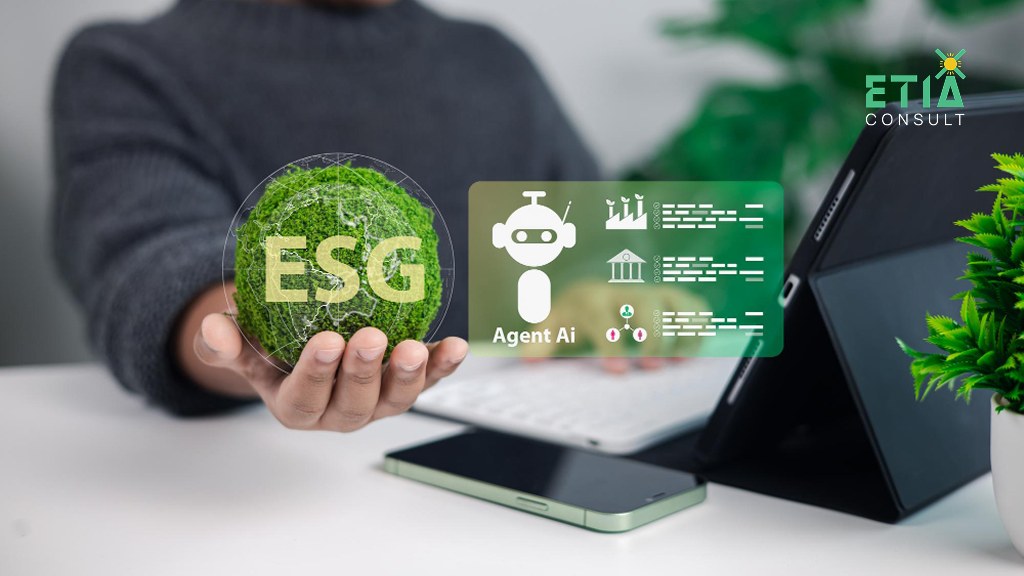
Description: ETIAconsult's expert consulting team collaborating on an intelligent energy trading modernization strategy. The session covers AI integration frameworks, data governance models, regulatory compliance alignment, and phased digital transformation roadmaps tailored for European energy organizations navigating the clean energy transition.
How ETIAconsult Supports Intelligent Energy Trading
ETIAconsult, based in the Netherlands, is helping energy organizations navigate the evolving digital trading landscape with innovative consulting and technology expertise. As the industry embraces AI in energy trading, ETIAconsult supports companies through tailored digital transformation strategies, trading system modernization, intelligent automation implementation, data optimization frameworks, advanced analytics integration, and operational efficiency enhancement.
Successful transformation is not just about adopting technology. It is about aligning innovation with operational goals, regulatory requirements, and market realities — precisely where ETIAconsult's expertise delivers measurable, lasting value.
The Future of AI in Energy Trading
The future of energy trading will become increasingly intelligent, automated, and data-driven. Several emerging trends are expected to shape the next phase of AI adoption in European and global energy markets:
Organizations that invest early in intelligent technologies will likely gain significant competitive advantages in the years ahead. The transition toward AI-driven energy trading is already underway — companies delaying adoption risk falling behind competitors leveraging automation, predictive intelligence, and advanced analytics right now.
Frequently Asked Questions
Everything you need to know about AI in energy trading
Modernize Your Energy Trading
with AI Intelligence
ETIAconsult helps European energy organizations navigate digital transformation with expert AI integration strategies, advanced analytics, and operational optimization tailored for modern energy markets.