

Energy business resilience has become essential in an industry where change has always been part of the job. Commodity prices fluctuate, regulations evolve, technology develops rapidly, and geopolitical events can influence supply chains and energy markets with little warning. Today these pressures are joined by the transition toward cleaner energy, shifting customer expectations, and increasing digitalisation. For energy companies, resilience is no longer just about responding to disruption after it happens — it’s about building the capabilities, systems, and strategies needed to anticipate challenges, adapt to changing conditions, and keep delivering value.
What Is Energy Business Resilience?
Resilience refers to an organisation’s ability to withstand disruption, adapt to changing conditions, and continue critical operations while protecting its long-term objectives. For an energy company, that may involve everything from maintaining reliable infrastructure and securing fuel supplies to managing financial exposure and protecting digital systems.
- Operational continuity
- Financial stability
- Supply chain reliability
- Cybersecurity
- Workforce readiness
- Regulatory preparedness
- Strategic flexibility
These areas are interconnected. A supply disruption can affect operations, shifting markets can influence investment decisions, and a cyber incident can create both financial and reputational consequences — which is why resilience needs to be a business-wide responsibility, not a single department’s task.

Preparing for Market Volatility
Energy markets can change quickly. Commodity prices, demand patterns, geopolitical developments, weather conditions, and policy decisions can all influence market performance. Market volatility creates risk, but it can also create opportunity for organisations that are prepared to respond.
The purpose of scenario planning isn’t to predict exactly what will happen — it’s to understand how different possibilities could affect the business and how the organisation might respond.
Strengthening Business Continuity
This focuses on maintaining critical operations when normal processes are disrupted. For energy companies, continuity planning matters because many activities support essential services — a disruption involving equipment, technology, personnel, suppliers, or infrastructure can have consequences well beyond the organisation itself.
A strong continuity framework should identify:
- Critical business functions and essential resources
- Key suppliers and dependencies
- Communication responsibilities and recovery priorities
- Alternative operating arrangements
Plans should be tested periodically. A document sitting quietly in a folder may look reassuring, but it becomes far more useful once employees actually know what to do.
Building Operational Resilience
Operational resilience extends beyond recovering from disruption — it’s about the ability to keep delivering important services while conditions are changing. Energy organisations can strengthen it by investing in reliable infrastructure, preventive maintenance, workforce training, monitoring systems, and appropriate backup capabilities.
Digital technologies contribute too. Real-time monitoring can help teams spot unusual equipment behaviour before it becomes a larger operational problem, predictive analytics can support maintenance planning, and connected systems can improve awareness across geographically distributed assets. Technology isn’t a substitute for sound processes, but when the two work together, organisations respond more effectively.
Managing Enterprise Risk and Supply Chains
This approach provides a structured way to identify, assess, prioritise, and manage risks across the organisation. Energy businesses face a wide range of exposures — commodity and financial risk, regulatory change, supply chain disruption, infrastructure failure, cybersecurity threats, and workforce shortages among them.
The most important step isn’t creating a long list of risks — it’s understanding which ones matter most and how they interact. The same logic applies to supply chains: diversification doesn’t mean replacing every supplier with several alternatives, it means understanding where concentration creates unacceptable vulnerability. Frameworks such as the World Economic Forum’s Global Risks Report can help leadership teams benchmark which threats deserve the most attention.
Investing in Digital Resilience
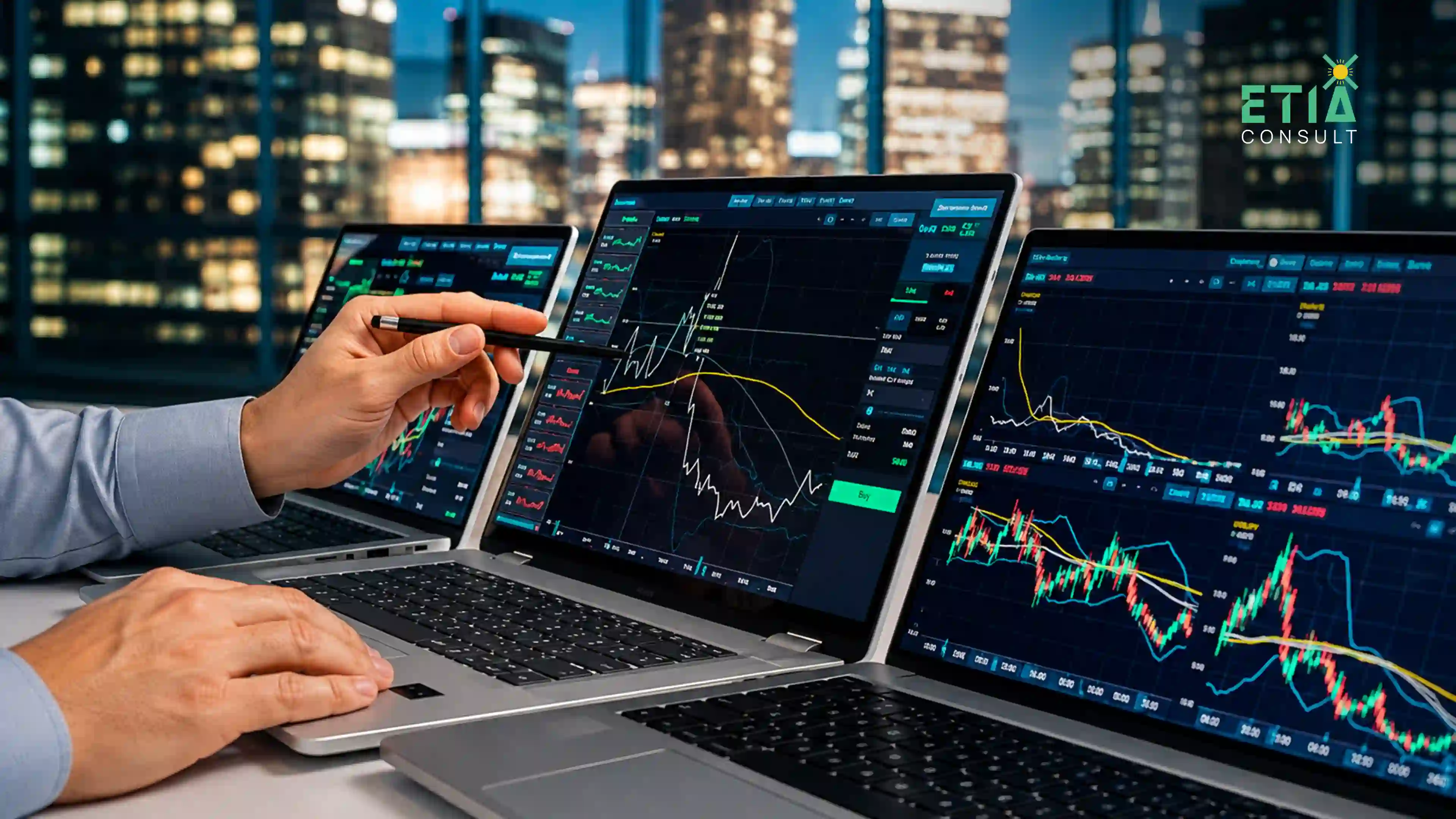
Digital systems increasingly support energy generation, distribution, trading, customer service, and asset management — which makes digital resilience an important part of the wider picture. Organisations should consider cybersecurity, system redundancy, data protection, backup processes, access management, and incident response capabilities, and test them regularly to reveal weaknesses before they become operational problems.
Digital transformation should include resilience from the beginning. Adding security and recovery measures after systems are already deployed is considerably harder than designing them into the architecture from day one.
Strategic Planning for an Uncertain Future
Strategic planning provides direction, but a resilient strategy also has to stay flexible. Energy companies are making decisions in an environment shaped by changing technologies, evolving regulation, energy transition priorities, and shifting market conditions. Rather than relying on one long-term assumption, businesses can develop multiple scenarios and identify strategies that remain viable across them.
Questions like these help leadership teams prepare for several possible futures instead of betting everything on one prediction — and, as the IEA’s ongoing work on energy security shows, the range of scenarios energy leaders now need to plan for keeps expanding.
Financial Flexibility and Workforce Readiness
Financial resilience gives organisations greater freedom to respond when circumstances change. Energy businesses can strengthen it through disciplined cash management, prudent investment planning, appropriate financing structures, and regular stress testing — capital allocation should weigh not just expected returns, but how an investment performs under less favourable conditions.
People matter just as much as capital. Employees need the skills, information, and authority to respond when established processes no longer work as expected. Organisations can support this through regular training, cross-functional collaboration, clear roles and responsibilities, emergency response exercises, and leadership development — a workforce that understands both normal operations and disruption procedures is far better positioned to respond calmly when unexpected events occur.
Turning Resilience Into a Lasting Advantage
Resilience is often seen as protection against downside risk, but it can also create competitive advantage — helping a company respond quickly to market changes, maintain customer confidence, capture emerging opportunities, and make informed investment decisions. In other words, resilience isn’t just about surviving uncertainty; it helps organisations move through it with greater confidence.
Energy business resilience can’t be achieved through one project or one annual risk review. It requires a culture where teams regularly question assumptions, identify vulnerabilities, learn from disruptions, and improve systems — with leadership reflecting resilience in investment decisions, operational planning, technology strategies, and supplier relationships. An uncertain global market doesn’t necessarily mean an uncertain future for every energy business. By investing in resilient systems, capable people, and adaptable strategies, energy businesses can move beyond simply reacting to disruption and pursue sustainable growth even when markets refuse to behave politely. ETIAconsult supports this work through risk management and technology integration services built around practical, lasting resilience.
Frequently Asked Questions
Common questions on building resilience in the energy sector
Build Resilience Into
Every Part of Your Business
ETIAconsult helps energy companies in the Netherlands and across the EU strengthen continuity, manage risk, and plan strategically for an uncertain market.