

In today’s rapidly evolving global landscape, businesses and governments alike are asking an important question: What is Decarbonization and why does it matter so much?
As climate concerns intensify and regulatory frameworks become stricter, decarbonization has emerged as a central pillar of sustainable growth and long term resilience.
This blog aims to provide a clear and comprehensive understanding of What is Decarbonization, while also highlighting how expert advisory firms like ETIA Consult in the Netherlands are helping organizations transition toward a cleaner, smarter, and more sustainable future.
At its core, Decarbonization refers to the process of reducing or eliminating carbon dioxide emissions from various sectors such as energy, transportation, manufacturing, and infrastructure. The primary goal is to minimize environmental impact and combat climate change by transitioning from fossil fuel dependency to cleaner alternatives.
The decarbonization meaning extends beyond simply cutting emissions. It involves a systematic transformation of how energy is produced, consumed, and managed. This includes adopting renewable energy sources, improving energy efficiency, and integrating advanced technologies to monitor and optimize carbon footprints.
Decarbonization is about reshaping industries to operate with minimal environmental harm while maintaining economic productivity.
Understanding Decarbonization becomes crucial when considering international agreements like the Paris Climate Accord. Nations are committing to net zero targets, and organizations must align with these goals to remain compliant and competitive.
Companies that embrace decarbonization often gain a competitive advantage. Investors, stakeholders, and consumers increasingly prefer businesses that demonstrate environmental responsibility and forward thinking strategies.
Governments worldwide are implementing stricter emission regulations. Organizations that proactively adopt Decarbonization Solutions are better positioned to meet these evolving requirements without disruption.
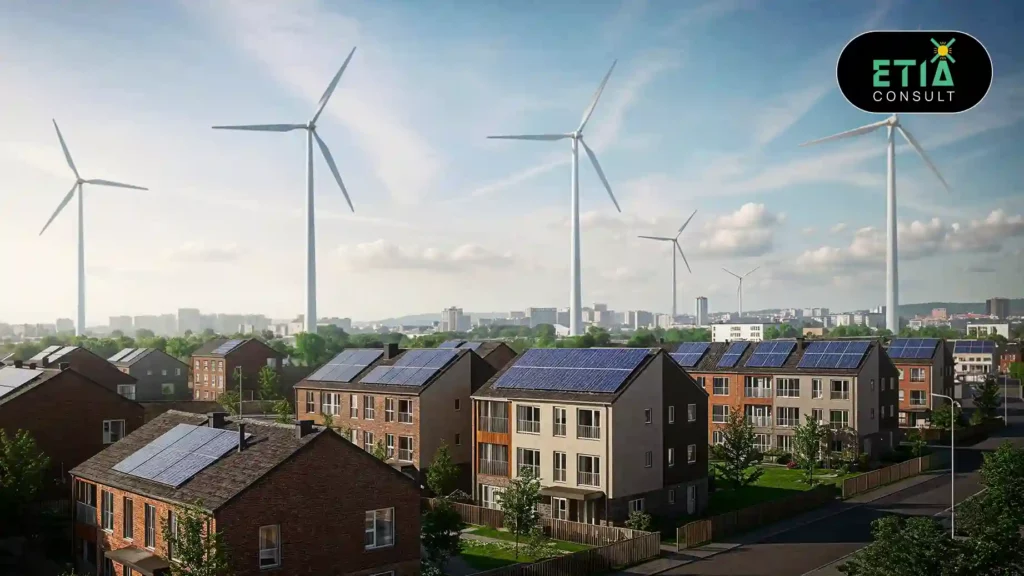
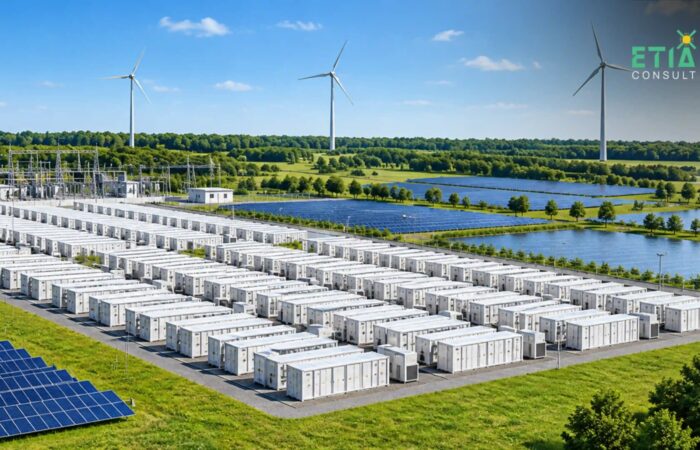
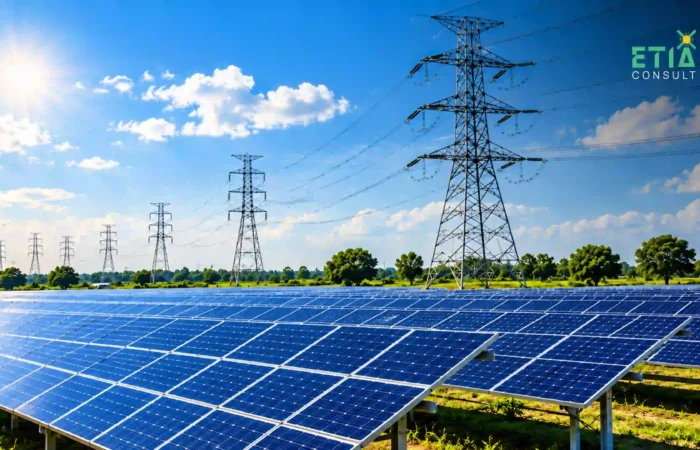
A significant aspect of Decarbonization lies in transforming the Power and Energy sector. This involves shifting from coal and oil to renewable sources such as solar, wind, and hydropower.
Modern systems also emphasize decentralized energy generation and smart grids that enhance efficiency and reliability.
Reducing energy consumption is equally important. Businesses are investing in energy efficient technologies, optimizing operations, and minimizing waste to lower emissions.
Advanced technologies such as artificial intelligence and data analytics play a vital role in decarbonization. They enable real time monitoring, predictive maintenance, and intelligent decision making.
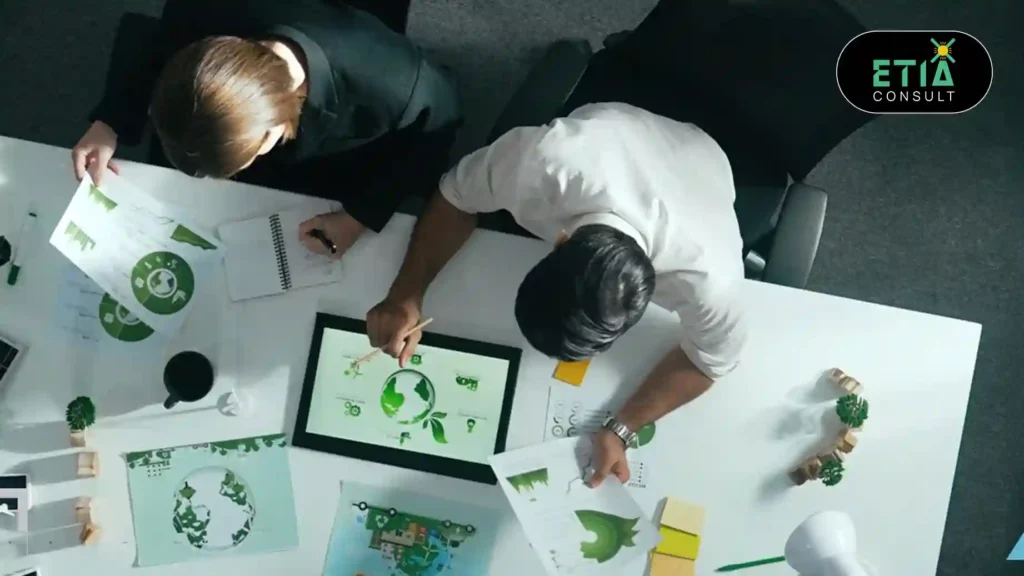
Implementing decarbonization strategies is not a straightforward process. It requires deep expertise, careful planning, and continuous evaluation. This is where Strategic Consulting becomes essential.
Consulting firms like ETIA Consult provide tailored roadmaps that align sustainability goals with business objectives. They help organizations identify opportunities, mitigate risks, and implement effective solutions.
With the integration of analytics and AI, consulting firms enable organizations to make informed decisions. This ensures that decarbonization efforts are both impactful and cost effective.
ETIA Consult has established itself as a leader in sustainability and innovation. Their expertise in Decarbonization allows them to guide organizations through every stage of the transition journey.
ETIA Consult offers a wide range of Decarbonization Solutions tailored to diverse industries. From energy audits to carbon management strategies, their services are designed to deliver measurable results.
One of the key strengths of ETIA Consult is their focus on Sustainable Energy Solutions. They help businesses adopt renewable energy systems and optimize energy usage for long term sustainability.
The concept of Corporate Sustainability 2.0 represents a shift from traditional sustainability practices to more integrated and strategic approaches. It emphasizes innovation, accountability, and measurable impact.
Understanding Decarbonization is essential for achieving Corporate Sustainability 2.0. It enables organizations to align their environmental initiatives with overall business strategies, ensuring holistic growth.
The Future of FinTech AI is closely linked to sustainability. Financial technologies powered by AI are enabling better investment decisions, risk assessment, and resource allocation in decarbonization projects.
AI driven platforms can track carbon emissions in real time, providing accurate insights and facilitating transparent reporting. This enhances accountability and supports regulatory compliance.
One of the major challenges in understanding Decarbonization is the cost associated with implementing new technologies and infrastructure.
While advancements are rapid, integrating new systems with existing operations can be complex and time consuming.
Change management is often a hurdle. Employees and stakeholders may resist new processes, making it essential to have strong leadership and clear communication.
ETIA Consult develops tailored strategies that address specific organizational needs, ensuring smooth transitions and effective implementation.
Their approach includes ongoing monitoring and optimization, helping businesses adapt to changing conditions and maintain progress.
By leveraging cutting edge technologies and insights, ETIA Consult ensures that clients stay ahead in their decarbonization journey.
The first step in understanding Decarbonization is assessing current emissions. This provides a baseline for improvement.
Organizations should define measurable goals aligned with global standards and industry benchmarks.
Adopting renewable energy systems and energy efficient technologies is crucial for reducing emissions.
Partnering with firms like ETIA Consult ensures access to expertise and resources needed for successful implementation.
In conclusion, understanding Decarbonization is no longer optional but essential for organizations aiming to thrive in a sustainable future. It represents a comprehensive approach to reducing carbon emissions, enhancing efficiency, and driving innovation.
With the support of experienced partners like ETIA Consult, businesses can navigate the complexities of decarbonization with confidence. Their expertise in Strategic Consulting, Sustainable Energy Solutions, and advanced technologies ensures that organizations not only meet regulatory requirements but also achieve long term growth and resilience.
As we move toward a low carbon economy, embracing decarbonization is not just a responsibility but an opportunity to lead, innovate, and create lasting impact.
Decarbonization is the process of reducing carbon emissions by transitioning to cleaner energy sources and improving energy efficiency.
For businesses, decarbonization means adopting sustainable practices, reducing emissions, and aligning operations with environmental goals.
They provide structured strategies and technologies to reduce carbon footprints, improve efficiency, and ensure compliance with regulations.
Strategic Consulting helps organizations plan, implement, and optimize their decarbonization efforts effectively.
They enable the use of renewable energy sources, reduce dependency on fossil fuels, and support long term environmental sustainability.
Adding {{itemName}} to cart
Added {{itemName}} to cart