

The global energy landscape is undergoing a profound transformation. With rising demand, evolving regulations, and the increasing adoption of sustainable energy sources, businesses are facing a more complex environment than ever before.
In this dynamic ecosystem, one concept has become essential for energy companies, traders, and utilities alike: What is ETRM.
Understanding Energy Trading and Risk Management is no longer optional. It is a necessity for organizations that aim to stay competitive, manage risks effectively, and embrace future-ready strategies. This blog explores the concept in depth while highlighting how ETIAconsult in the Netherlands supports businesses in navigating this space with confidence and precision.
At its core, Energy Trading and Risk Management refers to the processes, tools, and systems used to manage the buying, selling, and risk exposure of energy commodities such as oil, gas, electricity, and renewable energy.
To better understand this concept, think of it as a centralized framework that helps organizations track trades, monitor market positions, manage financial risks, and maintain regulatory compliance. It connects front-office trading activities with back-office operations, creating a seamless workflow.
Modern Energy Trading and Risk Management systems are not just operational tools. They are strategic assets that enable data-driven decision-making and enhance overall efficiency.
The importance of Energy Trading and Risk Management becomes even more relevant when we consider the increasing complexity of global energy markets. Several factors contribute to this shift:
Energy prices fluctuate rapidly due to geopolitical factors, supply-demand imbalances, and policy changes. Effective Energy Trading and Risk Management ensures that companies can mitigate financial exposure.
Energy prices fluctuate rapidly due to geopolitical factors, supply-demand imbalances, and policy changes. Effective Energy Trading and Risk Management ensures that companies can mitigate financial exposure.
Energy prices fluctuate rapidly due to geopolitical factors, supply-demand imbalances, and policy changes. Effective Energy Trading and Risk Management ensures that companies can mitigate financial exposure.
Governments worldwide are imposing stricter environmental and trading regulations. Advanced Energy Trading and Risk Management software helps companies stay compliant while maintaining operational efficiency.
Energy companies are increasingly adopting digital tools. Modern Energy Trading and Risk Management systems integrate analytics, automation, and real-time data to improve performance.
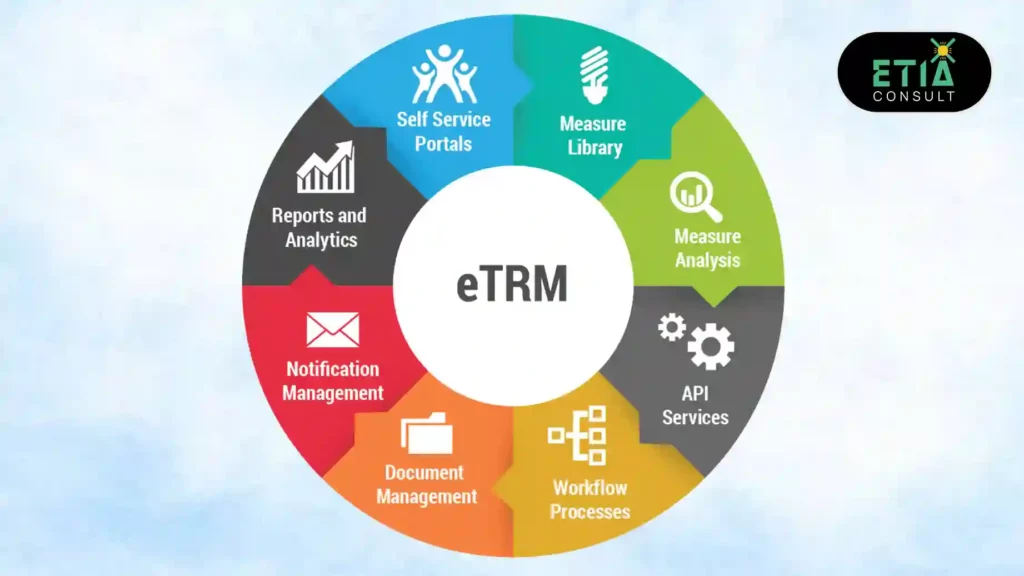
To fully grasp Energy Trading and Risk Management, it is important to understand its core components:
This involves recording all energy trades accurately. Whether it is electricity, natural gas, or emerging fuels, capturing trade data is essential.
Risk assessment tools within Energy Trading and Risk Management software help monitor credit risk, market risk, and operational risk.
Energy delivery involves complex logistics. Energy Trading and Risk Management platforms ensure smooth scheduling and execution.
Accurate financial tracking is crucial. Energy Trading and Risk Managementsolutions provide real-time insights into profit and loss, helping businesses make informed decisions.
Regulatory requirements demand transparency. Energy Trading and Risk Management systems ensure that all transactions are documented and auditable.
As the world shifts toward cleaner energy, the relevance of Energy Trading and Risk Management continues to grow. Companies are not only managing traditional energy assets but also integrating renewables into their portfolios.
A key trend shaping the energy sector is What is Green Hydrogen. It refers to hydrogen produced using renewable energy sources such as wind or solar. This clean fuel is gaining traction as industries aim to reduce carbon emissions.
The concept of fuel of the future hydrogen aligns perfectly with modern Energy Trading and Risk Management strategies. As hydrogen markets expand, businesses will rely heavily on Energy Trading and Risk Management systems to manage trading, pricing, and risk.
The integration of renewables and emerging fuels is driving fuel market growth. Companies that understand Energy Trading and Risk Management are better positioned to capitalize on these opportunities. They can efficiently manage diverse energy portfolios while maintaining profitability.
Modern energy trading software goes beyond basic trading functions. It offers advanced capabilities that improve overall business performance:
Access to real-time market data allows companies to make quick and informed decisions.
Automation reduces manual errors and increases operational efficiency.
As businesses grow, Energy Trading and Risk Management systems can scale to accommodate increased trading volumes and complexity.
Energy Trading and Risk Management platforms integrate with other enterprise systems, creating a unified digital ecosystem.
Understanding this concept in this context highlights its role as a critical enabler of digital transformation in the energy sector.
The concept of Corporate Sustainability 2.0 emphasizes not just compliance but proactive environmental responsibility. Companies are now expected to align profitability with sustainability goals.
Energy Trading and Risk Management plays a vital role in achieving this balance. By providing transparency and control over energy trading activities, it enables organizations to:
When businesses understand Energy Trading and Risk Management, they can effectively contribute to sustainability while maintaining financial performance.
Implementing Energy Trading and Risk Management solutions requires expertise, strategy, and a deep understanding of energy markets. This is where ETIAconsult stands out.
ETIAconsult brings extensive experience in Energy Trading and Risk Management, helping businesses navigate complex challenges.
Every organization has unique requirements. ETIAconsult provides customized strategies that align with specific business goals.
With a strong emphasis on digital transformation, ETIAconsult integrates advanced technologies into Energy Trading and Risk Management systems.
The company supports initiatives related to Corporate Sustainability 2.0, enabling clients to achieve long-term environmental and economic success.
By partnering with ETIAconsult, businesses gain a reliable ally in understanding and implementing Energy Trading and Risk Management effectively.

While the benefits are significant, implementing Energy Trading and Risk Management solutions comes with its own set of challenges:
Deploying advanced energy trading software requires substantial financial resources.
Integrating multiple data sources can be complex.
Adopting new systems often requires organizational change and employee training.
Keeping up with evolving regulations can be challenging without expert guidance.
This is why working with experienced consultants like ETIAconsult is essential for successful implementation.
Businesses that invest in advanced Energy Trading and Risk Management platforms gain a strong advantage in competitive markets. These tools improve visibility, reduce manual errors, and support faster decision-making. Modern trading systems help organizations manage market volatility, automate workflows, and strengthen profitability. With the right software, companies can improve operational efficiency while staying prepared for evolving industry changes.
As industries explore What is Green Hydrogen, demand for smarter trading platforms continues to rise. Many experts consider it the fuel of the future hydrogen solution because of its low-carbon potential. This shift is accelerating fuel growth, creating new opportunities for companies that can manage emerging assets efficiently. Businesses that understand this solution can better adapt to renewable markets and changing energy portfolios.
Modern organizations are focusing on Corporate Sustainability 2.0, where profitability and environmental responsibility work together. Advanced digital tools help track emissions, optimize renewable usage, and improve reporting standards. By combining sustainability goals with strong Energy Trading and Risk Management practices, businesses can remain competitive, compliant, and ready for long-term growth in a rapidly changing global market.
The evolution of Energy Trading and Risk Management is shaped by several emerging trends:
AI-driven analytics will enhance forecasting and decision-making.
Blockchain can improve transparency and security in energy trading.
As renewable energy grows, Energy Trading and Risk Management systems will evolve to manage new types of assets.
The rise of fuel of the future hydrogen will create new trading opportunities and complexities.
In a rapidly evolving energy landscape, understanding Energy Trading and Risk Management is crucial for businesses that want to stay competitive and fuel future growth. From managing market risks to enabling sustainable growth, these systems play a central role in modern energy operations.
As the industry moves toward cleaner energy solutions like What is Green Hydrogen and embraces concepts such as Corporate Sustainability 2.0, the importance of robust Energy Trading and Risk Management frameworks will only increase.
ETIAconsult in Netherlands offers the expertise, innovation, and strategic guidance needed to navigate this complex environment. By partnering with ETIAconsult, organizations can unlock the full potential of these systems and position themselves for long-term success.
Energy Trading and Risk Management is important because it helps companies manage energy trades, reduce risks, improve efficiency, and ensure regulatory compliance.
An energy trading system is used for trade management, risk assessment, financial reporting, and regulatory compliance in energy markets.
Energy trading software helps manage the integration of renewable energy sources by tracking trades, balancing supply, and analyzing market data.
Green hydrogen is a clean energy source produced using renewable power. It is relevant to energy trading and risk management because it introduces new trading opportunities, pricing models, and market dynamics.
ETIAconsult offers expert guidance, customized solutions, and a strong focus on sustainability and innovation, making it a trusted partner for energy trading system implementation.
Adding {{itemName}} to cart
Added {{itemName}} to cart