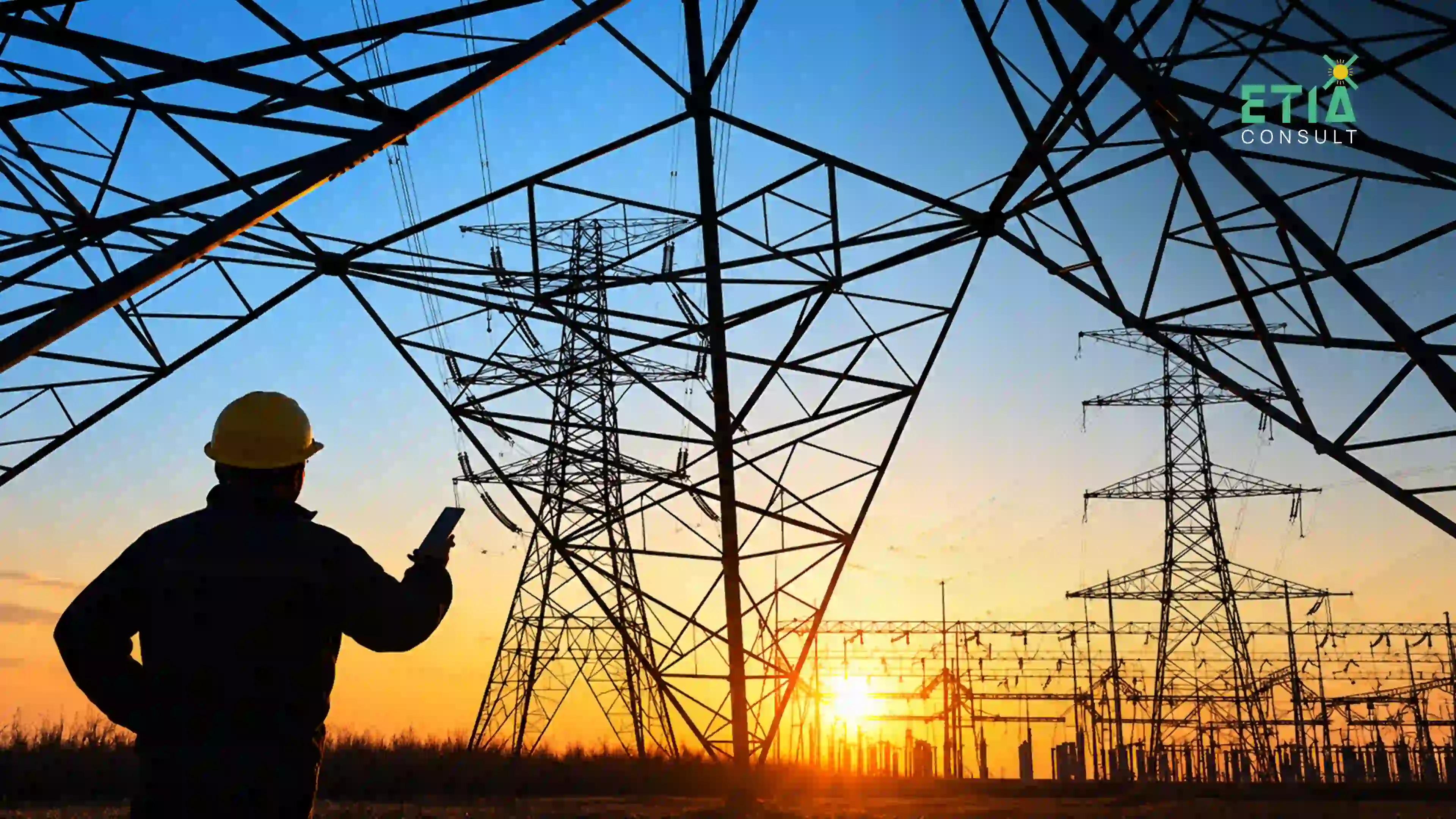



The global energy industry is standing at a defining crossroads. As governments tighten regulations, investors demand greater transparency, and consumers expect responsible operations, Environmental, Social, and Governance practices are no longer optional — they are becoming the foundation of long-term business survival. For companies operating across oil, gas, renewables, utilities, and power generation, understanding the upcoming ESG challenges for energy companies is critical for maintaining competitiveness in 2026 and beyond.
Why ESG Is Becoming More Critical for Energy Companies
The energy industry contributes significantly to global greenhouse gas emissions. Because of this, governments and environmental agencies are increasing pressure on businesses to adopt sustainable practices and disclose environmental impacts more transparently. These changes are creating major ESG challenges for energy companies, particularly those transitioning from traditional energy models to cleaner alternatives.
At the same time, investors are shifting capital toward businesses with stronger ESG performance. Banks, financial institutions, and private equity firms increasingly evaluate sustainability metrics before approving investments or financing. Understanding what sustainable finance now demands is essential for any energy organization seeking access to European capital markets in 2026.
Environmental
Emissions reduction, decarbonization, energy efficiency, and responsible resource use across the full operational lifecycle.
Social
Labor rights, workforce diversity, community engagement, and ethical sourcing — now a direct factor in brand reputation and investor confidence.
Governance
Transparent leadership, board accountability, and ethical compliance structures aligned with recognized ESG frameworks.
ESG is no longer a side initiative managed by a single department. It is becoming a strategic business priority influencing leadership decisions, operational planning, and long-term growth — especially as regulators align with the ambitions of the European Green Deal.
ESG performance is no longer just an ethical consideration. In 2026, it is directly influencing access to capital, regulatory standing, talent attraction, and long-term market competitiveness — making it a core business priority for every energy organization.
The Growing Complexity of ESG Compliance
One of the biggest ESG challenges for energy companies in 2026 will be keeping pace with a fast-moving global regulatory environment. Governments across Europe, North America, and Asia are introducing stricter sustainability disclosure requirements — and the pace of change is accelerating.
Constantly Evolving Regulations
The EU Corporate Sustainability Reporting Directive (CSRD) is already reshaping reporting standards for thousands of organizations. Additional climate disclosure mandates — including mandatory biodiversity reporting and supply chain due diligence under CSDDD — are expected to increase the compliance burden further. This growing emphasis on ESG compliance in the energy sector means companies must constantly update internal systems, reporting processes, and governance frameworks.
Standardization Challenges
Another significant issue is the lack of universal ESG reporting standards. Different frameworks — GRI, TCFD, SASB, ISSB — often require different metrics and methodologies. Companies may struggle to align reporting with multiple standards simultaneously, increasing operational burden for sustainability teams. Working with experienced consultants like ETIAconsult helps organizations streamline reporting practices and align sustainability strategies with evolving international standards through structured ESG framework alignment.
Organizations that fail to comply with CSRD and CSDDD requirements risk heavy financial penalties, legal complications, investor withdrawal, and lasting reputational damage. Proactive compliance planning is significantly less costly than reactive remediation.
Increasing Pressure Around Carbon Emissions Reporting
Governments and investors now expect companies to provide detailed, verifiable environmental disclosures. This has significantly elevated the importance of carbon emissions reporting across the energy industry — making it a core compliance and credibility function, not just an annual exercise.
Scope 1, 2 and 3: The Full Emissions Picture
Energy companies must accurately track Scope 1 (direct operational), Scope 2 (purchased energy), and increasingly Scope 3 (value chain) emissions. While direct operational emissions are easier to measure, supply chain emissions often present major challenges. Collecting reliable data from suppliers, contractors, and third-party vendors across global networks can be technically complex and time-consuming.
- Scope 1: Direct emissions from owned or controlled sources — combustion, flaring, process emissions
- Scope 2: Indirect emissions from purchased electricity, heat, steam, and cooling
- Scope 3: All other indirect emissions across the upstream and downstream value chain — the most complex and increasingly mandatory category
- EU ETS compliance tracking and carbon credit management across multiple operating jurisdictions
- Methane emissions reporting under emerging EU methane regulation for oil and gas operators
Risk of Greenwashing Allegations
In 2026, regulators — including the European Securities and Markets Authority (ESMA) — are expected to take a stricter stance against greenwashing. Companies making misleading sustainability claims face investigations, lawsuits, and severe reputational damage. This means all environmental claims must be backed by measurable, auditable data and transparent methodologies. Read ETIAconsult’s guide on energy sustainability reporting best practices to understand what robust disclosure looks like in practice.
Many energy companies still rely on outdated systems or fragmented spreadsheets for emissions tracking — significantly increasing the risk of reporting inaccuracies, audit failures, and regulatory penalties. Modern digital emissions management platforms are no longer optional for organizations with complex operational footprints.

Challenges in Energy Sustainability Reporting
ESG disclosures now require detailed information related to emissions, energy efficiency, water consumption, waste management, labor practices, governance policies, and climate risks. Managing this data across large operational networks can be extremely difficult — particularly for multinational energy organizations operating across multiple regulatory jurisdictions.
Managing Large Volumes of ESG Data
Data quality, consistency, and verification will remain significant concerns in 2026. The growing breadth of required disclosures under frameworks like GRI Standards and the TCFD Framework means energy companies must have robust data governance processes in place — not just annual reporting cycles.
Integrating Technology Into Reporting Systems
Digital transformation is becoming essential for sustainability management. Energy companies are increasingly adopting AI-driven analytics, IoT monitoring systems, and cloud-based ESG platforms. However, integrating these technologies into existing operations presents challenges related to cost, cybersecurity, employee training, and infrastructure compatibility.
- Emissions data collection
- Energy consumption tracking
- Water & waste reporting
- Labor practice disclosures
- Supply chain ESG data
- Governance policy documentation
- Climate risk assessments
- Third-party data verification
- Multi-framework alignment
- Real-time ESG dashboards
Organizations that fail to modernize their systems may struggle to maintain effective energy sustainability reporting processes — particularly as regulators move toward mandatory third-party assurance of ESG disclosures. ETIAconsult supports businesses through sustainability reporting strategy implementation and technology integration advisory.
The Future of ESG Regulations in 2026
The future of ESG regulations points firmly toward stricter reporting obligations and increased corporate accountability. Regulators are expected to require greater transparency regarding climate risks, transition planning, and sustainability performance metrics — treating ESG data with the same legal weight as financial reporting.
Mandatory Climate-Related Financial Disclosures
Building on TCFD recommendations, regulators across Europe and beyond are embedding climate risk disclosure into financial reporting requirements — making it a statutory obligation rather than voluntary best practice for energy companies.
Biodiversity Reporting Obligations
Emerging regulations — including alignment with the Kunming-Montreal Global Biodiversity Framework — will require energy companies to assess and disclose nature-related risks and dependencies across their operations and supply chains.
Supply Chain Due Diligence (CSDDD)
The Corporate Sustainability Due Diligence Directive will require large energy companies to identify, prevent, and mitigate adverse human rights and environmental impacts throughout their global supply chains — significantly raising the compliance bar.
Cross-Border Compliance Complexity
International energy companies may face additional difficulties due to varying regional ESG requirements. Regulatory expectations in Europe may differ significantly from those in North America or Asia — increasing operational complexity and compliance costs for organizations with global portfolios.
Understanding the future of ESG regulations requires continuous monitoring, legal expertise, and strategic planning. Companies that engage proactively with expert advisory partners — as outlined in ETIAconsult’s approach to Corporate Sustainability 2.0 — will adapt faster and at lower cost than those that wait for enforcement.
Net Zero Commitments and Operational Challenges
Many energy companies have announced ambitious climate targets, but achieving them remains operationally challenging. Transitioning to cleaner operations requires substantial investment, technological innovation, and long-term planning that spans multiple business cycles and leadership changes.
Implementing Effective Net Zero Energy Strategies
A credible net zero energy strategy is no longer just about announcing targets — it requires a detailed, costed transition plan with verifiable milestones. Practical decarbonization initiatives include:
- Expanding renewable energy portfolios — green hydrogen, offshore wind, solar, and grid-scale battery storage
- Upgrading physical infrastructure to reduce Scope 1 operational emissions
- Reducing methane emissions across oil and gas operations — a regulatory priority in 2026
- Improving energy efficiency across generation, transmission, and distribution assets
- Investing in carbon capture, utilization, and storage (CCUS) technologies at scale
- Electrifying operational processes and fleet assets to reduce fossil fuel dependence
Balancing Profitability and Sustainability
Another major challenge is balancing sustainability goals with near-term shareholder expectations. Organizations that delay ESG investments face larger financial risks in the future — including stranded asset exposure, EU carbon pricing under the EU Emissions Trading System (EU ETS), and restricted access to green finance. The most successful organizations in 2026 will integrate net zero energy strategies into their broader business models through expert-guided decarbonization planning — not treat sustainability as a separate initiative.
According to the IEA Net Zero by 2050 Roadmap, there is no need for new oil and gas field development beyond those already approved — underscoring the scale of the transition underway and the urgency for energy companies to accelerate credible decarbonization planning now.
Supply Chain Transparency and ESG Accountability
Investors and regulators increasingly expect companies to monitor and disclose ESG performance across their entire supply chains — not just direct operations. Energy organizations often rely on complex global supplier networks, making end-to-end visibility extremely difficult.
Supply Chain Visibility
Mapping and monitoring supplier ESG practices across multiple tiers — including Scope 3 emissions data collection from contractors and third-party vendors operating in lower-regulation markets.
Human Rights & Labor Standards
Stakeholders are paying closer attention to labor rights, community impacts, and ethical sourcing — particularly for critical minerals used in renewable energy technologies. CSDDD compliance will formalize these obligations.
Supplier Auditing Processes
Businesses need stronger supplier auditing processes, transparent procurement policies, and enhanced due diligence systems — including technology tools that automate supplier ESG data collection and risk scoring.
Digital Transparency Tools
Advanced technology integration — including blockchain-based supply chain tracking and AI-powered supplier risk platforms — is enabling more credible ESG accountability across complex global networks.
Companies that fail to address supply chain ESG accountability may face reputational risks, regulatory penalties, and loss of contracts with large counterparties that have their own ESG procurement requirements — a growing trend across European energy majors.
Cybersecurity Risks and Workforce Challenges
Two often underestimated dimensions of ESG risk in 2026 are cybersecurity exposure from digital ESG systems, and the social and workforce implications of sustainability transitions.
Digitalization Creates New Vulnerabilities
As energy companies adopt digital ESG systems — cloud-based reporting platforms, smart grids, IoT devices, and AI-powered analytics — cybersecurity risks become increasingly significant. A cyberattack affecting ESG data could damage stakeholder trust, compromise regulatory compliance, and expose organizations to legal liability. This makes digital security a core element of responsible digital transformation strategy. The European Union Agency for Cybersecurity (ENISA) continues to highlight energy infrastructure as among the highest-risk sectors for cyber threats.
Talent Expectations Are Changing
Employees increasingly want to work for organizations with strong sustainability values. Younger professionals often prioritize purpose-driven careers and ethical business practices — making workforce engagement a critical pillar of the broader ESG challenges for energy companies. Organizations that fail to demonstrate meaningful ESG commitments may struggle to attract and retain the skilled talent needed to drive their own transformation.
Diversity, Equity, and Inclusion
Stakeholders are also demanding stronger diversity and inclusion initiatives. Organizations are expected to create equitable workplaces, support employee wellbeing, and maintain transparent governance structures. Social responsibility is becoming just as important as environmental performance in ESG evaluations — and it is increasingly reflected in investor scoring methodologies and UN PRI assessment frameworks.
Investor Scrutiny and Climate Financial Risks
Financial institutions are integrating ESG factors into investment evaluations more aggressively than ever before. Poor ESG performance may limit access to financing, increase borrowing costs, and reduce investor confidence — while strong sustainability practices improve brand reputation, operational resilience, and long-term profitability.
This reinforces the growing importance of ESG compliance in the energy sector as both a regulatory and financial risk management priority — and why climate risk assessment must be incorporated into strategic planning and governance processes at board level.
How ETIAconsult Helps Energy Companies Prepare for 2026
As ESG expectations continue evolving, energy companies require expert guidance to manage complexity and build resilient sustainability strategies. ETIAconsult, based in the Netherlands, helps energy companies navigate regulatory requirements, sustainability reporting, digital transformation, and operational optimization — with a proven track record across European energy markets.
ESG Strategy Development
ETIAconsult creates customized ESG roadmaps aligned with business objectives and regulatory expectations — from initial maturity assessments through to full framework implementation. Explore their approach to Corporate Sustainability 2.0 strategy.
Sustainability Reporting Support
From data collection architecture to multi-framework disclosure alignment, ETIAconsult helps companies improve energy sustainability reporting accuracy, completeness, and audit readiness across GRI, TCFD, CSRD, and ISSB standards.
Digital Transformation Services
ETIAconsult supports the implementation of advanced technologies that improve operational efficiency and ESG data management — from AI-powered analytics platforms to integrated ESG reporting systems. See how digital transformation in energy companies directly enables stronger ESG performance.
Regulatory Compliance Guidance
Their consultants help businesses stay ahead of the evolving landscape of ESG regulations — including CSRD, CSDDD, EU ETS, TCFD, and emerging biodiversity disclosure requirements — while minimizing compliance costs and operational disruption.
Net Zero Transition Planning
ETIAconsult assists organizations in developing practical, costed, and scalable net zero energy strategies tailored to long-term sustainability goals — encompassing renewable integration, carbon reduction roadmaps, and decarbonization solutions aligned with EU 2030 and 2050 climate targets.
The most valuable ESG transformations are built on genuine strategic alignment between sustainability performance and business objectives — not just compliance checkboxes. ETIAconsult’s role is to build that connection with precision, expertise, and measurable outcomes for each client organization.
Frequently Asked Questions
Key questions on ESG challenges for energy companies in 2026
Navigate Your 2026 ESG
Challenges With Confidence
ETIAconsult helps European energy organizations develop robust ESG strategies, meet regulatory requirements, and build future-ready sustainability operations — before compliance deadlines arrive.