


Climate change has transformed the way businesses operate, invest, and plan for the future. Companies are no longer evaluated solely on financial performance — customers, investors, regulators, and stakeholders increasingly expect organizations to demonstrate environmental responsibility alongside sustainable growth. One of the most significant developments supporting this transition is the rise of carbon trading, which create financial incentives for reducing greenhouse gas emissions while encouraging innovation, operational efficiency, and responsible resource management.
What Are Carbon Markets?
Emissions Marketplace are systems that assign economic value to greenhouse gas emissions. They allow businesses, governments, and other organizations to buy or sell carbon credits or emissions allowances based on established environmental regulations or voluntary commitments.
The primary objective is to encourage organizations to reduce emissions wherever possible. Businesses that successfully lower their emissions may generate surplus credits or avoid purchasing additional allowances, while organizations exceeding their limits may need to purchase credits to remain compliant. This market-based approach — exemplified by systems such as the EU Emissions Trading System — encourages continuous improvement while providing flexibility for industries facing different operational challenges.
Rather than treating environmental compliance as a fixed cost, carbon economy turn emissions performance into a variable that businesses can actively manage — and, when managed well, monetize.
Why Carbon Markets Matter for Modern Businesses
Climate regulations continue to evolve across global markets, making environmental performance an important aspect of corporate planning. Companies participating in environmental markets often gain several strategic advantages — becoming more prepared for regulatory changes, improving relationships with environmentally conscious investors, and strengthening their reputation among customers seeking responsible brands. Participation also encourages organizations to examine energy use, manufacturing processes, transportation, and supply chains with greater attention to efficiency, closely mirroring the discipline behind ESG benefits for businesses.
Carbon pricing also encourages organizations to identify cleaner technologies and operational improvements. Businesses frequently discover opportunities to reduce fuel consumption, optimize production processes, improve building efficiency, and invest in renewable energy — initiatives that not only reduce emissions but can also lower operating costs over time. Innovation driven by environmental responsibility often creates competitive advantages that extend beyond regulatory compliance.
- Regulatory readiness — better prepared for evolving carbon pricing and disclosure requirements
- Investor confidence — improved relationships with environmentally conscious capital providers
- Brand reputation — stronger standing among customers seeking responsible brands
- Operational efficiency — closer examination of energy use, manufacturing, and transportation
- Cost reduction — cleaner technologies that lower fuel and operating costs over time
Types of carbon credit system
Carbon credit system generally operate through two primary systems, each serving different business needs and environmental objectives.
Compliance Markets
Established through government regulations. Organizations operating within regulated industries receive emissions allowances or are required to purchase them according to legal requirements. Businesses exceeding permitted emission levels must acquire additional allowances, while organizations emitting less than their allocation may sell unused allowances to others — the model behind systems such as the EU ETS, creating a financial motivation for continuous environmental improvement.
Voluntary Markets
Allow organizations to purchase carbon credits even when they are not legally obligated to do so. Many businesses participate voluntarily to support sustainability initiatives, demonstrate corporate responsibility, or offset emissions that cannot yet be eliminated through operational improvements. Credibility here depends on standards such as the Core Carbon Principles, which help buyers identify high-integrity credits.
Understanding where compliance obligations end and voluntary commitments begin is often the first step in building a credible ESG compliance and de-risking strategy.
Carbon Credits Explained
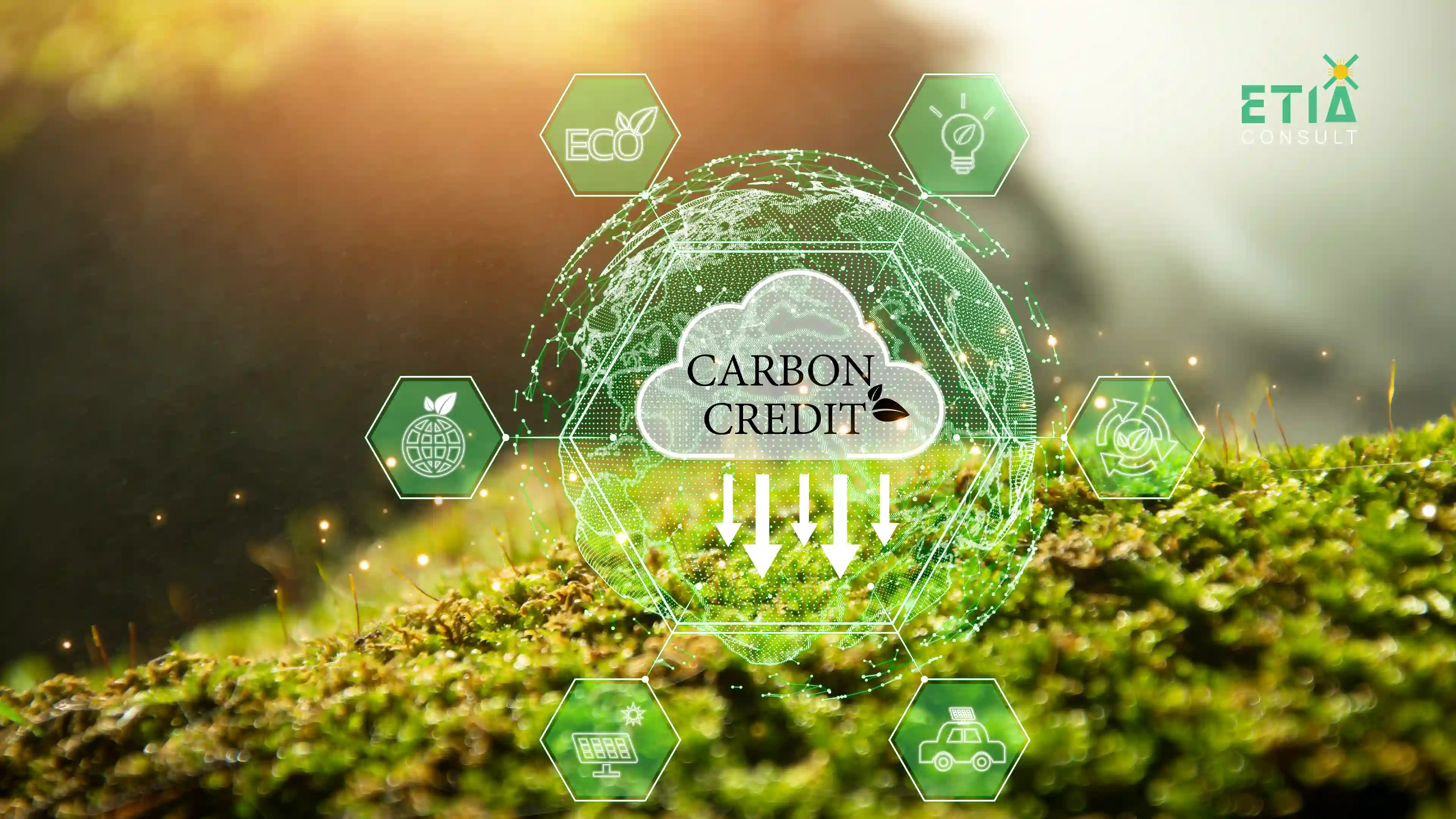
A carbon credit generally represents one metric ton of carbon dioxide or its equivalent that has been reduced, avoided, or removed from the atmosphere through verified environmental projects. Businesses purchasing verified credits contribute financially to activities that produce measurable environmental benefits.
Not all carbon credits are equal. Frameworks such as the Core Carbon Principles exist precisely because credit quality varies — buyers who skip verification risk paying for reductions that were never real, additional, or permanent.
Compliance Carbon Market and Corporate Decision-Making
Compliance Carbon Market enables organizations to emissions reduction allowances or carbon credits within established market systems. For business leaders, cap-and-trade system extends beyond environmental compliance — it becomes an important component of financial planning and operational strategy. Companies must evaluate several factors when making long-term decisions:
Where are future carbon prices heading, and how does that change the cost of doing business as usual?
How do production forecasts translate into future emissions exposure and allowance requirements?
Which energy investments would reduce emissions intensity fastest, and at what payback period?
What regulatory developments are likely, and how prepared is the business if compliance costs rise?
Organizations that successfully integrate carbon credit exchange into strategic planning often improve both environmental performance and financial resilience. As carbon pricing becomes more common worldwide — as tracked by the World Bank’s Carbon Pricing Dashboard — businesses exposed to high emissions may face increasing operational costs. Developing effective carbon management strategies allows organizations to anticipate future expenses, reduce financial uncertainty, and identify opportunities for investment in cleaner technologies, closely tied to the broader discipline of risk management and sustainable finance.
Emissions Reduction and Business Performance
Effective emissions management is often associated with operational excellence. Reducing emissions frequently involves improving energy efficiency, minimizing waste, optimizing transportation, and modernizing production systems — initiatives that can enhance productivity while lowering long-term operating expenses.
Energy Efficiency
Lower energy intensity per unit of output, directly reducing both emissions and operating costs.
Waste Minimization
Leaner processes that cut material loss alongside the emissions embedded in that waste.
Transportation Optimization
Smarter logistics and routing that reduce fuel consumption across the supply chain.
Production Modernization
Upgraded systems that lower emissions intensity while improving throughput and reliability.
Businesses that prioritize cutting emissions also strengthen relationships with customers, investors, employees, and regulatory authorities. Environmental performance increasingly influences purchasing decisions, investment strategies, and corporate partnerships — a shift explored further in corporate sustainability beyond compliance.
Organizations should avoid viewing minimizing emissions solely as a legal obligation. Reframed correctly, it becomes a catalyst for innovation, efficiency, and continuous improvement throughout the business — creating value beyond immediate environmental objectives.
Aligning climate markets with Sustainability Goals

Every organization develops environmental priorities based on its industry, operations, and stakeholder expectations. For many businesses, participation in climate markets supports broader sustainability goals that climate markets help make measurable:
Decarbonization efforts provide measurable frameworks that help organizations monitor progress toward these objectives, supported by the kind of structured measurement covered in data-driven ESG strategy and energy sustainability reporting. Modern consumers increasingly expect businesses to demonstrate measurable environmental progress rather than relying solely on broad sustainability claims — participating responsibly in carbon economy encourages organizations to establish clear reporting systems, independent verification, and transparent communication, in line with recognized ESG frameworks. This accountability strengthens public confidence while supporting long-term business credibility.
Decarbonization efforts and the Journey Toward Net Zero
Many organizations have announced ambitious climate commitments centered around achieving a net zero strategy. Net zero does not necessarily mean eliminating every emission immediately — instead, businesses work to reduce emissions as much as possible while balancing unavoidable emissions through credible carbon removal or offset initiatives. Carbon economy often support this transition by providing flexible mechanisms during different stages of decarbonization. However, organizations should prioritize direct decarbonization before relying extensively on purchased offsets.
Direct Reductions First
Prioritizing operational changes that permanently lower emissions before turning to offsets for what remains.
Long-Term Strategic Planning
Achieving net zero requires consistent investment, operational improvements, technological innovation, and careful measurement over time.
Carbon economy serve as one component within a broader climate strategy — not a complete solution. Businesses that integrate environmental planning into long-term corporate strategy are generally better positioned to adapt to future economic and regulatory developments.
The Expanding Role of Environmental Markets
The broader ecosystem of environmental markets continues to evolve as governments, financial institutions, and businesses seek practical solutions to climate challenges. As market standards improve, businesses gain access to higher-quality projects supported by stronger verification processes and greater transparency — increasing confidence among organizations seeking meaningful environmental investments.
Renewable Energy Investment
Growing capital flows into wind, solar, and other sustainable energy generation supported by carbon market revenue.
Carbon Capture Technologies
Emerging technologies that remove or store emissions directly, increasingly financed through credit markets, including projects tied to green hydrogen.
Sustainable Agriculture
Farming practices that reduce emissions and build soil carbon, generating credits alongside food production.
Ecosystem Restoration & Conservation
Projects that protect and rebuild natural carbon sinks, from wetlands to mangroves to forests.
Best Practices for Businesses Entering Carbon Offsets
Businesses considering participation should begin with a thorough understanding of their current emissions profile. Developing accurate emissions inventories provides a foundation for identifying reduction opportunities and establishing realistic climate objectives.
- Build an accurate emissions inventory — the foundation for every credible reduction target
- Evaluate credit credibility — check against recognized standards such as the Core Carbon Principles
- Verify project quality — confirm reductions are real, additional, and permanent before purchasing
- Communicate transparently — clear, honest reporting builds stakeholder trust more than marketing claims
Finally, businesses should communicate their environmental initiatives honestly and transparently. Clear reporting builds stakeholder trust and demonstrates genuine commitment to sustainability rather than short-term marketing efforts — the same principle behind working with an experienced ESG consultant to design a credible carbon strategy from the outset.
Climate responsibility is becoming an essential element of successful business strategy. As governments strengthen environmental policies and stakeholders place greater emphasis on sustainability, organizations that approach carbon offsets with transparency, careful planning, and long-term commitment are better equipped to navigate changing regulations while building lasting value for customers, investors, employees, and the communities they serve.
Frequently Asked Questions
Key questions on carbon exchange, carbon allowance trading, and net zero commitment
Ready to Turn carbon economy Into
a Business Advantage?
ETIAconsult helps organizations understand carbon market mechanics, evaluate credit quality, and build the emissions control and net zero strategies that protect both the planet and long-term business value.