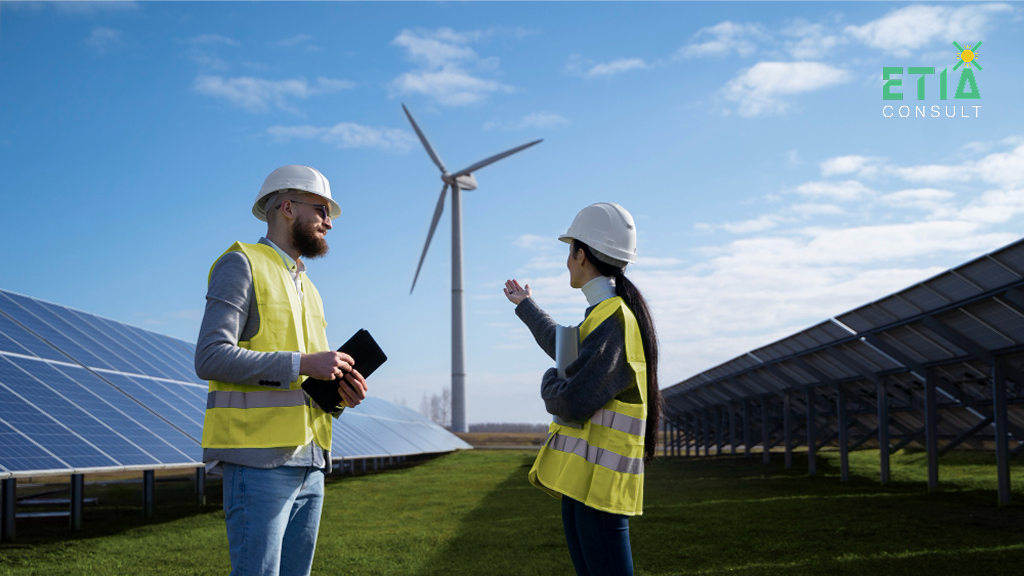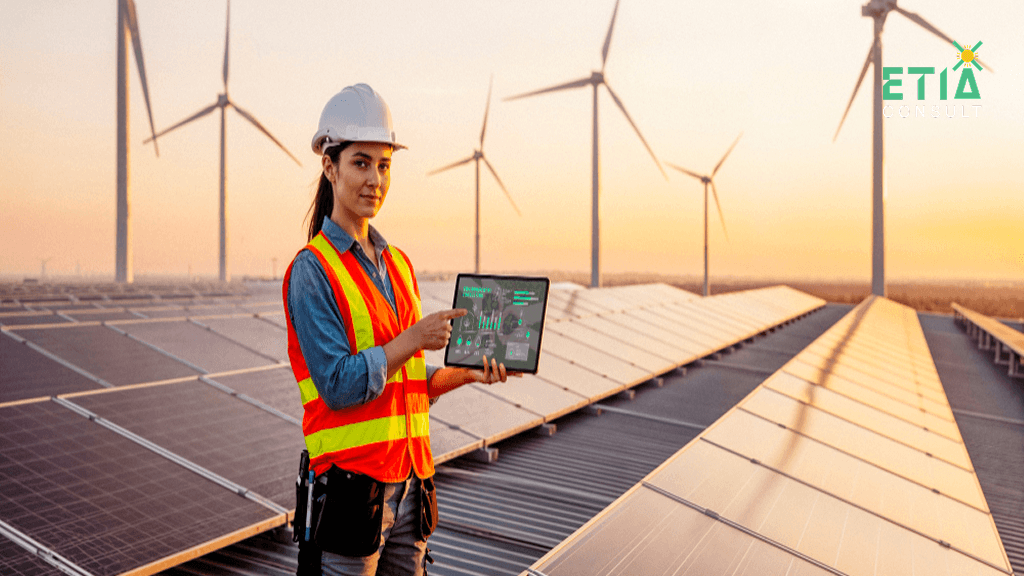

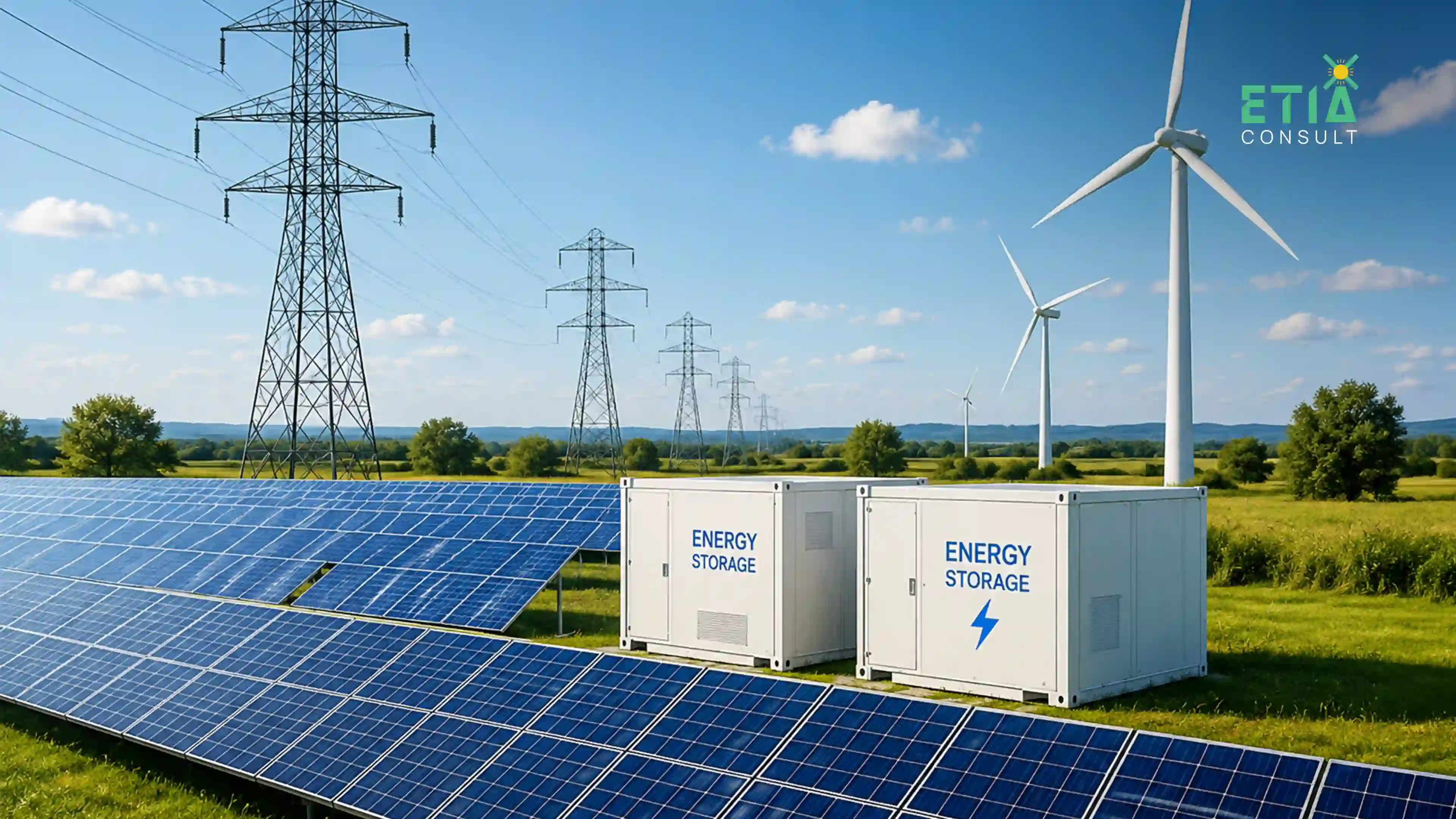

Virtual power plants are changing how energy trading organizations think about generation, flexibility, and market participation. Rather than relying on a single large asset, a VPP aggregates thousands of Energy assets, such as rooftop solar, batteries, electric vehicle chargers, and flexible industrial loads, into one coordinated platform. For trading organizations across the Netherlands and the EU, these systems turn scattered, small-scale flexibility into a tradable, dispatchable resource that supports smart grid technology, Flexible energy management, and grid optimization at scale.
Why Virtual Power Plants Matter for Energy Trading
Energy markets are shifting away from a small number of centralized power stations toward millions of small, connected assets. This model gives trading organizations a way to aggregate that flexibility and offer it into wholesale, balancing, and ancillary service markets. Instead of managing every distributed energy resource individually, a single coordinated platform can forecast, optimize, and dispatch an entire fleet as one position.
- Aggregating Energy assets into a single tradable capacity
- Unlocking new Flexible energy management revenue streams for asset owners
- Supporting grid optimization during periods of peak demand
- Improving renewable integration by balancing variable output
- Reducing reliance on fossil-fuel peaking plants
Instead of treating flexibility as a byproduct of individual assets, this approach turns it into a coordinated, dispatchable resource the grid can rely on.
Connected energy systems: The Building Blocks of a VPP
Every such platform is only as strong as the Power generation assets feeding it. These assets sit behind the meter or at the grid edge, and each one contributes a small piece of flexibility that becomes meaningful once aggregated at scale.
When these resources are connected through Intelligent grid systems, the platform can forecast their combined output, respond to price signals, and bid the aggregated flexibility into energy markets on behalf of every participant.
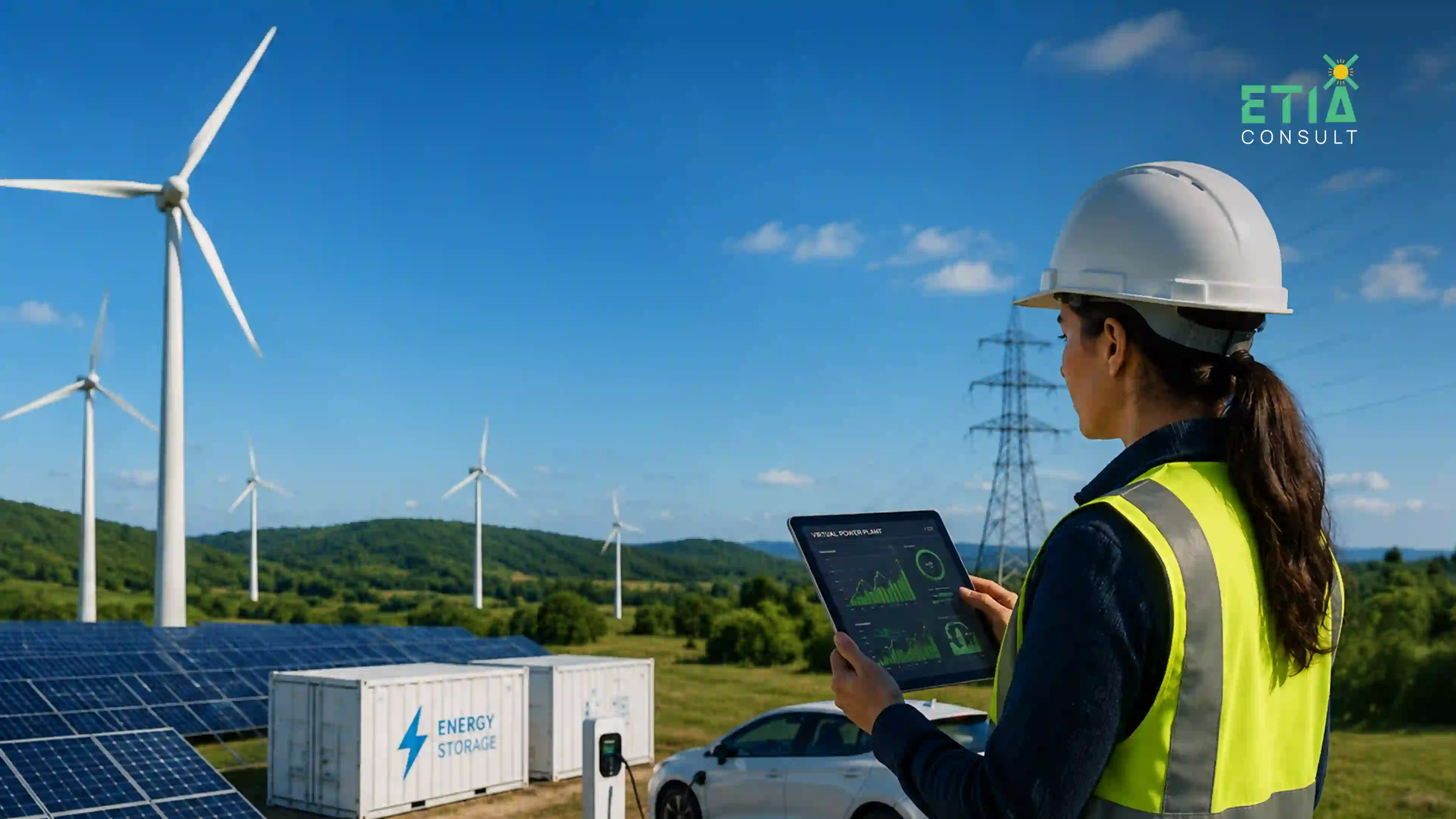
Smart Grid Technology and Grid Optimization
Advanced grid systems is the connective tissue that makes this coordination possible. Real-time metering, two-way communication, and automated control systems let operators see and act on Renewable energy systems as if they were a single power station.
In the Netherlands and across the EU, regulators are actively updating grid codes to accommodate this shift. The European Commission’s work on smart grids and smart metering outlines the interoperability and data-access rules that these platforms depend on to dispatch Renewable energy systems safely and efficiently.
Energy Flexible power systems as a Tradable Resource
Energy Flexible power systems, the ability to shift consumption or generation in time, is the core commodity this model sells. A well-managed program turns flexibility into a repeatable, measurable service rather than a one-off adjustment.
Effective flexibility programs help organizations:
- Shift load away from peak hours
- Monetize idle battery capacity
- Reduce curtailment of renewables
- Lower balancing costs
- Improve asset utilization
This model is only as valuable as the Energy balancing capability it can reliably deliver, hour after hour, across every connected distributed energy resource.
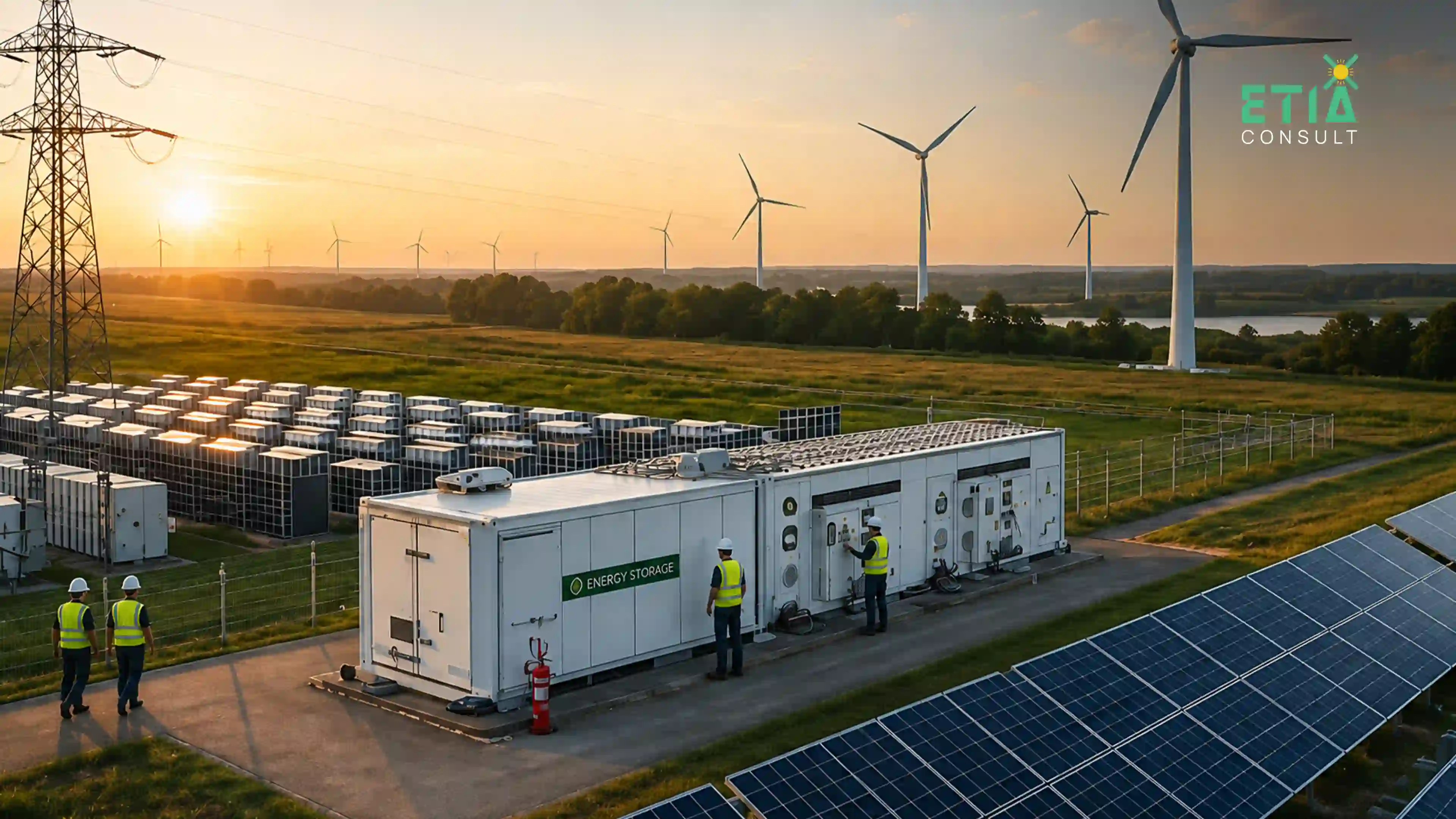
How Virtual Power Plants Accelerate Renewable Integration
Solar and wind generation is variable by nature, which makes renewable integration one of the biggest operational challenges facing grid operators today. These platforms help absorb that variability by pairing storage and flexible demand with renewable output.
Absorbing Surplus Generation
Storing excess solar and wind output instead of curtailing it.
Balancing Intermittency
Dispatching flexible resources when renewable output drops.
Reducing Curtailment
Keeping more renewable energy on the system rather than switched off.
Supporting Higher Renewable Shares
Giving grid operators the confidence to connect more clean capacity.
The International Energy Agency has highlighted the rapid growth of battery storage as a key enabler of this trend, underscoring how storage-backed systems are becoming central to modern power system planning. Read the latest analysis from the International Energy Agency’s electricity system tracking for a broader view of these trends.
Common Challenges in Scaling VPPs
While the opportunity is significant, building and operating one at scale is not without obstacles. Organizations that plan for these challenges early tend to scale faster and more reliably.
Recognizing these challenges early allows organizations to design flexibility programmes that are practical, scalable, and built to last.
Best Practices for Building an Effective VPP
Launching a successful program requires more than connecting devices to software. It depends on strong data foundations, clear market strategy, and continuous optimization.
Standardize Asset Data
Bring Grid-connected assets onto consistent formats and protocols before aggregation.
Invest in Forecasting
Accurate generation and demand forecasts reduce imbalance costs and improve dispatch precision.
Build for Interoperability
Use open, Advanced grid systems standards so new devices can be onboarded quickly.
Optimize for Multiple Markets
Stack energy flexibility revenue across wholesale, balancing, and ancillary service markets.
Monitor Performance Continuously
Track dispatch accuracy and grid optimization outcomes to improve the platform over time.
These practices help organizations turn a pilot project into a durable trading capability. ETIAconsult supports energy trading organizations across the Netherlands and the EU through technology integration and risk management services built around reliable data and Modern power grid solutions.
Frequently Asked Questions
Key questions on VPPs and Modern power grid solutions
Make Flexibility Your
Strategic Trading Advantage
ETIAconsult helps energy trading organizations in the Netherlands and across the EU design and integrate flexibility strategies built on trusted data and Intelligent energy networks.