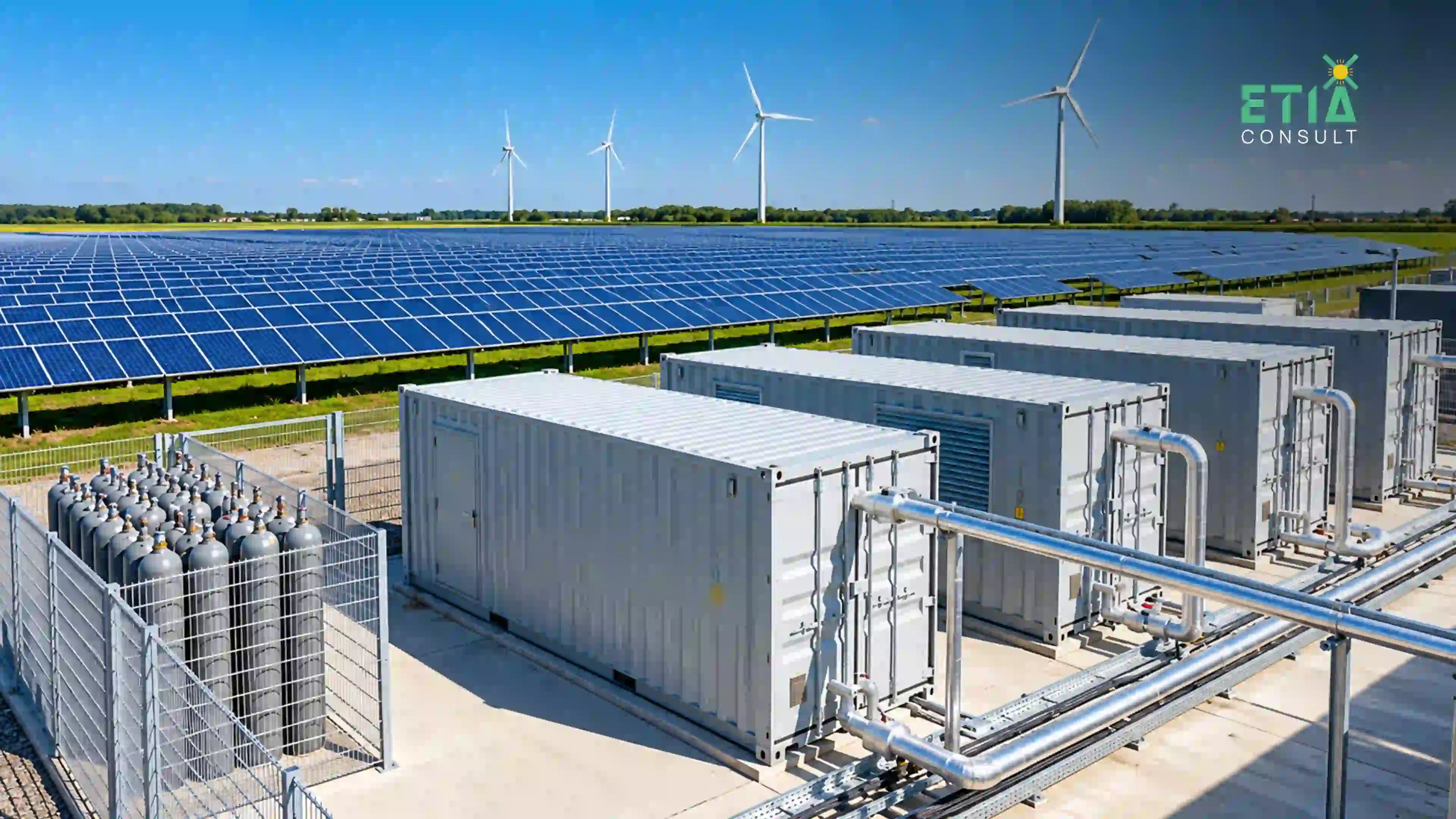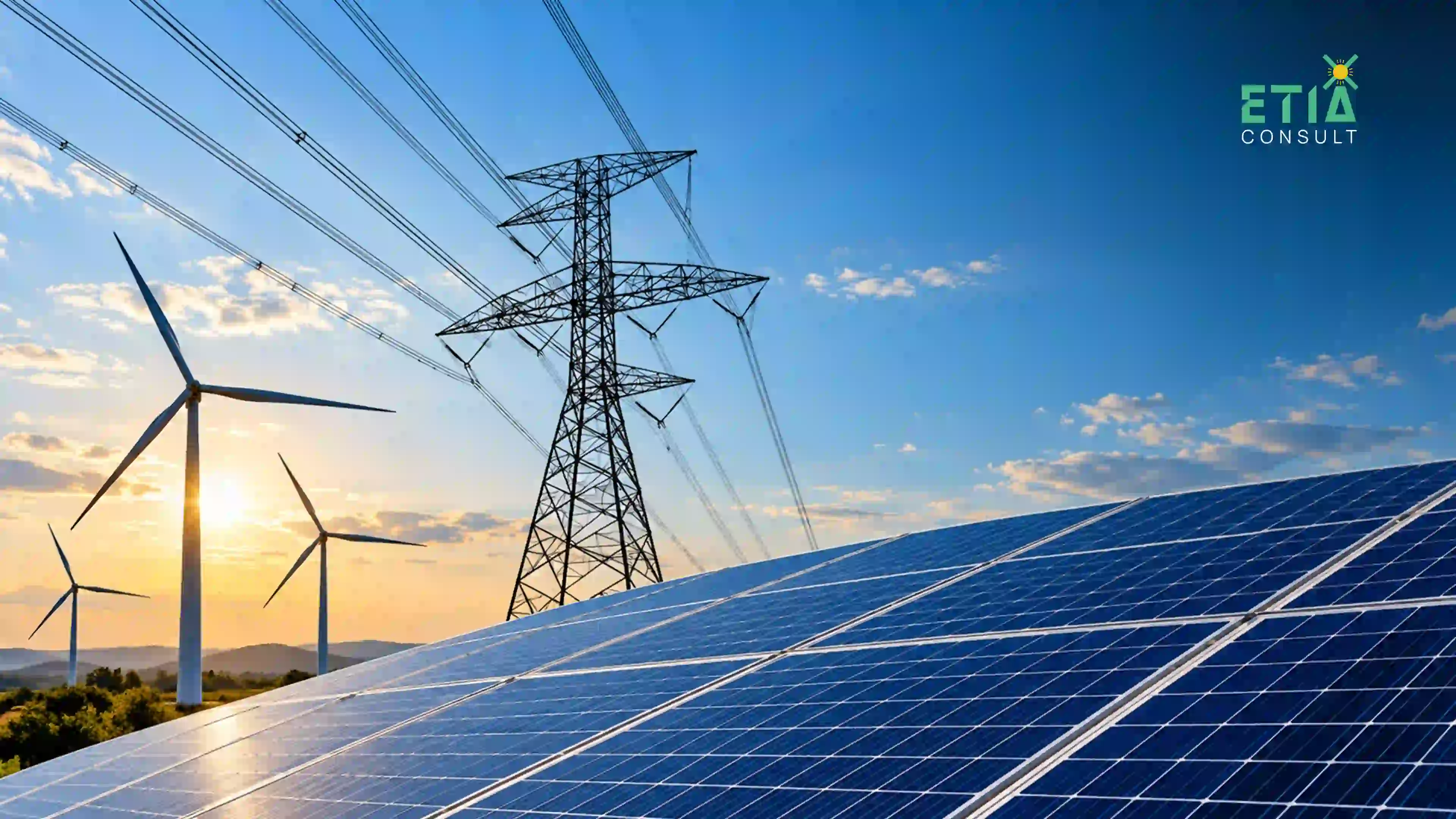



Energy transformation consulting is becoming essential as energy businesses work to improve efficiency, adopt new technologies, respond to changing regulations, manage costs, and prepare for a more digital, decentralised energy landscape. None of these priorities sits in isolation. A digital platform may need to connect with legacy infrastructure, a modernisation programme may touch several departments, and a new operating model may require changes in technology, process, and people all at once, while the business keeps running. ETIAconsult brings together consulting expertise and structured project delivery to turn these complicated requirements into practical transformation programmes.
Why Energy Transformation Projects Are So Complex
Energy companies operate where technical, commercial, regulatory, and operational considerations constantly overlap. A transformation initiative might touch several of the following at once, and the real difficulty usually comes from making them work together rather than from any single item on its own.
- Modernising legacy systems
- Integrating digital technologies
- Improving operational processes
- Managing large data volumes
- Supporting renewable integration
- Improving stakeholder experience
- Developing new business models
- Meeting regulatory requirements
A successful transformation requires more than implementing technology. It requires a clear understanding of how the organisation operates as a whole.
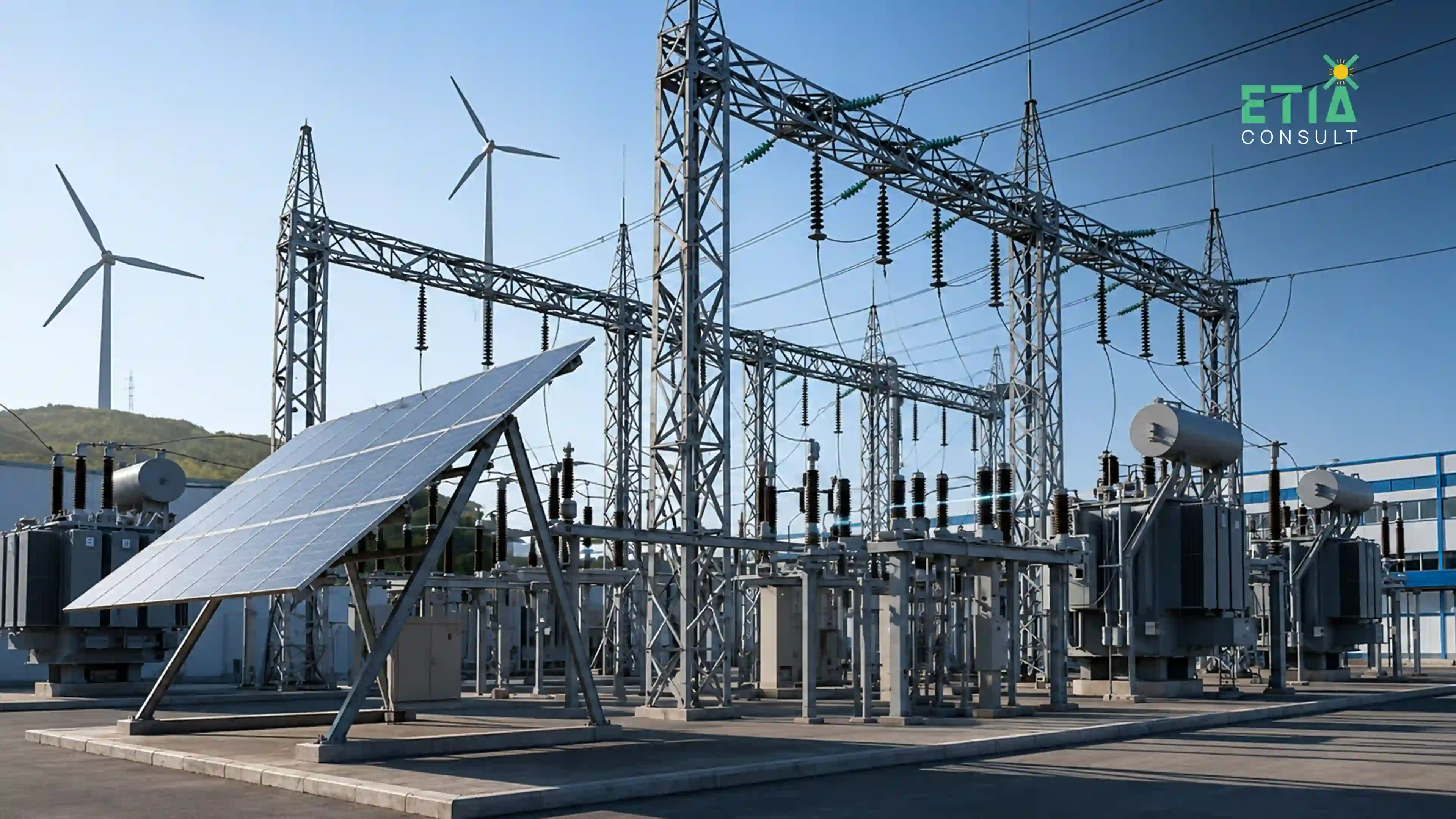
Bringing Structure to Digital Modernization
Digital modernization is often necessary when existing systems no longer support the speed, flexibility, or scalability an organisation needs. However, replacing technology simply because it is old can create unnecessary complexity. A more considered approach begins by understanding four things before any system is touched.
What Already Works
Not every existing system needs replacing — some legacy capabilities still provide real value.
What Creates Friction
Manual processes, disconnected systems, and duplicate data reveal where modernisation has the greatest impact.
What the Business Needs Next
Technology decisions should support future objectives, not just solve today’s problems.
How Changes Will Be Implemented
Even a technically strong solution can struggle if implementation is poorly planned.
This structured approach helps organisations avoid treating modernisation as a technology shopping exercise, and connects each decision back to a wider business case.
The Value of Consulting Expertise
Transformation projects involve stakeholders with very different priorities. Business leaders focus on investment and growth, operations teams prioritise reliability, technology teams focus on architecture and integration, and finance teams watch costs and returns. Bringing these perspectives together is where outside consulting expertise adds the most value.
This creates a common direction before large-scale implementation begins, and helps reduce the risk of investing heavily in solutions that don’t address the organisation’s most important challenges.
Turning Strategy Into Project Delivery
One of the biggest differences between a transformation strategy and a successful transformation is execution. A roadmap may look excellent on paper, but implementation raises practical questions that strategy alone doesn’t answer.
Effective delivery addresses these questions early. Rather than treating strategy and implementation as separate activities, organisations can connect strategic objectives to clearly defined programmes, responsibilities, milestones, and outcomes — turning transformation into something teams can actually execute, not just a document in a presentation folder.
Managing Business Transformation Alongside Technology
Technology can enable change, but it rarely creates transformation by itself. A new platform may offer better capabilities, but employees still need to understand new processes, teams may need training, responsibilities may change, and existing workflows may need to be redesigned. That means attention has to go to both technical and organisational factors together.
- Process redesign
- Organisational alignment
- Change management
- Skills and training
- Governance
- Performance measurement
- Technology adoption
By considering people, process, and technology together, organisations improve the chances that new solutions will actually be used effectively — not just installed.

Connecting Data, Technology, and Decision-Making
Energy organisations generate enormous amounts of operational and commercial data. The challenge isn’t collecting more of it — it’s making it useful. Transformation initiatives create real opportunities to improve the following, provided each one is tied back to a business outcome.
Improving data quality is most valuable when it enables better forecasting, more efficient operations, stronger reporting, or better customer decisions. This is where structured energy consulting services can help organisations connect technology investment with practical business needs — and where broader initiatives such as the European Commission’s EU action plan on digitalising the energy system point to where the sector is heading.
Why a Structured Transformation Roadmap Matters
Large programmes quickly become overwhelming when every potential improvement is treated as equally urgent. A structured roadmap helps organisations set priorities by separating initiatives into three practical tiers.
Immediate Priorities
Projects addressing critical operational, regulatory, or technology issues.
Medium-Term Improvements
Initiatives that build stronger capabilities and improve efficiency.
Long-Term Transformation
Larger programmes designed to support future business models and strategic growth.
This approach makes transformation more manageable while still letting organisations demonstrate progress along the way, rather than waiting years for a single “big bang” result.
Creating a More Practical Transformation Journey
Successful transformation is rarely achieved through one dramatic change. It usually happens through a series of connected decisions and carefully managed improvements. ETIAconsult’s role in this context is to bring clarity to complex challenges, connect strategy with execution, and create a structured path from current capabilities towards future objectives. The value lies not simply in recommending technology, but in understanding how technology fits into the organisation’s wider transformation journey.
Key Takeaways
- Energy transformation projects involve technology, processes, people, data, and business strategy
- Digital modernization should focus on business needs, not technology replacement alone
- Consulting expertise helps align stakeholders and establish transformation priorities
- Strong project delivery turns strategic plans into practical implementation programmes
- Business transformation requires attention to people and process alongside technology
- A structured roadmap makes complex programmes easier to manage and measure
Through energy transformation consulting, organisations can assess their current position, identify priorities, set realistic roadmaps, and connect digital initiatives with broader business objectives. The best transformation programme isn’t the one with the most technology — it’s the one that leaves the organisation better equipped to operate, adapt, and grow. ETIAconsult supports this journey through technology integration and risk management services built around practical, measurable outcomes.
Frequently Asked Questions
Common questions on energy transformation and consulting support
Turn Complex Programmes Into
Practical Transformation Journeys
ETIAconsult helps energy businesses in the Netherlands and across the EU connect strategy, technology, and people into one structured, achievable roadmap.