

Green hydrogens is attracting increasing attention as the global energy industry enters a period of significant change. Governments, businesses, and investors are looking for ways to reduce carbon emissions while continuing to meet growing energy demand. Renewable power already plays a central role in this shift, but electricity alone cannot easily address every part of the energy system — heavy industry, long-distance transport, shipping, and chemicals are among the sectors where hydrogen could have an important role. At the same time, developing a functioning hydrogen economy presents substantial challenges around cost, infrastructure, and regulation that businesses need to understand before committing to it.
What Is Green hydrogens?
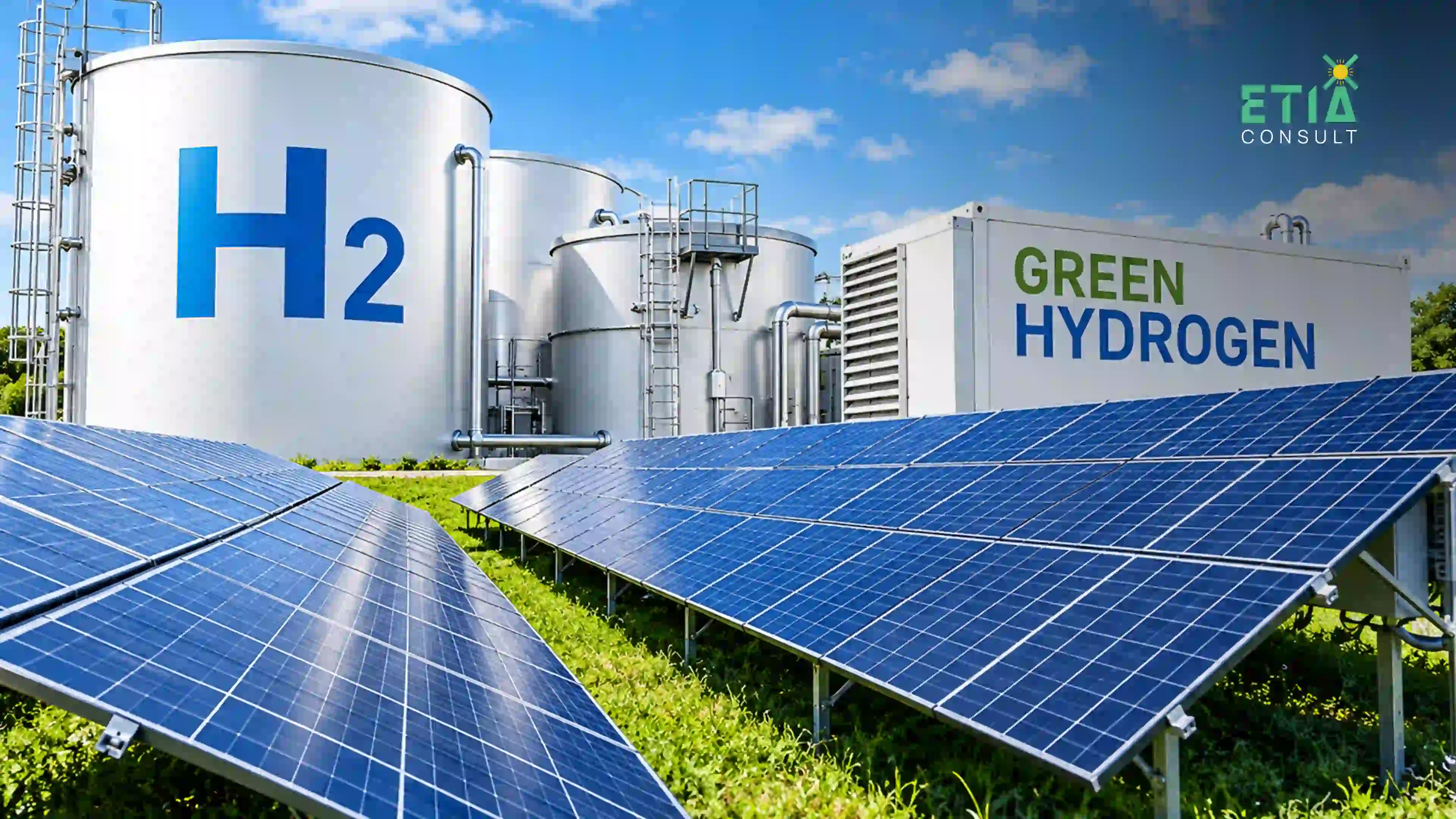
It is hydrogen produced through electrolysis, a process that uses electricity to split water into hydrogen and oxygen. When the electricity comes from renewable sources such as solar or wind, the resulting hydrogen can be produced with very low direct carbon emissions.
- Renewable electricity powers electrolyser
- Water separated into hydrogen & oxygen
- Hydrogen collected for storage & use
- Oxygen produced as secondary output
The environmental benefits depend partly on the electricity used. The industry increasingly uses several classification terms, and these labels can describe quite different production pathways that shouldn’t automatically be treated as interchangeable.
The Role of Hydrogen in the Energy Transition
This broader shift is moving many applications from fossil fuels towards renewable electricity. However, some sectors are challenging to electrify directly. Steel production, chemical manufacturing, shipping, aviation fuels, and certain industrial processes may require energy-dense fuels or hydrogen-based feedstocks — used as an industrial feedstock, converted into other fuels and chemicals, or potentially as an energy carrier.
Hydrogen shouldn’t be viewed as a universal replacement for fossil fuels, though. Where direct electrification is practical and efficient, using renewable electricity directly may require less energy than converting it into hydrogen first. The strongest opportunities are therefore likely to emerge in applications where hydrogen offers a genuine practical advantage.
Supporting a Growing Hydrogen Economy
A hydrogen economy requires much more than producing hydrogen. It involves an interconnected system covering generation, storage, transportation, distribution, infrastructure, regulation, and end-use applications — developing it could create opportunities across multiple parts of the energy industry.
This broader ecosystem could encourage collaboration between renewable energy companies, industrial manufacturers, utilities, transport providers, and technology developers.
Opportunities for Industrial Decarbonisation
One of the strongest arguments for this technology is its potential contribution to industrial decarbonisation. Certain industries depend on hydrogen today, particularly chemicals and refining — replacing hydrogen produced from fossil fuels with a cleaner alternative could reduce emissions tied to existing demand. Steel is another important example, where hydrogen can potentially serve as a reducing agent in direct reduced iron production, offering an alternative to conventional coal-intensive processes.
- Ammonia and methanol production
- High-temperature industrial processes
- Refining applications
- Synthetic fuel production
Hydrogen Production and Renewable Power
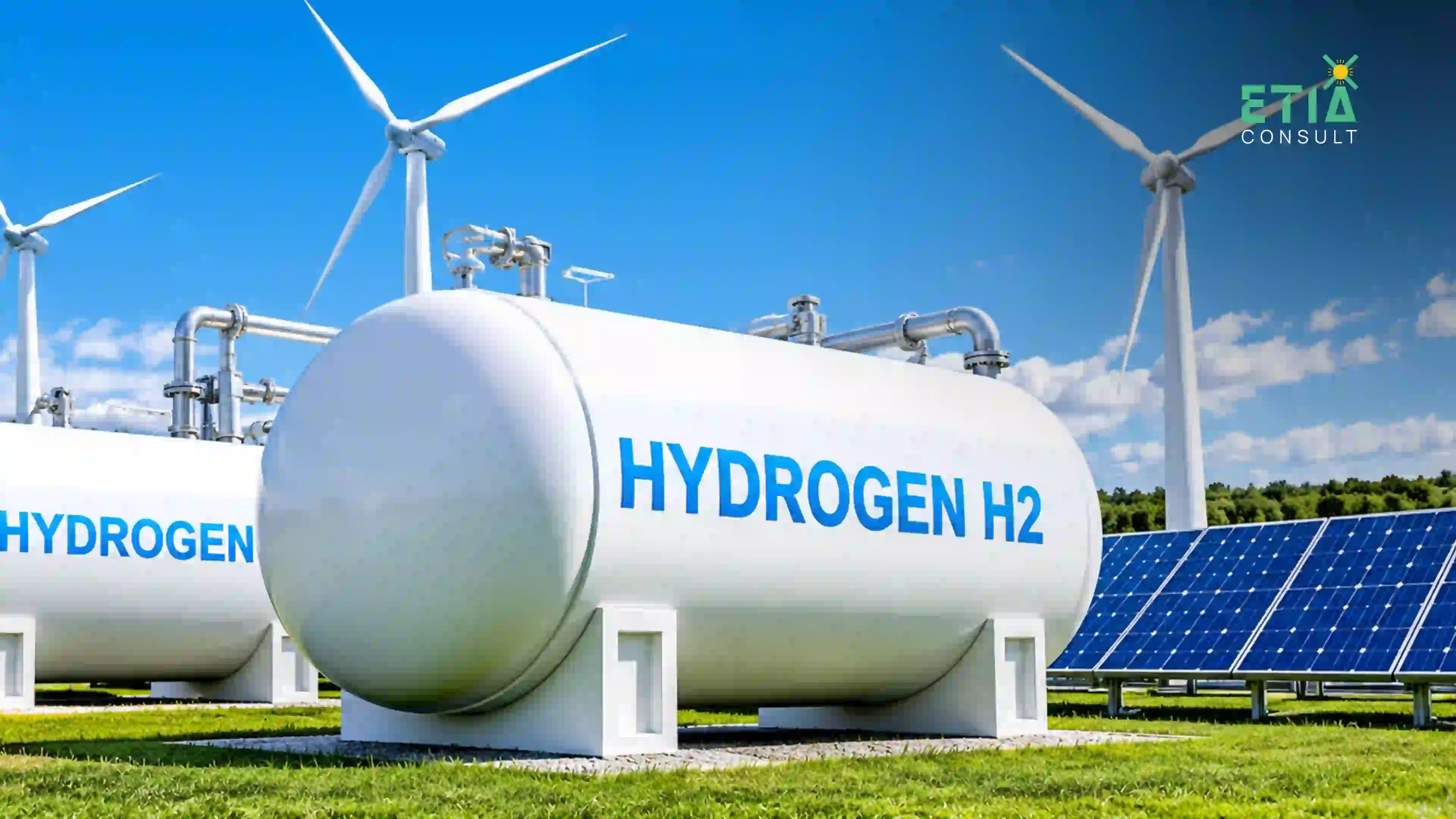
The growth of this technology depends closely on renewable energy. Electrolysers require substantial amounts of electricity, meaning large-scale production will need access to reliable and competitively priced renewable power. Countries with strong solar and wind resources may have an advantage, potentially producing hydrogen for domestic industries or developing export markets.
This also raises an important planning question: should new renewable capacity be used for direct electricity consumption or hydrogen production? The answer depends on the application, energy prices, grid conditions, and the value of hydrogen to the end user — hydrogen projects need to be considered as part of the wider energy system rather than as standalone facilities.
Renewable Hydrogen, Storage, and Mobility
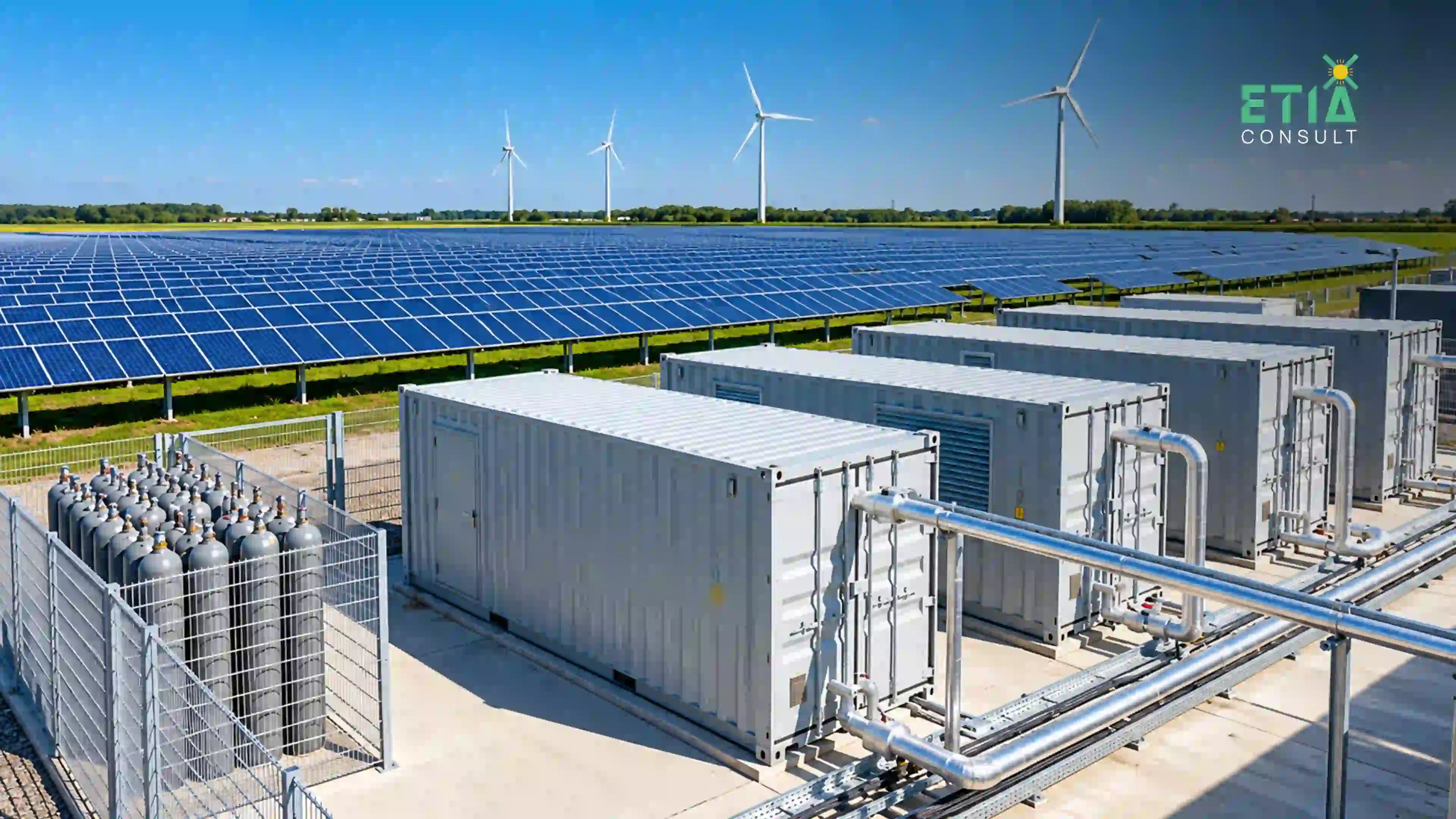
It can provide a way of storing and using renewable energy in forms that electricity infrastructure cannot always provide efficiently. Wind and solar generation fluctuates with the weather, and this process can potentially absorb available electricity during periods of high generation, storing it for later use — though the efficiency losses involved in producing, compressing, transporting, and converting hydrogen mean it should be deployed where its specific characteristics offer genuine value.
Battery-electric vehicles remain highly competitive in most passenger-car applications, meaning hydrogen is more likely to find its place in specific transport segments than become the default solution for every vehicle.
Storage, Cost, and Infrastructure Challenges
Hydrogen has a low volumetric energy density compared with conventional fuels, which makes storage and transportation more complex — it can be compressed, liquefied, or converted into other substances such as ammonia, each involving different costs and infrastructure requirements. In some cases, producing hydrogen close to where it will be consumed is more practical than transporting it over long distances.
Hydrogen production requires water for electrolysis. Projects should assess local water availability and the complete environmental footprint rather than assuming it’s automatically suitable everywhere.
Regulation and Certification
As the hydrogen market develops, clear standards are becoming increasingly important. Customers and investors need to understand how hydrogen was produced and what its associated emissions are — certification systems can help establish confidence in environmental claims and distinguish between different production pathways.
Policy frameworks can also influence project economics through incentives, emissions standards, renewable energy requirements, and infrastructure rules. In the EU, the European Commission’s hydrogen strategy sets out binding targets for renewable hydrogen uptake, while the IEA’s Global Hydrogen Review tracks production and demand worldwide. Because regulations are developing at different speeds across markets, companies considering hydrogen investments should monitor policy changes carefully.
Building a Practical Path Forward
The long-term potential of this technology will depend on where it delivers meaningful value. Businesses can begin by identifying applications where hydrogen is technically appropriate and where alternatives are limited.
Assess Existing Demand
Map current hydrogen use and hard-to-abate operations.
Evaluate Renewable Availability
Compare hydrogen against direct electrification options.
Review Infrastructure & Policy
Understand requirements, incentives, and regulatory timing.
Build Realistic Scenarios
Develop credible demand and cost projections before committing.
This approach can help companies avoid investing simply because hydrogen is a popular technology. The strongest projects are likely to be those supported by clear demand, appropriate infrastructure, competitive renewable resources, and credible economics. ETIAconsult supports this work through risk management and technology integration services built around realistic, well-tested project planning.
The Future of the Hydrogen Industry
The hydrogen industry is still developing, and its final role in the global energy system isn’t yet fully established. Some projects may succeed quickly, while others could face delays because of high costs, infrastructure constraints, or uncertain demand — normal for an emerging energy market. What appears increasingly clear is that hydrogen can complement renewable electricity where direct electrification is difficult, and its value may be greatest when applied selectively rather than universally.
This technology has the potential to become an important component of the energy transition, particularly in industries and applications that are difficult to electrify directly. Its ability to connect renewable electricity with industrial processes, fuels, and energy storage creates opportunities across the wider energy sector — but production still faces genuine challenges around cost, infrastructure, water availability, and regulatory uncertainty. With responsible investment, technological progress, supportive policy, and careful project planning, renewable hydrogen can become a valuable part of a cleaner and more flexible energy system.
Frequently Asked Questions
Common questions on hydrogen and its role in a cleaner future
Evaluate Where Hydrogen
Fits Your Energy Strategy
ETIAconsult helps energy businesses in the Netherlands and across the EU assess hydrogen opportunities against real demand, infrastructure, and economics.