

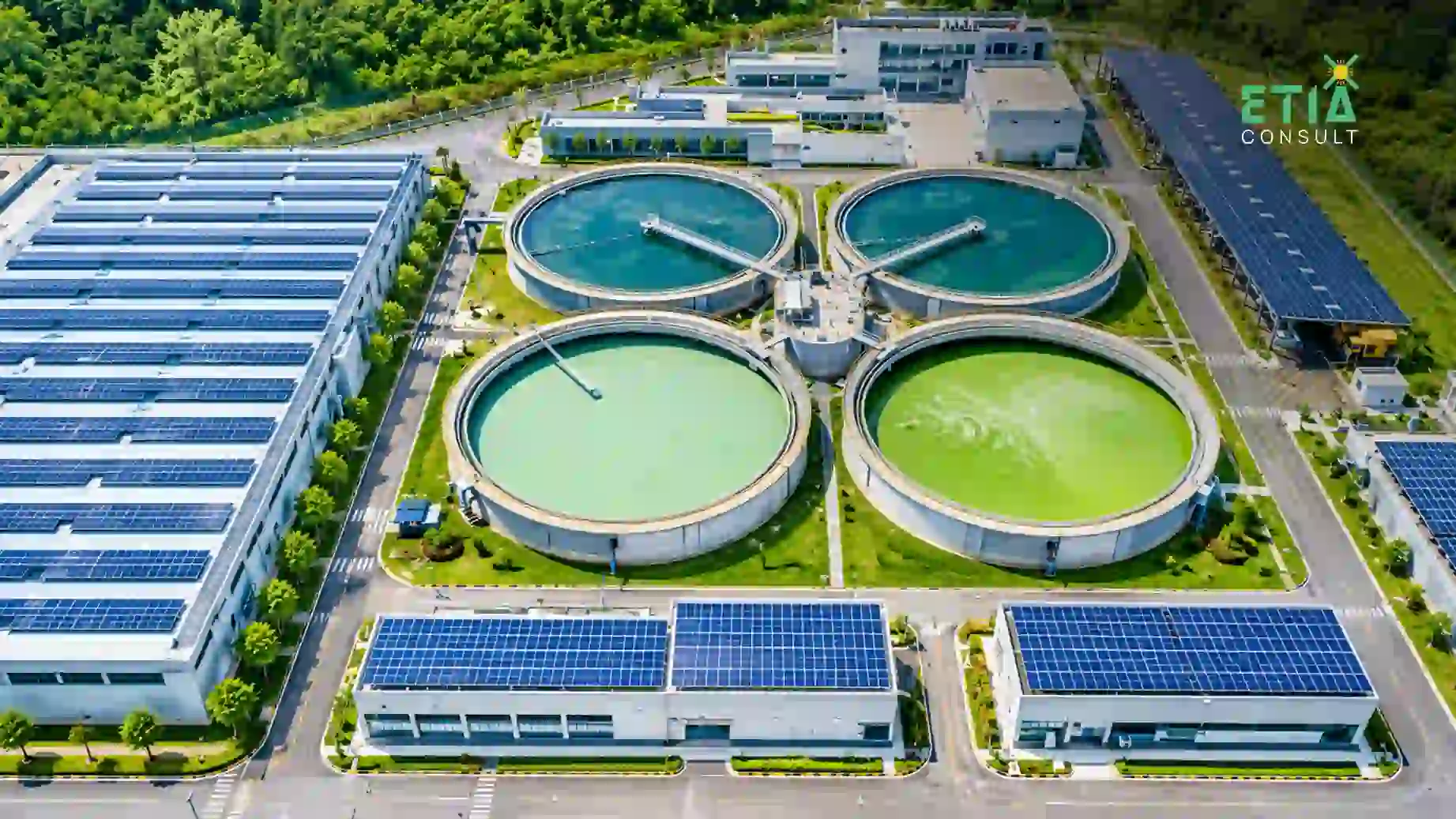

Energy and industrial businesses play an important role in economic growth, infrastructure development, and everyday life. However, these sectors also consume significant quantities of raw materials, water, and energy while generating waste throughout their operations.
As resource costs rise and environmental expectations become more demanding, businesses are looking for practical ways to operate more efficiently without compromising productivity.
This is where circular economy strategies can make a meaningful difference. Instead of following the traditional model of extracting resources, manufacturing products, and disposing of waste, a circular approach focuses on keeping materials in use for as long as possible. It encourages businesses to design out waste, recover valuable resources, and find productive uses for materials that would otherwise be discarded.
For energy providers, manufacturers, and industrial operators, this approach offers opportunities to improve resource efficiency, manage costs, strengthen supply chains, and support long-term industrial sustainability. The key is to move beyond isolated recycling initiatives and integrate circular thinking into everyday business decisions.
What Are Circular Economy Strategies?
Circular economy strategies are practical approaches that help businesses reduce resource consumption, extend the useful life of materials, and minimise waste. They focus on preserving the value of products, components, and resources rather than treating them as disposable after a single use.
In a traditional linear economy, businesses generally follow a take-make-dispose model. Raw materials are extracted, converted into products, used, and eventually discarded. This can lead to unnecessary resource consumption, higher waste management costs, and greater dependence on newly extracted materials.
A circular economy takes a different direction. It prioritises prevention, reuse, repair, refurbishment, remanufacturing, and material recovery wherever technically and economically appropriate. The Ellen MacArthur Foundation frames the idea around designing out waste, keeping products and materials circulating, and regenerating nature.
For industrial and energy businesses, these strategies may include recovering waste heat, reusing process water, refurbishing equipment, recycling production materials, and developing partnerships that allow one company’s by-products to become another company’s useful inputs.
The objective is not simply to produce less waste. It is to create a system in which resources deliver greater value throughout their lifecycle.
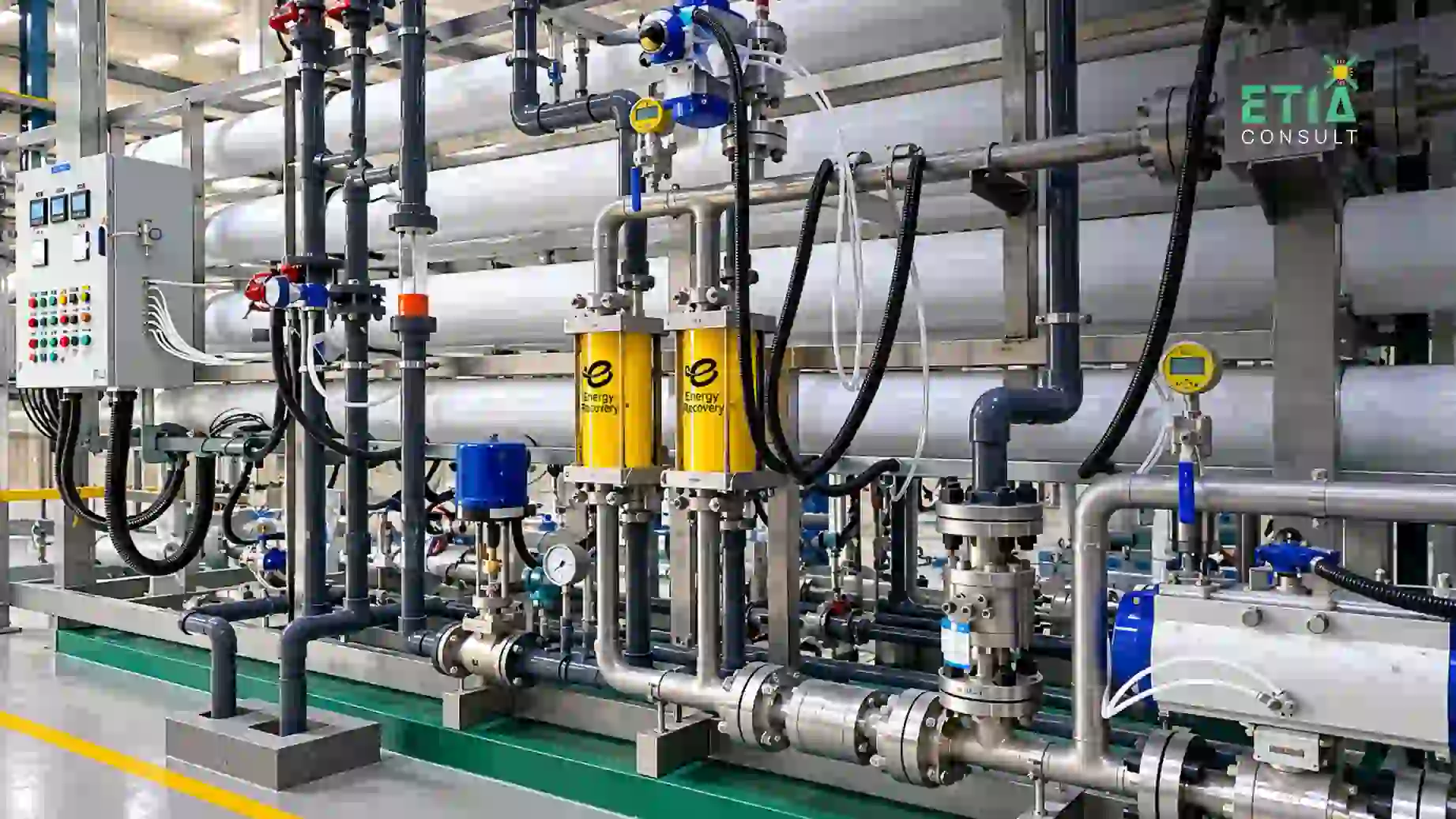
Why Circularity Matters for Energy and Industrial Businesses
Industrial operations depend on reliable access to materials, energy, and infrastructure. Disruptions in supply chains, fluctuations in commodity prices, and increasing waste disposal requirements can affect operating costs and business continuity.
Circular economy strategies provide a structured way to address these challenges while supporting environmental objectives. There is plenty of room to grow: according to the EU’s circularity data for 2024, 12.2% of materials used in the EU came from recycled sources, with the Netherlands recording the highest rate at 32.7%.
Improving Resource Efficiency
Resource efficiency means achieving more useful output from the materials, energy, and water a business consumes. Even small improvements across large industrial operations can have a meaningful impact.
For example, a manufacturing facility may identify excessive water consumption during cleaning processes or material losses during production. By improving equipment settings, monitoring consumption, and reusing suitable resources, the facility can reduce unnecessary demand.
Businesses can improve resource efficiency by:
- Monitoring material, water, and energy consumption across production stages
- Identifying processes that generate avoidable losses
- Maintaining equipment to prevent leaks, breakdowns, and inefficient operation
- Reusing suitable process water after appropriate treatment
- Reviewing product designs to reduce unnecessary material requirements
These measures can help businesses lower operating expenses while making better use of existing resources.
Reducing Industrial Waste
Knowing how to reduce industrial waste is one of the most practical starting points for circularity. Industrial waste may include scrap metal, packaging, damaged components, process residues, wastewater, and materials left over from production.
Rather than treating all these outputs as waste, businesses can assess whether they can be prevented, reused, recycled, or recovered safely. A manufacturing company, for instance, may redesign its cutting process to reduce offcuts. Remaining material could then be segregated and returned to production or supplied to a suitable recycling partner.
Effective industrial waste management requires more than installing recycling bins. It involves understanding where waste originates, why it occurs, and whether the underlying process can be improved, the same discipline behind business process optimization.
Businesses should distinguish between waste prevention and the recycling of industrial waste. Preventing unnecessary material use generally avoids more resource consumption than managing waste after it has already been created.
Supporting Industrial Sustainability
Industrial sustainability involves balancing operational performance with responsible resource use and environmental management. Circularity contributes to this goal by reducing avoidable material losses and encouraging longer product life cycles.
Companies that incorporate circular economy principles into maintenance, procurement, manufacturing, and product development may become less dependent on virgin materials. They may also improve their ability to respond to changing environmental requirements and customer expectations, which supports wider enterprise decarbonization goals.
However, sustainability improvements should be measured rather than assumed. Recycling, for example, can require substantial energy or transportation, depending on the material and process involved. Businesses should assess the full lifecycle impact of their decisions to ensure that an apparent improvement does not create a different environmental problem elsewhere.
Key Circular Economy Strategies for Industrial Operations
A successful circular approach combines several complementary practices. The most suitable options depend on the industry’s processes, available infrastructure, product requirements, and financial priorities.
Recovering and Reusing Waste Heat
Energy-intensive facilities often generate heat through furnaces, boilers, compressors, and other industrial processes. Some of this heat may be suitable for recovery rather than being released unused.
A waste heat recovery system can capture thermal energy and redirect it towards heating, preheating, or other appropriate applications. In certain facilities, recovered heat may also support electricity generation, depending on temperature levels and technical feasibility.
Before investing, businesses should assess heat availability, operating schedules, equipment compatibility, installation costs, and expected energy savings. Recovering energy already present within a process can reduce demand for additional fuel or electricity and improve overall operational efficiency.
Reusing Materials and Industrial By-Products
Many industrial processes generate by-products that retain economic value. Depending on their characteristics and applicable regulations, these materials may be suitable for reuse within the same facility or by another business.
For example, clean metal scrap can often be returned to recycling streams, while certain production residues may serve as inputs for other industrial applications. Excess packaging may also be reusable when hygiene, safety, and quality requirements permit.
Businesses should establish clear procedures for testing, segregating, storing, and handling recovered materials. Contamination can reduce material value and make reuse unsafe or technically unsuitable. A well-managed recovery programme can reduce disposal requirements while creating value from materials that would otherwise be lost.
Adopting Circular Business Models
Circular business models change how companies design, sell, maintain, and recover products. Instead of focusing exclusively on selling new equipment or materials, businesses can explore ways to retain value throughout the product life cycle. Examples include:
- Product refurbishment: restoring used equipment to suitable operating condition
- Remanufacturing: rebuilding components to meet defined performance and quality requirements
- Repair services: extending the useful life of equipment through maintenance and replacement parts
- Leasing and equipment-as-a-service: providing access to equipment while retaining responsibility for its maintenance or recovery
- Take-back programmes: collecting used products or components for refurbishment, reuse, or recycling
These models can be particularly relevant to industrial machinery, electrical equipment, batteries, and certain energy technologies. Their success depends on product durability, customer needs, reverse logistics, service capabilities, and a clear commercial case. Businesses should select models that fit their operations rather than adopting circular concepts simply because they are popular.
Improving Material Recovery
Material recovery helps businesses extract useful materials from production waste, end-of-life equipment, and discarded products. It can reduce reliance on virgin resources and support more resilient supply chains.
Industrial facilities can begin by identifying high-volume waste streams and determining which contain recoverable materials. They can then work with qualified recycling and recovery partners to establish collection and processing arrangements.
In the energy sector, end-of-life solar panels, batteries, cables, and electrical equipment may contain materials worth recovering. However, recovery methods vary by technology, and specialised handling may be necessary to address safety and environmental risks.
Businesses should prioritise traceability, appropriate processing standards, and compliance with relevant waste management requirements. Material recovery is most effective when supported by reliable information about material composition and end-of-life handling, which is exactly what a digital product passport is designed to provide.
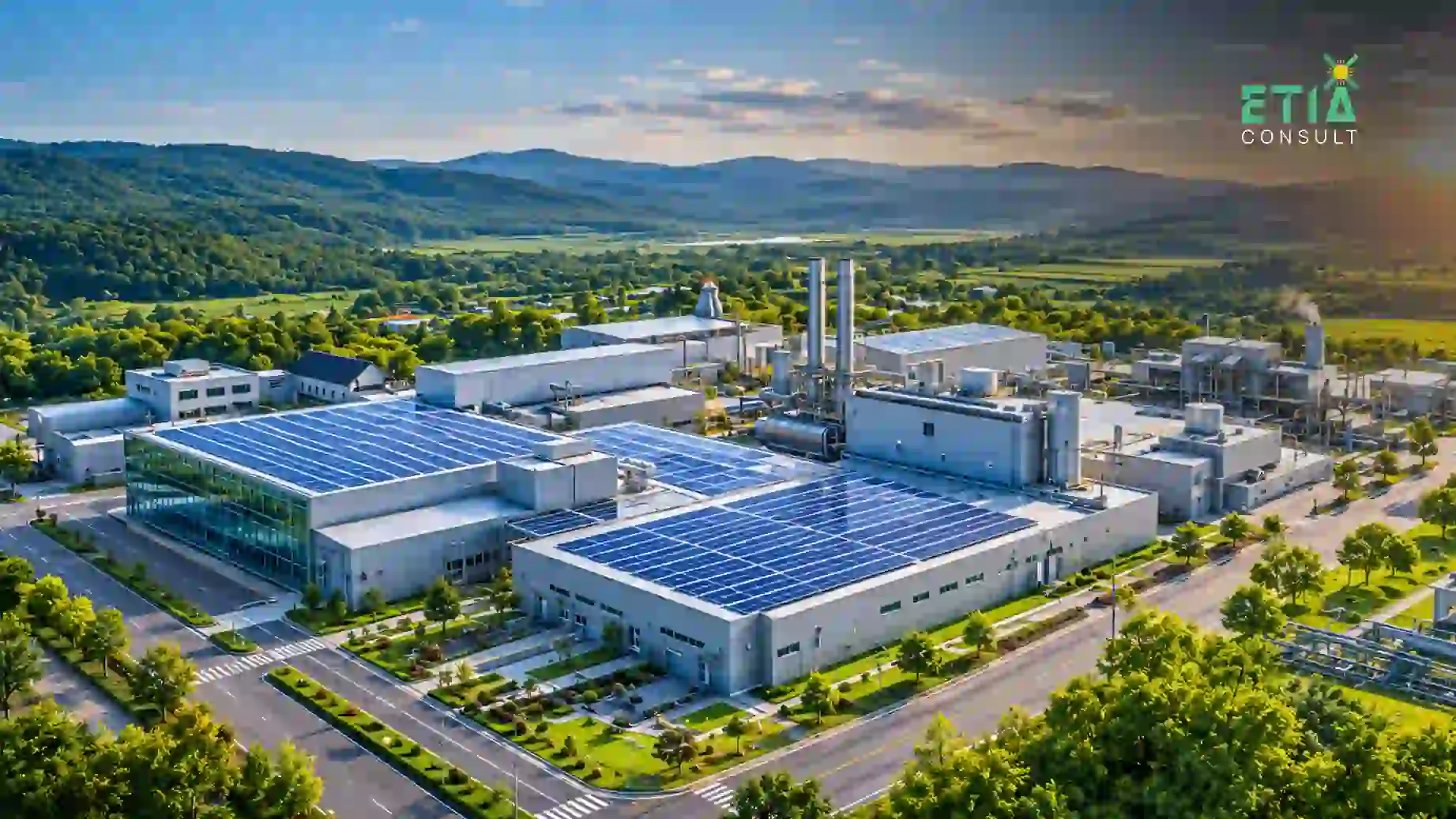
The Role of Technology in Circular Operations
Technology can make circular economy strategies easier to implement, monitor, and improve. Industrial businesses increasingly use digital tools to understand how resources move through their facilities and supply chains.
Sensors and industrial monitoring systems can track energy and water consumption, identify unusual losses, and support predictive maintenance. This helps teams detect inefficiencies before they lead to equipment failure or excessive resource use.
Data analytics can also reveal patterns in scrap generation, material demand, and production performance. With reliable information, managers can compare facilities, identify improvement opportunities, and evaluate whether circular initiatives are delivering measurable results.
Digital product records and equipment tracking systems can support maintenance, refurbishment, and end-of-life recovery by making relevant product information easier to access.
Nevertheless, technology alone cannot create a circular operation. Reliable data, employee training, clear responsibilities, and practical processes are equally important. Businesses should select tools that solve defined operational problems and deliver measurable benefits, an approach at the heart of our technology integration work.
Building Circular Supply Chains
Effective circular economy strategies extend beyond a company’s own premises. Suppliers, customers, logistics providers, recyclers, and local industrial partners all influence how materials are used and recovered.
Businesses can strengthen circular supply chains by working with suppliers to reduce packaging, improve material traceability, and source recycled or responsibly recovered inputs where suitable. They can also coordinate with customers to collect used equipment and identify opportunities for repair or refurbishment.
Industrial symbiosis is another useful approach. It involves businesses exchanging materials, energy, water, or by-products so that one organisation’s surplus becomes another’s useful resource. The best-known case is the Kalundborg Symbiosis in Denmark, where the residual product of one company is used as a resource by another.
A simple example of circular economy thinking across sites: a facility with a suitable recoverable by-product may collaborate with a nearby manufacturer that can use it as an input. Such arrangements require careful assessment of quality, transport, storage, regulations, and continuity of supply.
Strong partnerships can make circular initiatives more practical and commercially viable, particularly when individual businesses lack the facilities or scale to recover materials independently.
Common Challenges and How Businesses Can Address Them
Although circular economy strategies offer valuable opportunities, implementation can involve financial, technical, and organisational challenges.
Initial investment may be required for recovery equipment, digital monitoring, product redesign, or reverse logistics. Businesses may also struggle to find reliable recycling partners or determine whether recovered materials meet their quality requirements. To address these challenges, companies can take a phased approach:
Audit
Begin with a resource and waste audit to establish current performance.
Prioritise
Prioritise high-volume materials and processes with clear improvement potential.
Pilot
Run a pilot project before investing in a large-scale solution.
Calculate Total Cost
Calculate the total cost of ownership, including collection, treatment, transport, and maintenance.
Train
Train employees to identify waste and follow improved procedures.
Partner
Establish partnerships with qualified suppliers and recovery providers.
Review
Review performance regularly and adjust the programme as necessary.
Clear leadership support is essential. Circularity should be treated as an operational and commercial priority rather than a separate environmental initiative. Our strategic consulting team helps build that business case.
Measuring the Success of Circular Economy Strategies
Businesses need measurable indicators to understand whether their efforts are producing meaningful results. Suitable metrics depend on the operation, but several indicators can provide a useful starting point:
Measurements should use consistent boundaries and reliable data. Businesses should also avoid counting the same material multiple times or claiming environmental benefits that cannot be substantiated, one of the most common ESG reporting mistakes.
Regular reporting helps management understand progress, compare alternatives, and decide where further investment is justified. Tracking energy intensity alongside Scope 1, 2 and 3 emissions gives a fuller view of the impact.
Conclusion
Circular economy strategies offer energy and industrial businesses a practical way to improve resource efficiency, reduce waste, and strengthen industrial sustainability.
By recovering useful materials, extending equipment life cycles, reusing suitable by-products, and developing circular business models, organisations can make better use of resources while identifying opportunities for long-term operational value.
The most effective approach begins with a clear understanding of existing processes. Businesses can then prioritise achievable improvements, build partnerships, use technology where it adds value, and measure results consistently.
Circularity does not require every process to change at once. A focused programme built around realistic goals and continuous improvement can help organisations move towards more responsible and resilient operations.
Frequently Asked Questions
Key questions on circular economy strategies
Turn Waste Into
Operational Value
ETIAConsult helps energy and industrial organisations in the Netherlands and across the EU build practical, measurable circular economy programmes.