


Business process optimization consulting becomes valuable as modern businesses run on a network of interconnected processes, departments, technologies and people, and managing those moving parts gets harder as organizations grow. Tasks that once seemed straightforward can turn into complicated workflows, communication gaps, duplicated effort and unnecessary cost, slowing decisions and making objectives harder to reach. A structured approach helps organizations examine how their operations function, identify what needs improvement and develop practical strategies — considering how activities connect and influence overall performance rather than treating isolated problems. ETIAConsult approaches complex processes by understanding operational challenges, identifying improvement opportunities and aligning processes with business goals.
Understanding the Challenges of Complex Business Processes
Business processes rarely operate independently. A single activity may involve several departments, approval stages, information systems and external stakeholders, and when these elements are not aligned even routine tasks become time-consuming. A delayed procurement process, for example, may not simply be a purchasing issue: it could stem from unclear approval responsibilities, incomplete information, inefficient communication or poor coordination between finance and operations — a pattern we also see when companies build an energy procurement strategy. Similarly, customer service delays may be linked to disconnected systems, inconsistent procedures or limited access to accurate customer information.
Identifying the actual cause matters, because addressing only the visible symptoms may offer temporary relief without resolving the underlying problem. Common difficulties include:
- Repetitive tasks that consume valuable employee time
- Unclear responsibilities across departments
- Delays caused by unnecessary approval stages
- Inconsistent procedures and documentation
- Limited visibility into operational performance
- Disconnected technology systems and information sources
- Difficulty measuring whether existing processes deliver the expected results
Business process optimization consulting helps organizations assess these challenges systematically: understand how work is currently performed, determine where improvements are possible and establish a more effective way of operating.

ETIAConsult’s Approach to Business Process Optimization Consulting
Effective business process optimization consulting begins with understanding the organization rather than immediately recommending changes. Every business has different priorities, resources, operating conditions and long-term objectives, and a solution that works for one organization may not suit another. ETIAConsult’s approach can be understood through several areas of focus, from assessing existing operations to supporting meaningful process improvements.
Evaluating Existing Business Processes
The first step is a clear understanding of current operations. Businesses sometimes keep established procedures simply because they have become familiar, even when those procedures no longer meet their needs. A structured assessment reveals how tasks move through the organization, where responsibilities overlap and which activities create unnecessary complexity, and may involve examining process documentation, reviewing workflows and understanding departmental responsibilities. Questions that guide the assessment include:
- Which activities take longer than expected?
- Where do delays or errors occur most frequently?
- Are employees performing duplicate tasks?
- Do approval procedures support accountability or create bottlenecks?
- Are existing systems helping employees access the information they need?
- Which processes have the greatest influence on business performance?
Answering these gives a practical foundation for decisions and helps organizations separate problems needing immediate attention from those for longer-term planning — reducing the risk of changes based on assumptions rather than actual operational needs.
Identifying Opportunities for Process Improvement
Not every inefficiency requires a major restructuring. Sometimes a small adjustment to a reporting procedure, communication channel or approval sequence makes a noticeable difference; other situations need a more comprehensive review across departments. The key is deciding which changes deliver meaningful benefits without unnecessary disruption. Potential opportunities include:
- Removing redundant steps
- Standardizing procedures across departments
- Clarifying decision-making authority
- Simplifying internal communication
- Improving access to operational information
- Establishing clearer performance indicators
- Reducing avoidable errors through better controls
Prioritization matters when several challenges arise at once: changes should be weighed by potential business impact, implementation effort, cost and alignment with organizational goals, so resources go to the most important operational concerns.
Workflow Optimization for Better Coordination
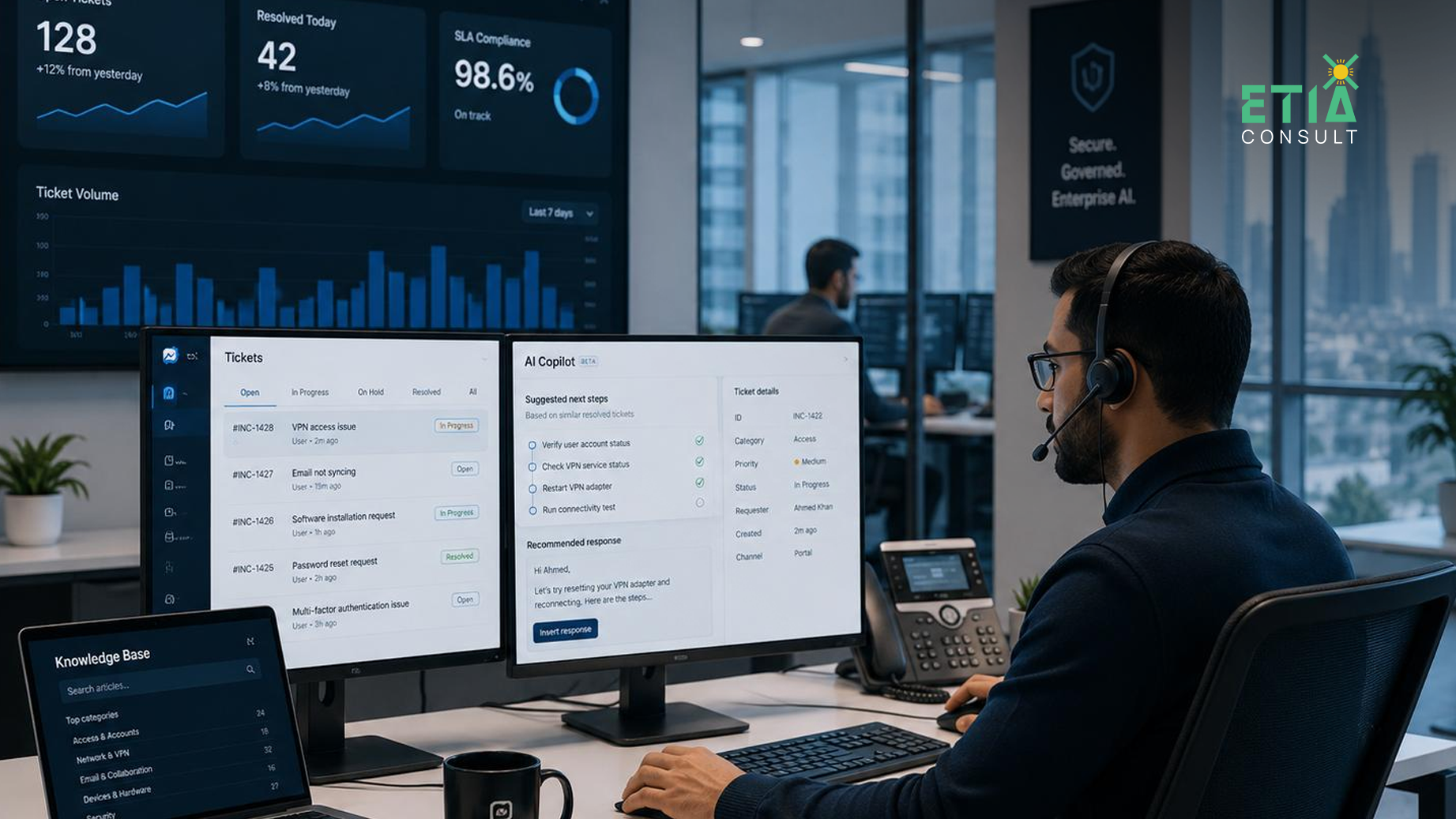
Business process optimization consulting often starts with workflow: complex processes frequently involve multiple teams working towards a shared outcome. When information is incomplete or responsibilities are unclear, employees spend considerable time following up on tasks instead of completing core work. Workflow optimization improves how activities move from one stage to another, examining task sequences, handovers, approval requirements and communication between the people responsible.
Consider a company that requires several approvals before purchasing essential equipment. If each approval is requested manually and employees cannot track the request, procurement may be delayed even when the purchase itself is straightforward. A better-designed workflow could set clear approval limits, define responsibility at each stage and provide a transparent way to track progress. Depending on requirements, workflow optimization may involve:
- Mapping the complete sequence of activities
- Identifying unnecessary handovers between departments
- Defining responsibilities for individual tasks
- Establishing consistent procedures for recurring activities
- Introducing suitable digital tools for tracking and communication
- Creating escalation procedures for delayed decisions
Improving a workflow does not mean automating every activity — some decisions need professional judgment, personal interaction or additional oversight. The purpose is workflows that are easier to understand, manage and measure while keeping appropriate flexibility and control.
Improving Operational Efficiency Without Compromising Quality
In business process optimization consulting, operational efficiency is often associated with cutting costs or completing tasks faster. Those outcomes matter, but efficiency should not come at the expense of quality, customer satisfaction or employee well-being. A process that runs quickly but produces frequent errors creates extra work and higher costs later, and reducing staffing or resources without understanding operational requirements puts unnecessary pressure on employees. A more balanced approach considers the relationship between time, resources, output and quality. Organizations can evaluate operational efficiency through measures such as:
- Time required to complete a process
- Cost per transaction or activity
- Frequency of errors and rework
- Resource utilization across departments
- Customer complaints and satisfaction
- Employee productivity and workload
- Compliance with internal and external standards
These measures show whether changes are producing the intended results. Reducing the time to process customer requests is useful only if responses stay accurate and customers keep receiving appropriate support. The most effective improvements balance productivity with reliability, making better use of resources while maintaining the standards stakeholders expect.
The Role of Data and Technology in Process Transformation
In business process optimization consulting, technology can simplify complex business processes, but new software does not automatically solve operational problems — if an inefficient process is moved directly into a digital system, its weaknesses remain. Successful process transformation starts by understanding what needs to change and then deciding how technology can support it. Relevant tools may include workflow management platforms, business intelligence systems, enterprise resource planning, customer relationship management and automation. The Netherlands is a live example: CBS reports that staff shortages are pushing businesses towards automation, while its figures show AI use by Dutch companies rising sharply — which makes sound process design more important, not less.
A business using separate spreadsheets for inventory, purchasing and financial reporting may see inconsistencies because information is entered and updated independently; better integration — the focus of our technology integration work — reduces duplicate data entry and gives authorized employees consistent information. Data also supports decisions: managers can examine performance trends, identify recurring bottlenecks and check whether improvements deliver measurable results, as we describe in our guide to energy data consulting. Technology decisions should still account for:
- Compatibility with existing systems
- Data accuracy and accessibility
- Information security and privacy
- Employee training requirements
- Implementation costs and ongoing maintenance
- Scalability as business needs evolve
A thoughtful approach ensures digital solutions support business objectives rather than adding another layer of complexity.
Aligning Process Optimization with Business Goals
In business process optimization consulting, process improvements are most valuable when they contribute directly to broader objectives. A company may want to reduce operating costs, improve customer experiences, accelerate service delivery, strengthen compliance or expand into new markets, and these priorities decide which processes get attention first. An organization focused on customer retention may prioritize response times, complaint resolution and service consistency; a business preparing for expansion may standardize procedures so operations can grow without unnecessary administrative burden. Business process optimization consulting connects operational decisions with these strategic priorities, which requires clear objectives and measurable indicators — without them, changes may look beneficial at departmental level but fail to improve overall performance. A practical approach includes:
Define the Outcome
Define the business outcome that needs improvement.
Identify the Processes
Identify the processes that influence that outcome.
Establish Indicators
Establish measurable indicators of current performance.
Prioritize Changes
Prioritize changes according to their expected impact.
Review and Adjust
Review results and adjust the approach where necessary.
This helps decision-makers understand why a change is needed and how its success will be judged, and encourages departments to work towards shared objectives instead of optimizing individual activities at the expense of the wider organization — the same principle behind our work on cross-functional teams.
Managing Change and Encouraging Employee Participation
Business process optimization consulting succeeds only with people: even well-designed improvements struggle if employees do not understand their purpose or how they affect responsibilities. People who work with a process daily often hold valuable insight into its practical challenges, which may not show in documentation or performance reports. Involving employees during assessment and implementation improves the quality of decisions and encourages acceptance of new procedures. Effective change management may include:
- Explaining the reasons behind proposed changes
- Inviting feedback from employees and process owners
- Providing training on revised procedures and systems
- Clarifying responsibilities and expectations
- Establishing channels for reporting implementation difficulties
- Reviewing feedback and making reasonable adjustments
Communication is especially important when process transformation changes established working practices: employees should understand not only what is changing but how it is expected to improve their work. A collaborative approach makes improvement a shared responsibility rather than an instruction imposed from the top.
Measuring Results and Supporting Continuous Improvement
Business process optimization consulting does not end when an initiative goes live: business processes should not be treated as permanently finished once an initiative has been implemented. Customer expectations, technology, regulations and market conditions change, creating new operational requirements, and continuous improvement helps organizations respond without waiting for significant problems. It involves regularly reviewing performance indicators, gathering employee feedback, monitoring recurring issues and comparing actual outcomes with original objectives. If a revised approval process first reduces delays but weakens as transaction volumes grow, the organization may need to adjust approval limits or add tracking — and regular reviews catch this early. A practical improvement cycle has four stages:
Plan
Identify a problem and determine the desired outcome.
Implement
Introduce a suitable change on an appropriate scale.
Evaluate
Compare results with established performance indicators.
Refine
Make adjustments based on evidence and feedback.
This cycle treats improvement as an ongoing management practice and stops teams drifting back to inefficient procedures once the initial implementation ends. By linking measurement to decision-making, organizations build processes that stay useful as needs evolve.
Why a Structured Business Process Optimization Consulting Approach Matters
Complex business challenges rarely have a single solution. Delays may involve technology, unclear responsibilities, resource limits or competing departmental priorities, and fixing one issue without understanding the wider system can create new problems elsewhere. A structured approach examines these relationships before committing to significant change. ETIAConsult’s focus on business process optimization consulting reflects the importance of assessing existing operations, identifying practical improvements and aligning changes with business priorities — connecting individual process improvements with broader organizational performance, as we explain in our article on business transformation consulting.
The right strategy depends on each organization’s circumstances: some businesses benefit from simplifying a few critical workflows, others need to review processes across several departments. In either case, successful optimization requires clear objectives, realistic implementation plans, employee involvement and consistent evaluation.
Conclusion
Optimizing complex business processes takes more than removing unnecessary steps or introducing new technology. It means understanding how work is performed, identifying the causes of inefficiency and designing improvements that support meaningful business outcomes. Through a structured approach to business process optimization consulting, organizations can identify opportunities for process improvement, strengthen workflow optimization and raise operational efficiency without overlooking quality or accountability.
ETIAConsult’s approach provides a framework for weighing these challenges against broader business objectives, combining careful assessment, practical planning, appropriate technology and continuous evaluation — and our team can help you start through strategic consulting. Ultimately, effective process transformation is not about making existing activities faster; it is about making them more purposeful, reliable and aligned with the organization’s future direction.
Frequently Asked Questions
Key questions on optimizing complex business processes
Optimize Complex Processes
Without Losing Control
ETIAConsult helps organizations in the Netherlands and across the EU assess processes, improve workflows and measure the results.