


The global energy sector is evolving at an unprecedented pace. Organizations today operate in an environment shaped by changing market dynamics, digital innovation, sustainability goals, regulatory expectations, and increasingly complex operational requirements. Technology has become far more than a supporting function — it is now a strategic driver of operational efficiency, resilience, and long-term growth. ETIAconsult approaches technology integration for energy enterprises with a focus on creating connected, scalable, and future-ready digital ecosystems.
The Need for Integrated Technology in the Energy Sector
The energy industry relies on numerous interconnected business functions. Organizations manage operations involving energy trading, asset management, production, distribution, risk management, regulatory compliance, financial reporting, and customer engagement — each often depending on different software platforms and operational systems.
Without effective integration, organizations may experience significant challenges that limit their ability to respond quickly to changing business needs:
- Duplicate information and data silos slowing decision-making across departments
- Delayed reporting caused by disconnected systems and manual data transfers
- Inefficient workflows that increase operational costs and reduce agility
- Limited operational visibility across the full value chain
- Increased business risk from fragmented compliance and reporting processes
A structured approach to technology integration for energy enterprises helps eliminate these barriers while improving collaboration across departments and creating a more agile, competitive organization.
Understanding Energy Sector Digital Transformation
Digital transformation is frequently associated with introducing new technologies. In reality, successful energy sector digital transformation extends far beyond technology implementation. It involves redesigning processes, improving information flow, strengthening decision-making, and creating a more agile operating environment.
Moving Beyond Technology Adoption
Organizations often invest significantly in software platforms without fully considering how these systems interact. Technology delivers greater value when information moves efficiently across the enterprise. Integrated platforms enable teams to access consistent, reliable, and timely information regardless of departmental boundaries — supporting faster decisions and more effective business operations.
Creating Connected Business Processes
Digital transformation succeeds when technology supports end-to-end workflows rather than isolated tasks. Connected business processes reduce manual intervention, improve efficiency, and strengthen operational consistency — improvements that contribute directly to organizational performance and long-term competitiveness in the energy market.
ETIAconsult’s Strategic Integration Philosophy
Technology integration requires more than technical expertise. It demands a clear understanding of business objectives, operational challenges, and industry-specific requirements. ETIAconsult approaches integration through a structured methodology designed to align technology investments with organizational priorities.
Core principles underpinning every engagement include:
- Business-first technology planning
- Scalable architecture design
- Reducing operational complexity
- End-to-end workflow alignment
- Future-ready digital ecosystems
- Cross-departmental collaboration
- Data consistency and accuracy
- Long-term adaptability
- Regulatory compliance readiness
- Measurable business outcomes
Business-First Technology Planning
Every organization has unique operational needs. Rather than applying standardized solutions indiscriminately, technology strategies are developed around business goals, existing infrastructure, and future growth plans. This ensures that digital initiatives support measurable business outcomes rather than simply expanding technology portfolios.
Scalable Architecture
Energy markets continue to evolve rapidly. Technology environments must therefore remain flexible enough to accommodate changing regulations, operational expansion, and emerging digital capabilities. Scalable architectures reduce future complexity while supporting long-term organizational adaptability.
The most effective technology integration programs treat digital architecture as a strategic asset — not a back-office IT function. Organizations that invest in integration before expanding technology portfolios consistently achieve greater operational reliability, lower implementation costs, and stronger decision-making capability.

The Role of Energy Technology Consulting
Technology decisions within the energy industry frequently involve significant financial and operational implications. This increases the importance of specialized energy technology consulting — guiding organizations through investment decisions that shape long-term digital capability.
Aligning Technology with Strategy
Technology investments should support broader organizational objectives. Consulting services help organizations evaluate their current landscape and chart a path forward with clarity:
Digital transformation is an ongoing process rather than a single implementation project. Technology consulting supports continuous improvement by helping organizations adapt their systems as business requirements evolve — contributing to sustainable operational success over time.
IT and OT Integration as a Business Enabler
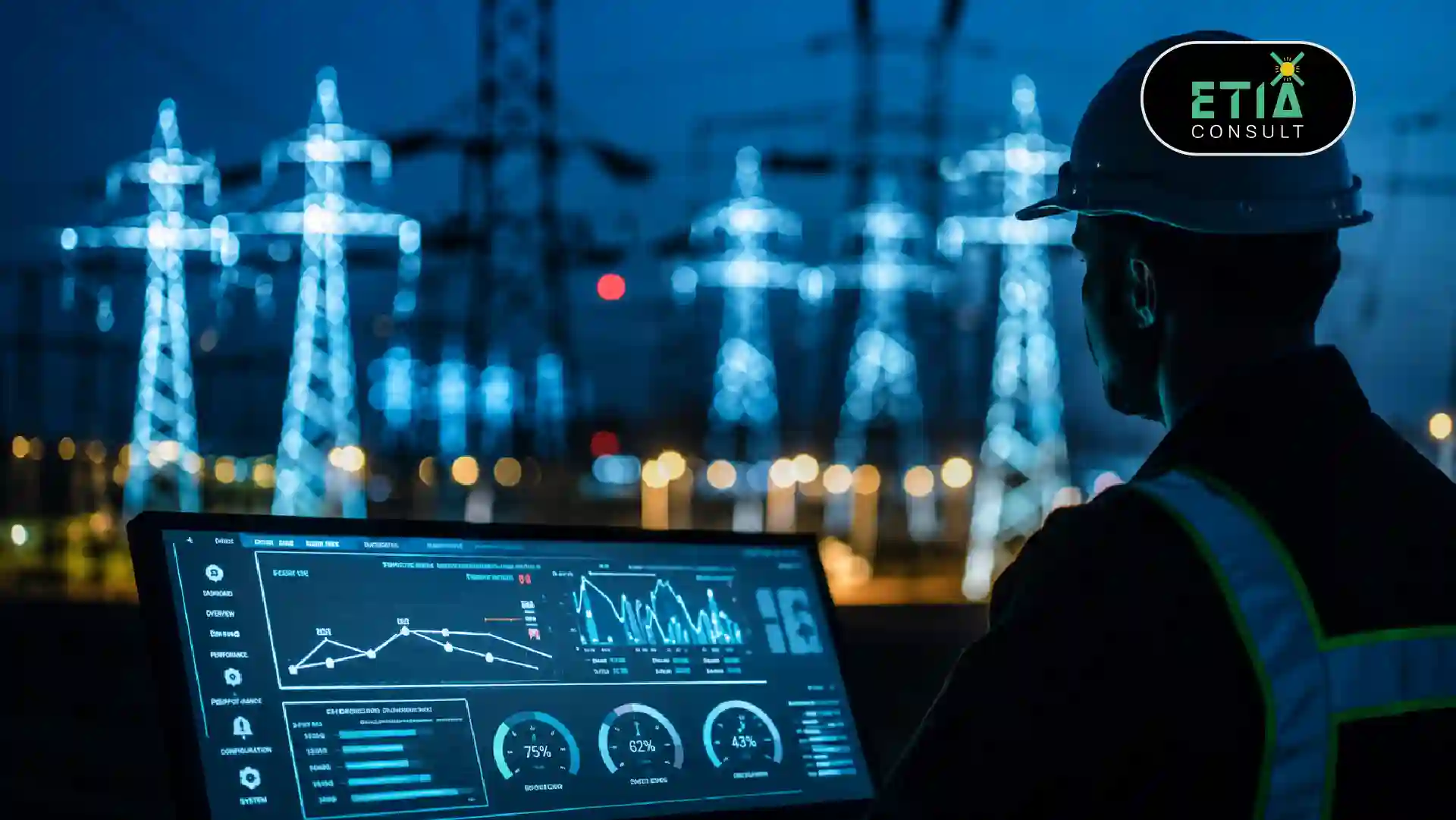
One of the most significant developments within the energy industry involves the convergence of Information Technology and Operational Technology. Traditionally, these environments operated independently. Today, IT and OT integration has become increasingly important — unlocking a new level of operational intelligence for energy organizations.
When operational and business systems communicate effectively, decision-makers gain access to more complete and accurate information. This improves organizational responsiveness — enabling energy enterprises to react to market changes, regulatory updates, and operational anomalies faster than competitors relying on disconnected environments.
Effective IT and OT integration supports improved operational visibility, faster decision-making, enhanced asset performance, better resource utilization, and increased organizational efficiency — strengthening both operational performance and strategic planning simultaneously.
Delivering Comprehensive Energy Enterprise Solutions
Modern organizations require technology ecosystems that support diverse operational requirements. ETIAconsult develops energy enterprise solutions that encourage collaboration across business functions while maintaining flexibility for future growth. Bringing core systems together creates a more unified, efficient operating environment.
Trading Platform Integration
Connecting energy trading systems with risk, scheduling, and financial platforms — ensuring position data flows in real time to every function that depends on it.
Financial Systems Alignment
Bridging trading, settlement, and financial reporting to eliminate reconciliation errors, reduce close cycle times, and improve the accuracy of financial disclosures.
Asset Management Connectivity
Linking asset management applications with operational monitoring data — giving maintenance, operations, and commercial teams a unified view of asset performance and availability.
Regulatory Reporting Tools
Automating data flows into compliance reporting platforms — reducing manual preparation burden and ensuring accurate, timely submissions to regulatory authorities.
Consistent information is essential for effective business management. Integrated enterprise solutions reduce conflicting data, improve reporting accuracy, and strengthen organizational confidence in business intelligence — enabling leaders to act decisively rather than question the data behind every decision.
The Importance of ETRM Integration Services
Energy trading organizations depend heavily on accurate and timely information. Energy Trading and Risk Management systems play a central role in managing commercial activities — and as a result, ETRM integration services have become increasingly important for organizations seeking operational efficiency and competitive advantage.
Connecting Trading Operations
ETRM systems interact with multiple business functions including finance, risk management, scheduling, market operations, and regulatory reporting. Integration ensures information moves efficiently between these areas — improving operational coordination while reducing manual processes and the errors they introduce.
Supporting Better Risk Management
Integrated ETRM environments provide greater visibility into trading positions, operational performance, and financial exposure. This enables organizations to respond more effectively to market changes and evolving business conditions — reducing the risk of costly surprises in volatile energy markets.
Enhancing Operational Efficiency
Automated information exchange across the ETRM ecosystem reduces repetitive tasks, minimizes data inconsistencies, and supports faster decision-making across trading operations — freeing teams to focus on value-generating activities rather than data reconciliation.
Long-Term Value of Integrated Technology
Technology integration delivers benefits that extend well beyond operational efficiency. Organizations also gain strategic advantages through improved agility, stronger decision-making, and a digital foundation that enables future innovation.
Better Business Intelligence
Integrated systems generate more comprehensive data for analysis. Leaders gain clearer insights into organizational performance, enabling more informed strategic decisions — from capital allocation to market positioning and operational investment priorities.
Greater Organizational Resilience
Energy markets remain dynamic and unpredictable. Organizations with connected technology environments are generally better positioned to adapt to regulatory changes, market fluctuations, and evolving customer expectations — maintaining competitive performance through disruption.
Supporting Future Innovation
Technology integration establishes a strong foundation for future digital initiatives. Emerging technologies such as advanced analytics, automation, and artificial intelligence become easier to implement within connected technology ecosystems — making today’s integration investment a catalyst for tomorrow’s innovation.
Preparing for Continued Digital Evolution
Digital transformation is not a destination. Organizations benefit most when technology environments remain adaptable, scalable, and aligned with long-term strategic objectives — ready to absorb new capabilities without requiring disruptive re-architecture.
Sustainable success requires connected systems that enable efficient operations, informed decision-making, and long-term adaptability. ETIAconsult supports enterprises in building integrated digital environments capable of meeting both current and future business demands through its technology integration advisory services.
Frequently Asked Questions
Key questions on technology integration for energy enterprises
Turn Technology Integration Into
Lasting Operational Advantage
ETIAconsult helps energy organizations design connected digital ecosystems, align IT and OT environments, integrate ETRM platforms, and build scalable architectures ready for future growth and innovation.