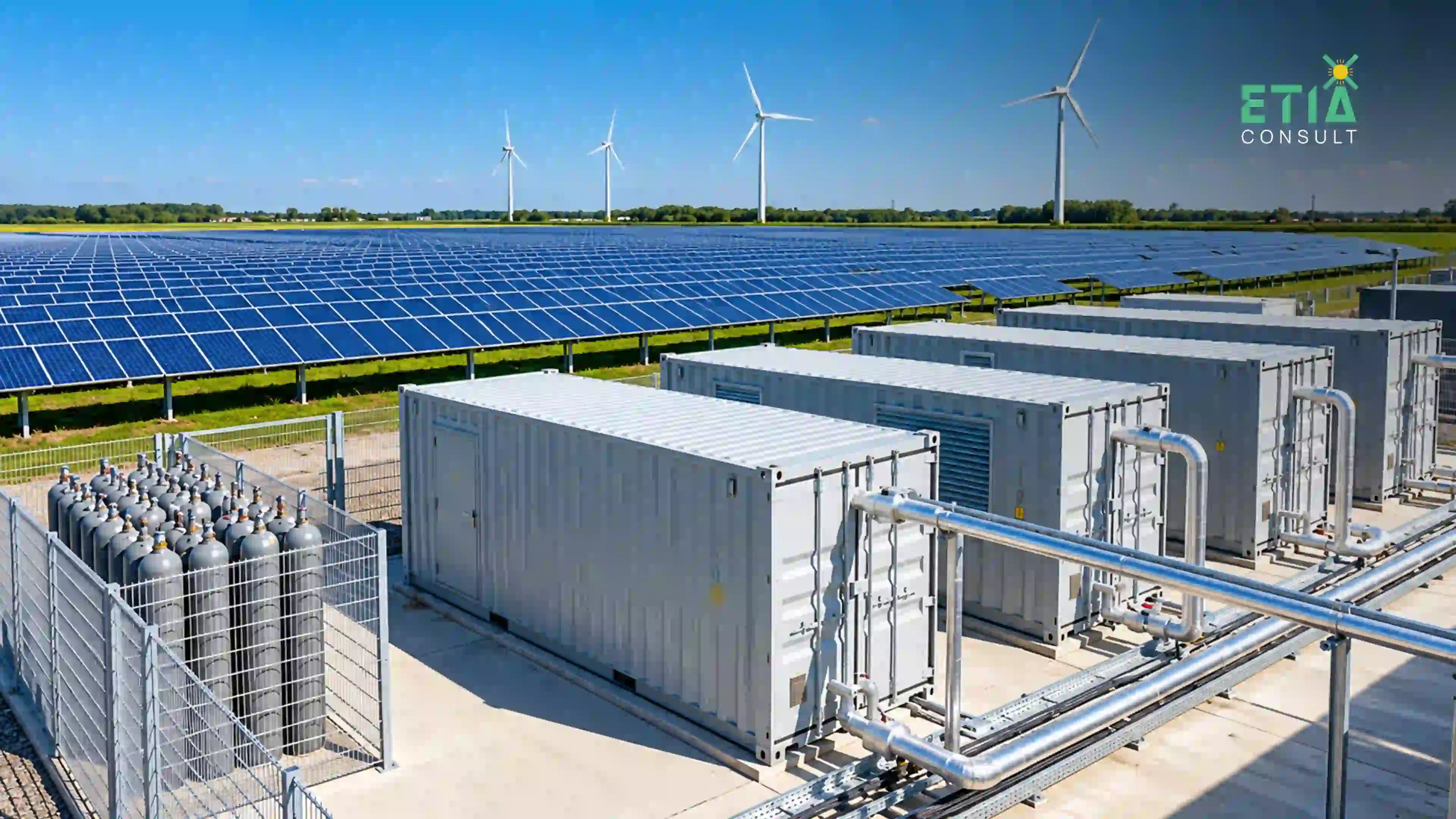

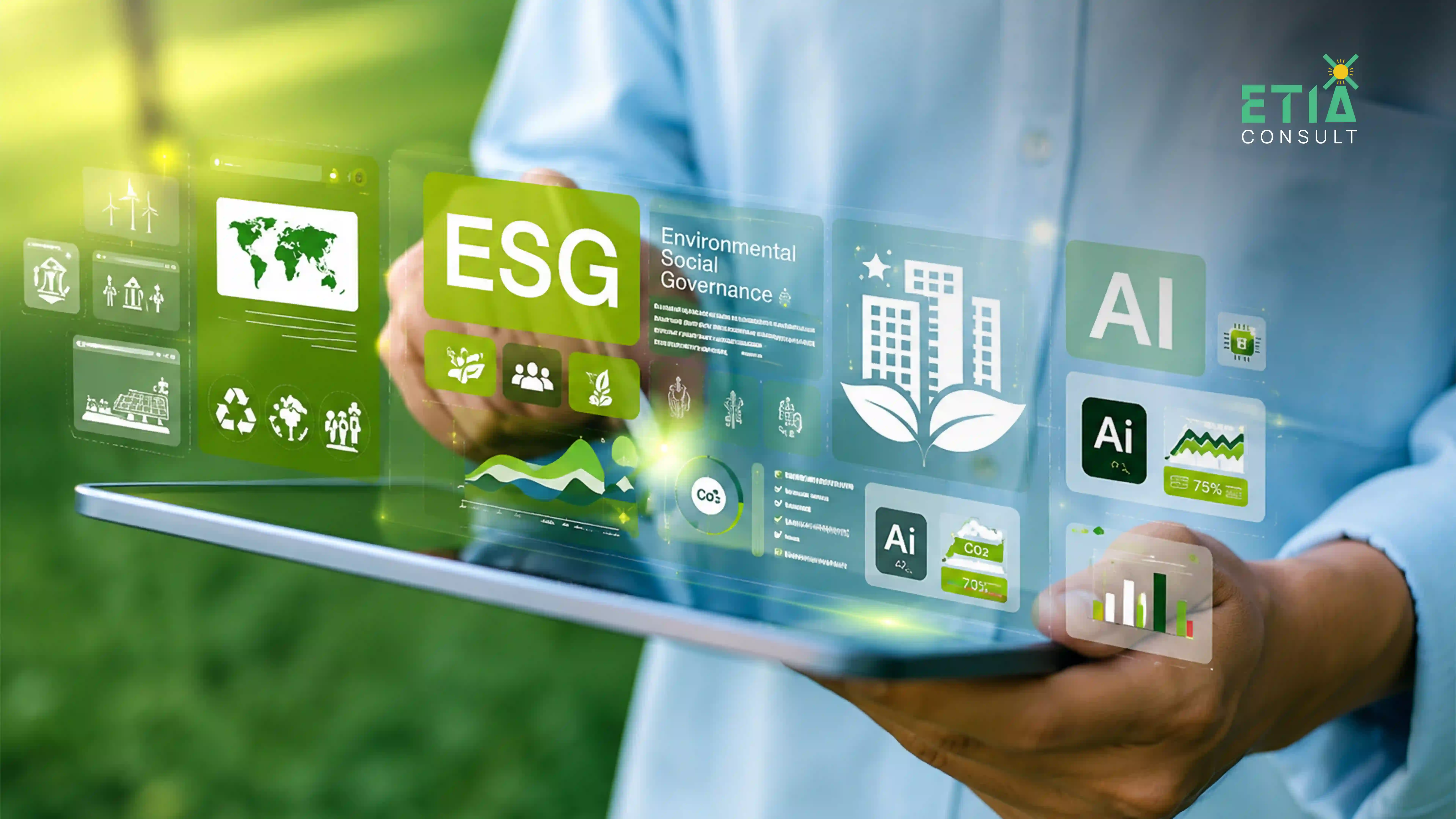

The pace of business has never been faster. Emerging technologies, evolving customer expectations, changing regulations, and growing sustainability commitments are reshaping industries across the globe. Organizations that rely solely on traditional business models often struggle to keep up, while those that embrace change are better positioned to thrive. Being future-ready is not simply about adopting the latest technology — it requires a balanced approach that combines Future Business Innovation, ESG Transformation, and a well-defined Digital Strategy.
Why Future-Ready Organizations Matter
Organizations today operate in an environment where change is constant. Economic uncertainty, technological advancements, environmental challenges, and evolving customer expectations demand greater flexibility than ever before. Future-ready organizations are those that anticipate change instead of reacting to it — they continuously evaluate their strategies, embrace innovation, and develop capabilities that allow them to adapt quickly while maintaining operational stability.
Some characteristics of future-ready organizations include:
- Clear long-term strategic vision
- Strong commitment to continuous improvement
- Investment in technology and digital capabilities
- Sustainable business practices embedded across operations
- Agile decision-making processes
- A culture that encourages learning and innovation
Business Adaptability has moved to the top of the boardroom agenda — the World Economic Forum’s Global Risks Report consistently ranks adaptability and preparedness among the capabilities that most separate resilient organizations from the rest.
Business Innovation: The Engine of Long-Term Growth
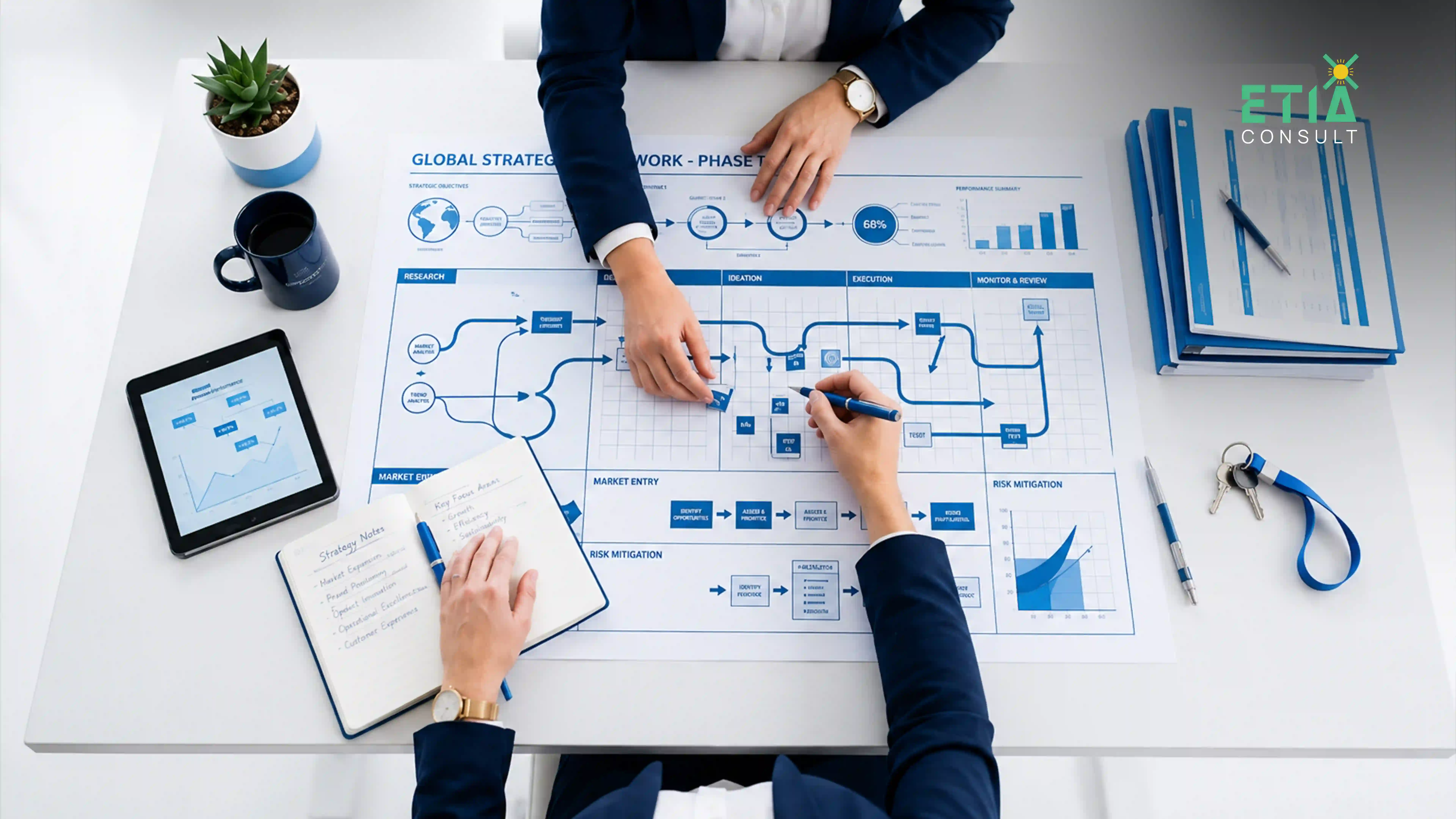
Innovation is no longer limited to developing new products. It influences every aspect of an organization, from customer experience and operations to decision-making and service delivery. Business innovation encourages organizations to rethink traditional processes, identify new opportunities, and improve how value is created for customers and stakeholders — a mindset at the core of ETIAConsult’s strategic consulting services.
Process Improvement
Optimising workflows to improve efficiency and reduce operational complexity.
Customer-Centric Solutions
Developing products and services that respond to changing customer needs and market expectations.
Technology Adoption
Leveraging digital tools to improve collaboration, productivity, and business performance.
Continuous Learning
Encouraging employees to develop new skills and contribute innovative ideas across the organization.
Organizations that foster innovation are better positioned to adapt to market changes while maintaining sustainable growth.
Sustainability Leadership: Creating Value Beyond Compliance
Sustainability has become an essential component of modern business strategy. Organizations are increasingly expected to demonstrate responsible environmental, social, and governance practices while continuing to deliver commercial success. Sustainability leadership goes beyond meeting regulatory requirements — as explored in ETIAConsult’s guide to corporate sustainability beyond compliance, it reflects a commitment to creating long-term value for customers, employees, investors, and communities.
Strong Sustainable Business Strategy often includes:
- Responsible resource management
- Transparent governance practices
- Ethical business decision-making
- Long-term environmental planning
- Stakeholder engagement
When sustainability becomes part of everyday decision-making, organizations strengthen trust while improving resilience and long-term performance.
Digital Transformation Strategy as a Competitive Advantage
Technology continues to reshape how organizations operate, compete, and deliver value. However, successful transformation requires more than implementing new digital tools. A well-defined Technology Transformation aligns technology investments with business objectives, ensuring every initiative contributes to measurable outcomes — the discipline behind ETIAConsult’s technology integration services.
Improving Operational Efficiency
Streamlined processes and fewer manual handoffs across departments.
Enhancing Customer Experiences
Faster, more consistent service built on connected systems.
Strengthening Data-Driven Decision-Making
Reliable, real-time information that supports faster strategic choices.
Integrating Business Systems
Connected platforms that remove silos between departments.
Supporting Future Scalability
Architecture that grows with the organization rather than constraining it.
Organizations that approach digital transformation strategically are more likely to achieve sustainable growth while remaining agile in changing markets.
Building a Strong Foundation for the Future
Preparing for tomorrow begins with decisions made today. Organizations that invest in business innovation, strengthen sustainability leadership, and implement a thoughtful Digital Business Strategy establish a solid foundation for long-term success. Rather than responding to change as it occurs, future-ready organizations develop the capabilities, culture, and strategic direction needed to evolve continuously.
Building Long-Term Business Resilience Through ESG Transformation
Every organization faces periods of uncertainty, whether driven by economic shifts, changing regulations, technological disruption, or evolving customer expectations. The ability to adapt and recover has become just as important as the ability to grow. This is where ESG transformation plays a vital role.
Rather than treating environmental, social, and governance initiatives as standalone programmes, organizations are increasingly integrating them into core business operations. This creates stronger governance, better risk management, and greater long-term stability — supported by disciplines such as ETIAConsult’s risk management advisory.
When ESG principles become part of everyday decision-making, organizations develop the flexibility needed to respond to both opportunities and challenges.
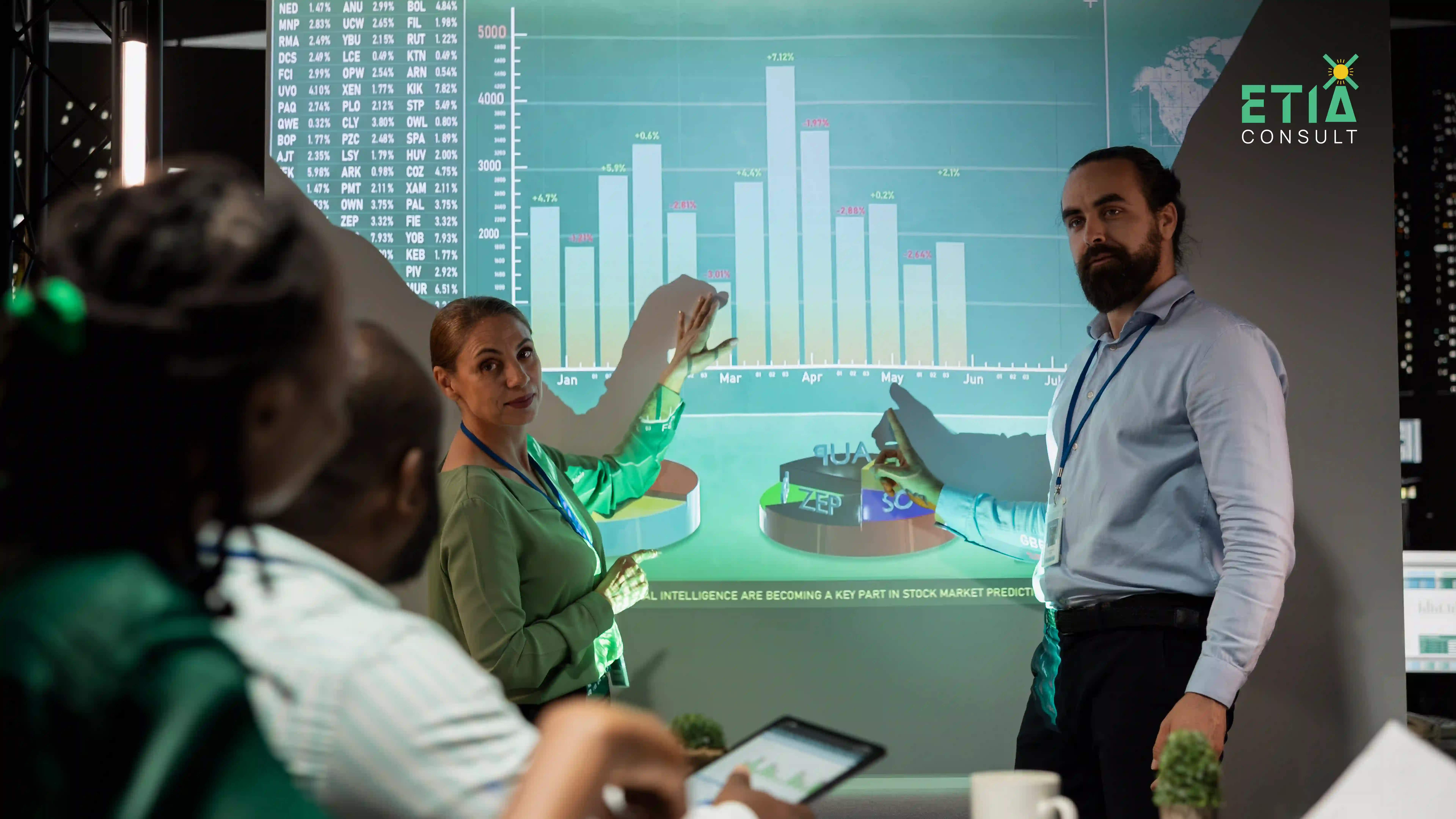
Practical Steps to Build Future-Ready Organizations
Preparing for the future is an ongoing process rather than a one-time initiative. Organizations that consistently evaluate and improve their capabilities are better equipped to adapt as business environments evolve. The following practices can help businesses build lasting resilience.
Encourage a Culture of Innovation
Employees should feel empowered to contribute ideas, challenge traditional approaches, and participate in continuous improvement initiatives.
Invest in People and Skills
Future-ready organizations recognise that technology alone cannot drive transformation. Continuous learning ensures employees remain prepared for changing business needs.
Strengthen Digital Capabilities
A well-planned Technology Strategy enables organizations to improve collaboration, automate routine processes, and make faster, data-informed decisions.
Embed Sustainability into Business Strategy
Rather than treating sustainability as a separate initiative, organizations should integrate ESG principles into planning, operations, and performance measurement.
Measure and Adapt
Business priorities evolve over time. Regular performance reviews help organizations identify new opportunities, address emerging risks, and refine strategic direction.
These practical actions create organizations that are not only prepared for change but capable of leading it.
Innovation, Technology, and Sustainability Work Best Together
Organizations often approach innovation, digital transformation, and sustainability as separate priorities. In reality, these three areas reinforce one another.
- Business innovation identifies opportunities for improvement
- Technology Strategy provides the tools to implement those improvements efficiently
- ESG transformation ensures growth remains responsible, resilient, and aligned with stakeholder expectations
Together, they create a balanced framework that supports long-term success without compromising operational performance or sustainability commitments — a view supported by McKinsey’s research on sustainability and growth, which links integrated strategies to stronger long-term performance.
Preparing for Tomorrow Starts Today
No organization can predict every future challenge, but every organization can strengthen its ability to respond. Building adaptable systems, investing in people, embracing responsible leadership, and encouraging continuous innovation help create organizations that remain competitive regardless of changing market conditions.
Future readiness is not defined by perfection. It is defined by preparedness, flexibility, and the willingness to improve continuously — the same forward-looking approach behind ETIAConsult’s strategic consulting for sustainable growth.
Conclusion
Building future-ready organizations requires more than responding to today’s challenges. It demands a long-term vision that embraces innovation, responsible leadership, and continuous adaptation. As markets evolve and stakeholder expectations continue to grow, organizations must develop strategies that balance business performance with sustainability and technological advancement.
By investing in business innovation, demonstrating Sustainable Business Strategy, implementing a thoughtful Digital Transformation Solutions, and embracing ESG transformation, organizations create stronger foundations for growth and resilience. These priorities work together to improve operational efficiency, strengthen governance, encourage informed decision-making, and prepare businesses for future opportunities.
The organizations that will thrive in the years ahead are those that view change not as an obstacle but as an opportunity for improvement. By building resilience, encouraging innovation, and integrating sustainability into everyday operations, businesses can confidently navigate uncertainty while creating lasting value for customers, employees, investors, and society.
Frequently Asked Questions
Key questions on future-ready organizations, ESG transformation, and Digital Growth Strategy
Ready to Build a Future-Ready
Organization?
ETIAConsult helps organizations combine Business Innovation for Growth, Corporate Sustainability, and Digital Transformation Framework into one measurable path to long-term resilience.