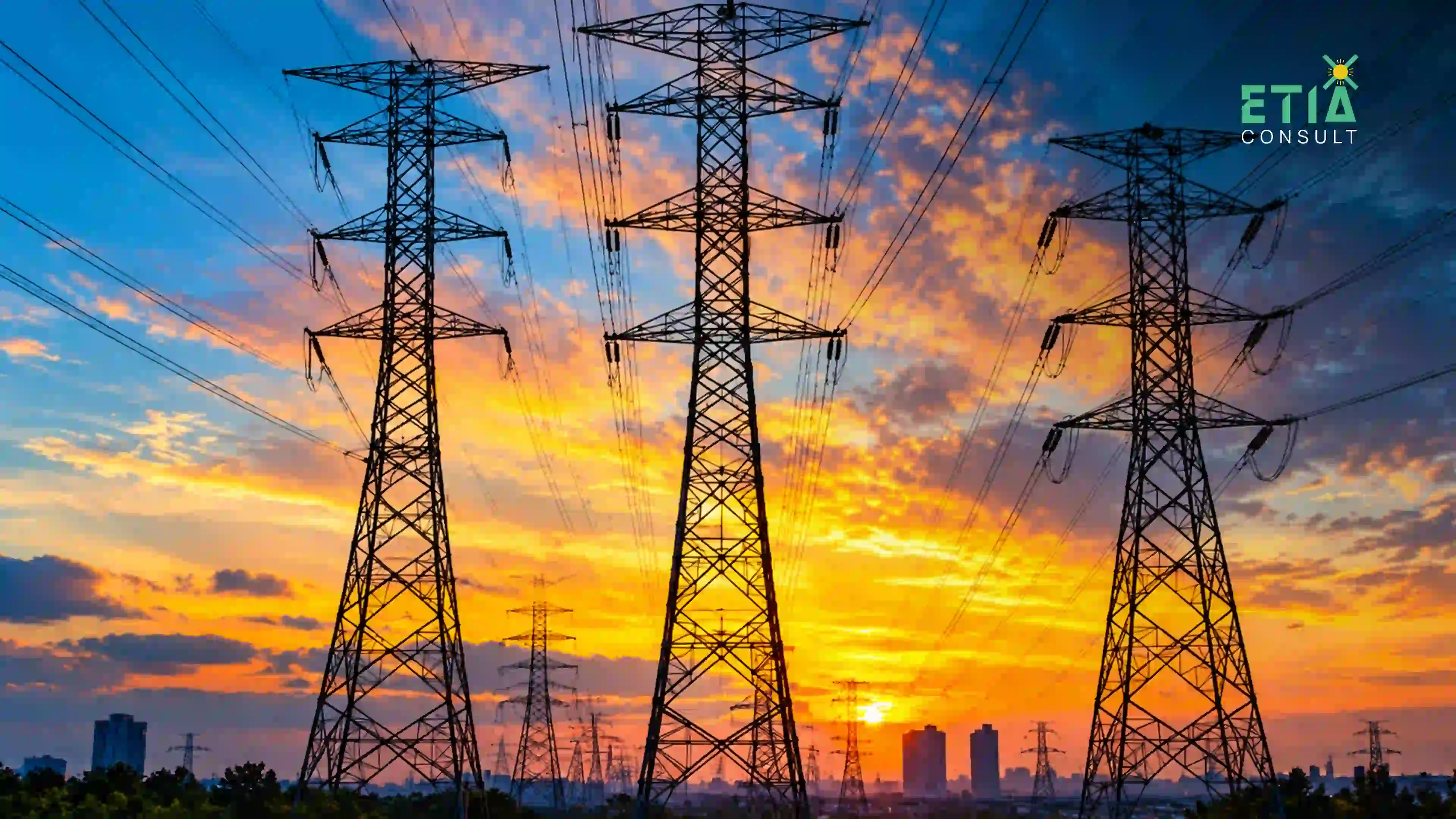



European electricity market coupling is fundamentally changing how the continent’s power markets operate. Where electricity systems were once managed almost entirely within national borders — each country balancing its own supply and demand independently — coordinated market arrangements now allow electricity, market bids, and available transmission capacity to be considered together across multiple countries and bidding zones. This transformation is accelerating as Europe expands renewable generation, electrifies transport and industry, and seeks a more flexible, efficient power system. European electricity market coupling lies at the heart of this shift, connecting power markets, electricity interconnection, and cross-border electricity trading into a single coordinated framework.
What Is European Electricity Market Coupling?
European electricity market coupling is a coordinated mechanism that links separate electricity markets through a shared market-clearing process. It allows electricity bids and offers from different bidding zones to be evaluated alongside the available capacity of the transmission networks connecting them — determining which trades can take place while respecting the physical constraints of the interconnected grid.
The core principle is straightforward: if electricity is available at a lower wholesale price in one market while demand and prices are higher in a neighbouring market, electricity can potentially flow across the border — provided sufficient transmission capacity is available. This process integrates commercial electricity trading with the physical operation of the European electricity grid in a way that uncoordinated national markets cannot achieve alone.
European electricity market coupling therefore brings together two critical considerations that national markets previously managed in isolation:
- Electricity supply and demand across multiple countries and bidding zones — evaluated together rather than independently within each national market
- Available cross-border transmission capacity — the physical limits of interconnectors that determine how much electricity can actually flow between connected markets at any given moment
This is particularly valuable across Europe because countries have markedly different generation mixes, demand patterns, weather conditions, energy policies, and levels of renewable generation. Coordinated market clearing allows these differences to complement each other — a country with strong wind output on a particular day can potentially supply a neighbouring market experiencing high demand, rather than each market managing the same situation in isolation.
How European Electricity Market Coupling Works — The Four-Step Process
The process behind European electricity market coupling is technically complex, though its core objective is relatively clear: match electricity supply and demand across interconnected markets as efficiently as possible while respecting the physical limits of the transmission network. Understanding its structure helps explain both its benefits and its limitations.
Successful coordination requires close cooperation among electricity exchanges and market operators, transmission system operators (TSOs), energy regulators, generators and suppliers, and traders and other market participants. The interaction between these groups allows commercial electricity trading to remain aligned with the actual physical capabilities of the grid — a coordination challenge that the ENTSO-E market frameworks and the ACER capacity allocation and congestion management codes are designed to address across Europe’s interconnected power systems.
When an interconnector between two bidding zones becomes congested, connected markets may clear at different prices — a congestion rent that reflects the physical constraint preventing electricity from flowing freely enough to equalise supply and demand. European electricity market coupling makes congestion visible and commercially meaningful rather than allowing it to distort markets silently.

Why The coupled market mechanism Matters for Power Markets
This coordinated market framework addresses a fundamental challenge in electricity system management: electricity supply and demand must remain closely balanced at all times, but the factors driving both supply and demand vary significantly across different countries and regions simultaneously. Without coordination, national markets must manage every situation independently — even when the most efficient solution involves sharing resources across borders.
The potential benefits of market integration through coordinated coupling extend across several dimensions of electricity system performance — from economic efficiency and grid utilisation to renewable energy integration and system resilience. This is why ETIAconsult’s advisory on energy transition trends and energy market analytics consistently treats European market integration as a structural market driver rather than a technical detail.
More Efficient Use of Transmission Infrastructure
Market coupling integrates capacity allocation directly into market clearing — ensuring available interconnection is used to its full commercial value rather than allocated through separate, potentially less efficient processes that may leave capacity unused.
Better Wholesale Price Formation
When markets are coupled, wholesale electricity prices better reflect the actual balance of supply and demand across the wider European region — reducing the price distortions that can emerge when national markets operate in isolation despite being physically interconnected.
Greater Renewable Energy Integration
Variable wind and solar generation can produce surplus electricity in one region simultaneously with high demand elsewhere. Market coupling allows this renewable surplus to be traded across borders — reducing curtailment and improving the economics of renewable investment across European energy markets.
Improved System Flexibility and Resilience
Access to generation resources across a wider geographic area provides additional options for managing unexpected changes — a supply shortfall in one country can be partly addressed through imports from neighbouring markets, improving overall system resilience without requiring domestic capacity alone to cover every contingency.
International electricity commerce and the Limits of Physical Infrastructure
Transnational power trading is one of the most visible outcomes of greater market coordination through Coupled power market arrangements. Physical electricity interconnection provides the infrastructure link between countries — but a physical connection alone does not guarantee efficient commercial trading. Market rules and coordinated clearing arrangements determine how available interconnection capacity translates into actual electricity flows and commercial opportunities.
With coupled markets, the trading process considers available cross-border capacity simultaneously with matching electricity supply and demand — making the most efficient use of the interconnected system rather than allocating capacity as a separate pre-market step. According to the IEA’s cross-border electricity trade research, coordinated market coupling consistently outperforms separate national market arrangements in terms of overall welfare, network utilisation, and renewable integration efficiency.
However, cross-border power flows always remains subject to physical reality. Transmission lines and interconnectors can carry only a certain amount of electricity. When those physical limits are reached, additional commercial demand for capacity cannot simply increase the electrical flow — congestion emerges, markets separate in price, and the economic benefits of coupling become constrained by the infrastructure available. This is precisely why market development and physical grid investment must progress together — a lesson central to ETIAconsult’s advisory on energy technology integration and future-ready energy infrastructure strategy.
This integrated electricity trading mechanism is not a mechanism that erases the importance of physical infrastructure — it is a framework for making the best use of the infrastructure that exists. The efficiency of market coupling is ultimately bounded by the capacity of the interconnectors and transmission lines that connect Europe’s electricity systems.
Why Electricity Interconnection Is the Foundation of Cross-border market harmonisation
Electricity interconnection is the physical foundation of The coordinated clearing process. Without transmission links between countries and bidding zones, electricity exchanges between countries would not be possible — and the commercial benefits that coordinated clearing creates would remain theoretical. The quality, capacity, and geographic coverage of interconnection infrastructure therefore determines how much of the potential value from coordinated market operations can actually be realised.
Investment in electricity interconnection is becoming increasingly important as electricity demand grows through electrification and renewable generation expands across Europe. New interconnectors can connect regions with strong renewable resources — such as offshore wind-rich areas around the North Sea or solar-abundant regions in Southern Europe — to areas with greater electricity demand, improving both the economics of renewable investment and the security of supply in connected markets.
Connecting Renewable Resource Regions to Demand Centres
New electricity interconnection between offshore wind-rich North Sea areas, solar-strong Iberian and Mediterranean regions, and high-demand industrial centres in central Europe can significantly improve the value of renewable investment — reducing the curtailment that occurs when local supply exceeds local demand without sufficient export capacity.
Improving Security of Supply Across Coupled Markets
Greater interconnection capacity means a supply shortfall in one market can draw on resources from a wider geographic area — reducing the risk of situations where insufficient domestic generation forces prices to extreme levels or requires emergency interventions that could be avoided with stronger cross-border connectivity.
Reducing Congestion That Limits This mechanism Benefits
Expanding capacity on existing interconnectors and building new transmission links directly increases the volume of power import and export that Interconnected market coordination can facilitate — turning the theoretical benefits of pan-European market development into actual commercial flows and price convergence that market participants can rely upon.
However, new grid interconnection requires substantial investment and long-term planning — involving technical studies, environmental assessments, regulatory approvals, and coordination between different national authorities and TSOs. Projects can take a decade or more from conception to commissioning, which means decisions made today about interconnector investment determine the infrastructure constraints that shape Coupled electricity trading arrangements in the 2030s and beyond. The EU’s Projects of Common Interest (PCI) framework supports priority interconnection investments identified as critical for European energy electricity market harmonisation.
Supporting Renewable Energy Integration Across European Energy Markets
The expansion of renewable energy is one of the most important reasons why stronger This cross-border clearing mechanism has become progressively more critical. Wind and solar generation depend on weather conditions — their output can change significantly throughout the day and from one region to another. As renewable generation becomes a larger share of the European electricity mix, electricity markets need greater flexibility to respond efficiently to this variability.
A connected European electricity system — integrated through robust cross-border coordination and adequate cross-border grid links — provides some of that flexibility. Strong winds generating abundant electricity in the North Sea can potentially supply demand in Germany, France, or the Netherlands when the interconnection capacity exists and the coupled system allows the commercial transaction to clear efficiently. Similarly, when renewable output falls unexpectedly in one market, electricity from neighbouring areas can provide an additional source of supply — provided network conditions allow the flow.

How Coordinated electricity market clearing Influences Wholesale Prices
Wholesale electricity prices are among the most visible effects of Cross-border market coordination — and among the most widely misunderstood. When two connected markets have sufficient transmission capacity, electricity can flow between them in response to differences in supply, demand, and wholesale prices. This can bring prices in connected areas closer together — but price convergence is never guaranteed, and coordinated clearing was never designed primarily as a price reduction mechanism.
When an interconnector between two markets becomes congested, the areas may separate in price — one market experiencing lower wholesale prices while another continues to experience higher prices, because available transmission capacity is insufficient to move enough electricity between them to eliminate the difference. This congestion is not a failure of this mechanism; it is precisely the signal that cross-border coordination is designed to make visible and commercially meaningful rather than hiding it within less transparent administrative allocation processes.
The factors that influence wholesale electricity prices in coupled Continental energy trading markets include:
- Fuel and generation costs — particularly gas prices, which set marginal electricity cost across much of Europe’s thermal generation fleet
- EU ETS carbon prices — adding a carbon cost to fossil generation that is reflected in wholesale electricity market-clearing prices across coupled zones
- Renewable generation output — highly variable and weather-dependent, increasingly dominant in determining wholesale prices across The coupled market mechanism zones
- Network congestion — the primary source of price divergence between coupled bidding zones when interconnection capacity is insufficient for the commercial flows that markets would otherwise require
- Electricity demand levels — driven by weather, economic activity, electrification growth, and the increasingly complex demand patterns created by EVs, heat pumps, and industrial electrification
Understanding these price drivers and how This coordinated market framework transmits them across interconnected zones is central to ETIAconsult’s energy market forecasting advisory and the ETRM system capabilities that energy trading organisations use to monitor and respond to pan-European market conditions.
Challenges Facing Coupled power market arrangements
Although This integrated electricity trading mechanism offers important structural benefits, it also creates genuine challenges that require continued investment, regulatory development, and cross-border coordination to address. The coupled system does not eliminate the complexity of managing a continental electricity system — in some ways, it makes that complexity more visible and requires more sophisticated management tools to navigate effectively.
The Future of Interconnected market coordination
The future of Coupled electricity trading arrangements will be shaped by the continent’s wider energy transition — as renewable generation expands, electrification deepens, and electricity demand patterns become progressively more dynamic. The market framework must evolve alongside the physical system it coordinates, with several priority areas emerging from current policy discussions and infrastructure planning.
ETIAconsult’s advisory on energy market analytics, energy market forecasting, and ESG and regulatory strategy for energy companies integrates Coordinated market arrangements as a structural framework shaping every dimension of European energy market participation — from trading strategy and risk management to investment planning and regulatory compliance.
Frequently Asked Questions
Key questions on The coupled market framework, cross-border trading, and cross-border market harmonisation
Ready to Navigate European Electricity
Coupled clearing With Confidence?
ETIAconsult helps European energy organisations understand interconnected market clearing dynamics, cross-border power flows opportunities, interconnection strategy, and the regulatory frameworks shaping European electricity trading systems — translating complex market structures into actionable commercial and strategic intelligence.