

The global energy landscape is undergoing one of its most significant transformations in decades. Governments, businesses, and investors are rethinking how energy is produced, distributed, and consumed — to address climate change, strengthen energy security, and meet growing economic demands. As a result, energy transition trends are influencing industries, investment strategies, and policy decisions across the world. From accelerating renewable energy adoption to advancing energy innovation, organisations are embracing cleaner and more efficient solutions to build a resilient future — making the transition not a distant ambition, but an active strategic priority shaping every corner of global energy markets today.
Understanding the Global Energy Transition
The energy transition refers to the fundamental shift from conventional fossil fuels to cleaner, more sustainable energy sources. While this transformation is driven by environmental priorities, it is equally supported by technological advancements, changing consumer expectations, and evolving government policies that are making clean energy the economically rational choice — not just the responsible one.
Today, organizations are looking beyond simply reducing emissions. They are investing in smarter infrastructure, cleaner technologies, and sustainable business practices that improve both environmental performance and operational resilience simultaneously. According to the IEA’s Clean Energy Transitions Programme, clean energy investment is now outpacing fossil fuel investment globally — a crossover that marks a genuine structural shift in how capital is being allocated across energy systems.
This transition connects directly to the sustainable energy fundamentals ETIAconsult advises on and the decarbonization strategies European organizations are now executing at scale.
The energy transition is no longer a future ambition — it is a strategic priority influencing economies, industries, and investment decisions worldwide. Organizations that position themselves ahead of this shift are building structural advantages that their slower-moving competitors will find very difficult to close.
Key Energy Transition Trends Reshaping Global Markets
As countries accelerate their sustainability efforts, several important energy transition trends are driving change across industries — simultaneously and at unprecedented speed. Understanding these forces is essential for any organization seeking to build strategic resilience in a market being reshaped from the ground up.
Renewable Energy Adoption
Solar, wind, and hydropower becoming the dominant source of new generation capacity as costs collapse and policy support intensifies across Europe and globally.
Corporate Sustainability Priority
Businesses integrating sustainable energy into long-term strategy — not as an ESG exercise but as a core commercial and operational necessity driven by investor, regulatory, and customer pressure.
Energy Innovation Acceleration
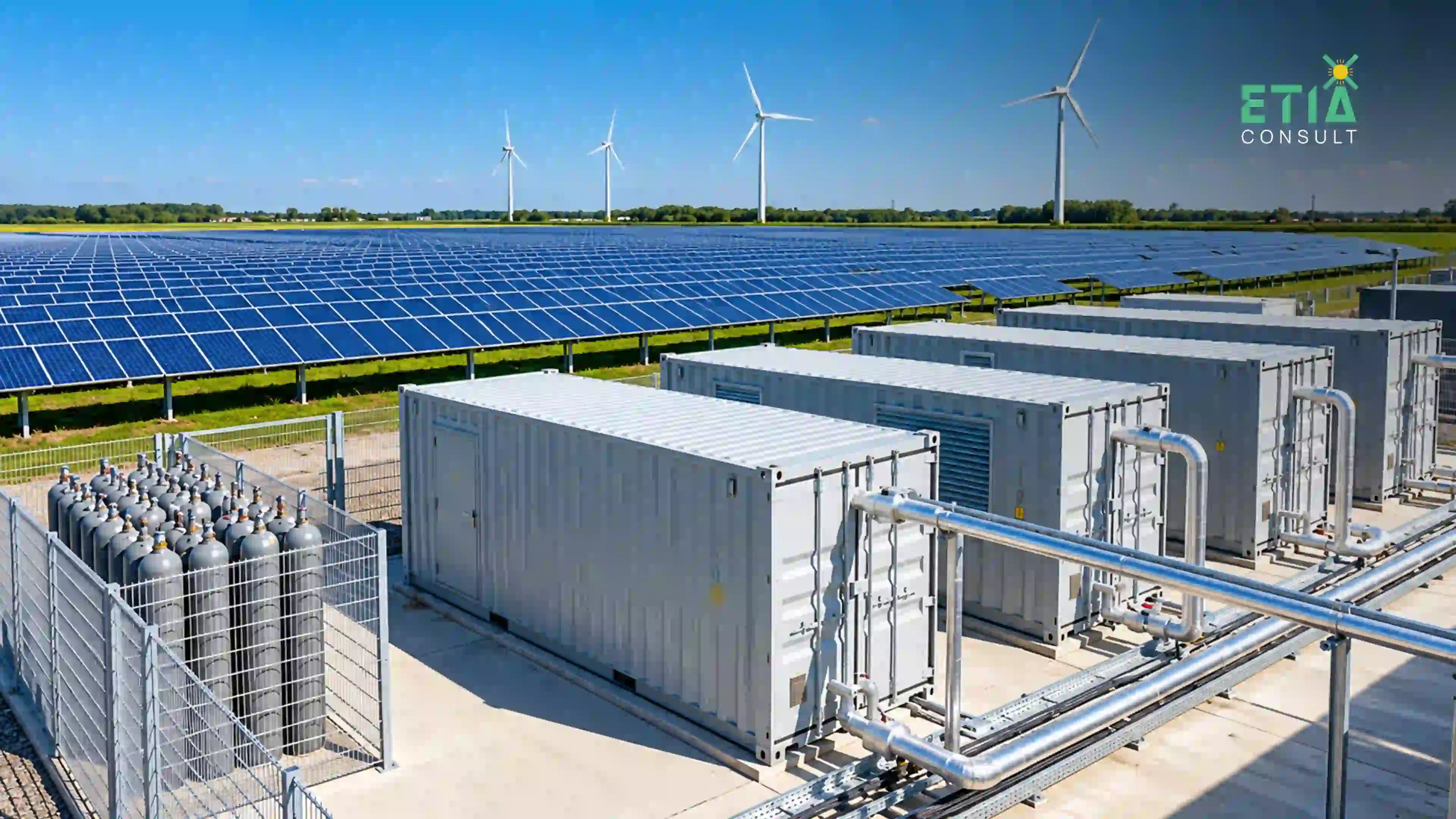
Battery storage, smart grids, digital monitoring, hydrogen technologies, and AI-powered energy management transforming reliability, efficiency, and flexibility across the energy value chain.
Renewable Energy Adoption Continues to Accelerate
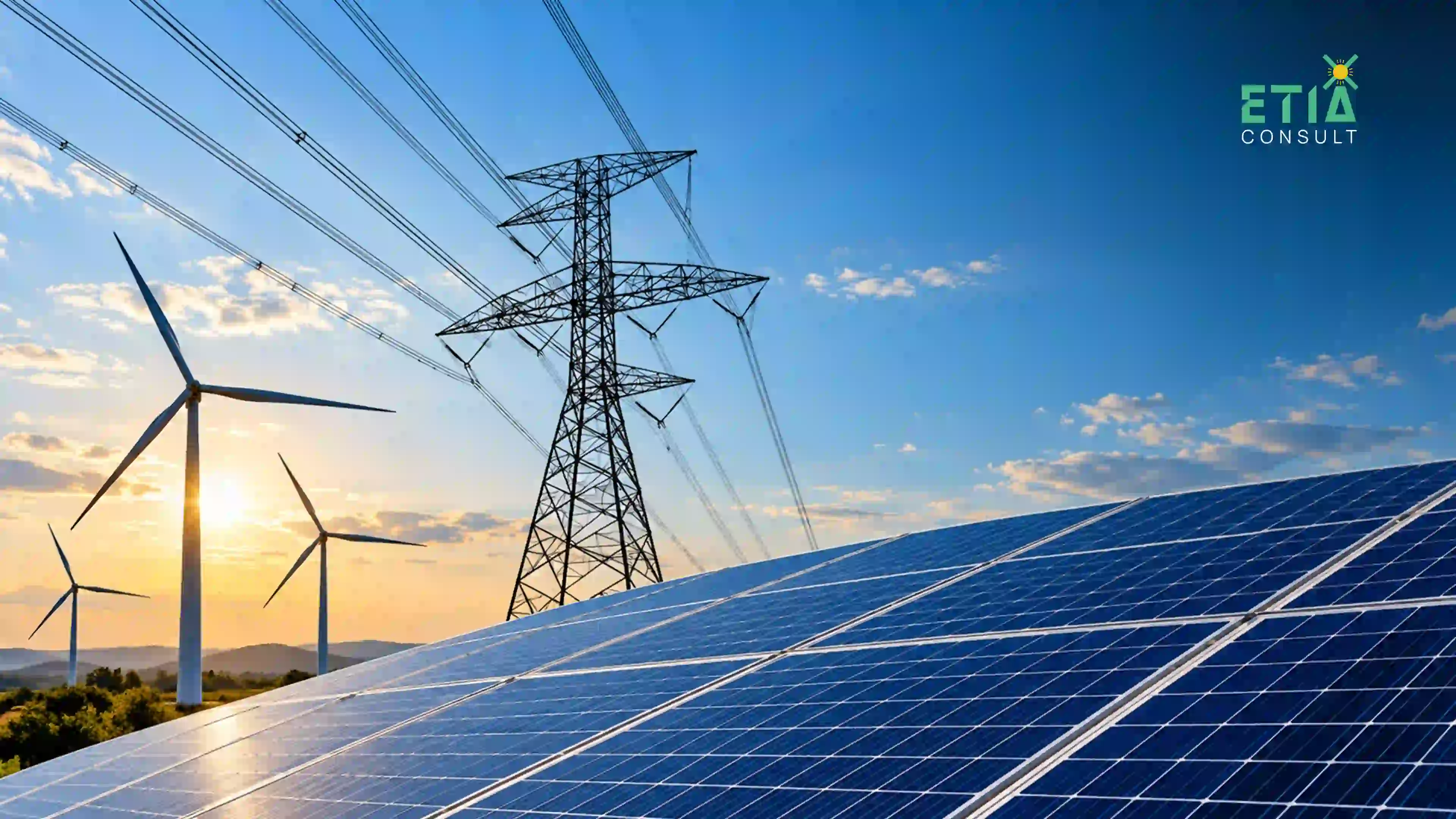
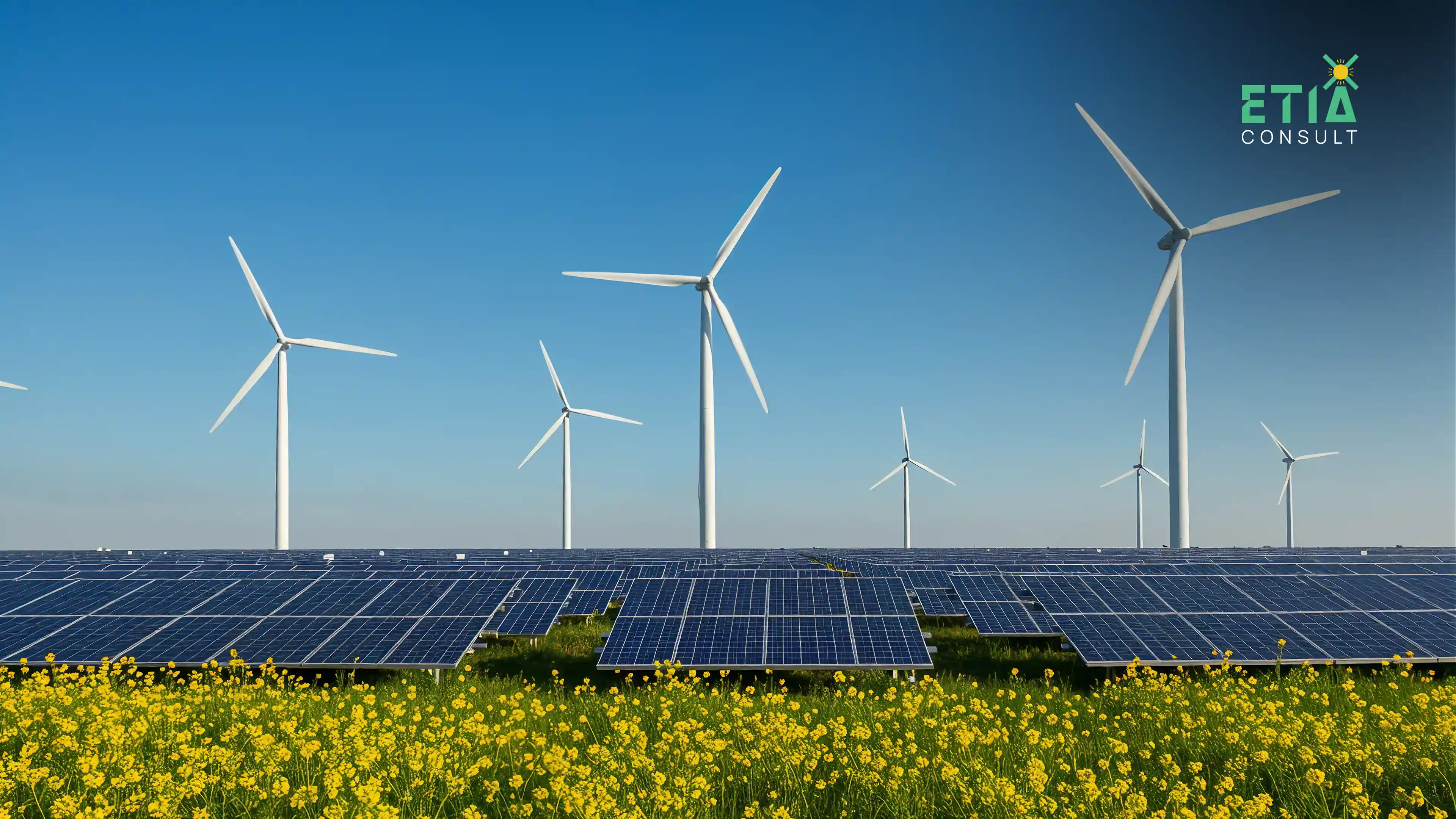
One of the most visible and consequential changes is the rapid renewable energy adoption across residential, commercial, and industrial sectors. Solar, wind, hydropower, and other renewable energy sources are becoming increasingly accessible due to technological improvements and dramatically declining production costs — making clean energy the economically competitive choice across an expanding range of markets and applications.
Businesses are investing in renewable energy not only to reduce emissions but also to improve long-term energy security and cost stability. Growing renewable capacity is helping nations diversify their energy mix while reducing dependence on fossil fuel imports — a strategic resilience benefit that became acutely visible during the energy supply disruptions of 2022 and 2023, and continues to drive policy and corporate investment decisions into 2026 and beyond. This momentum is tracked in detail by the IEA Renewables outlook and connects directly to ETIAconsult’s advisory on what sustainable energy means for organizations.
Key Drivers of Renewable Energy Adoption
Technological Advancements
Improved solar panels, next-generation wind turbines, advanced energy storage systems, and grid management software are making renewable energy more practical, reliable, and cost-effective than at any previous point in the technology’s development. The cost curve for solar PV in particular has defied all early projections — falling 90% over the past decade and continuing to decline.
Government Support and Policy Frameworks
Policies, incentives, carbon pricing, and investment programs — including the EU Green Deal, REPowerEU, and national renewable energy auctions — continue to encourage businesses and communities to adopt cleaner energy solutions at scale. Regulatory frameworks like the EU Emissions Trading System are making fossil-based energy progressively more expensive, accelerating the commercial logic of renewables.
Corporate Sustainability Commitments
Many organizations are incorporating renewable energy into their operations as part of broader ESG frameworks and Corporate Sustainability 2.0 strategies — driven equally by investor expectations, customer demands, and the regulatory requirements of CSRD, CSDDD, and the EU Taxonomy that define what qualifies as sustainable economic activity.
Successful energy transitions are driven by a combination of innovation, policy support, and long-term investment — rather than relying on any single technology or mechanism. Organizations that align all three accelerators simultaneously achieve transition outcomes that are faster, more cost-effective, and more resilient than those relying on regulatory pressure alone.
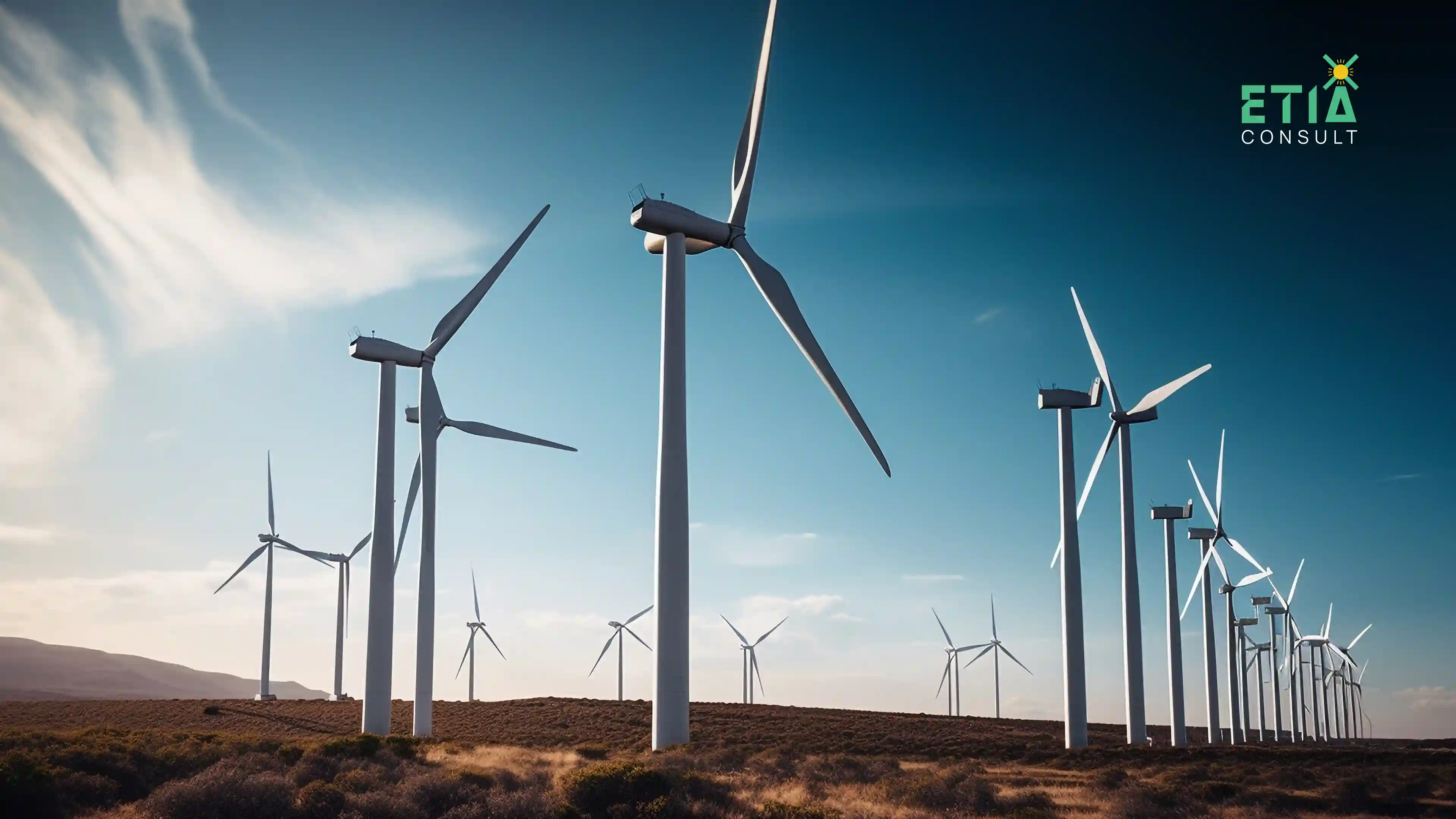
Sustainable Energy Is Becoming a Core Business Priority
Organizations are integrating sustainable energy into their long-term business strategies rather than treating it as a standalone environmental initiative or reporting exercise. Energy efficiency programmes, cleaner production methods, and responsible resource management are becoming essential components of corporate sustainability strategies — driven by investor expectations, regulatory mandates, customer demands, and the competitive dynamics of markets where ESG performance increasingly influences commercial opportunity.
By adopting sustainable energy practices, businesses can strengthen operational resilience while meeting growing stakeholder expectations from multiple directions simultaneously. According to UN PRI research, organizations with credible sustainable energy strategies consistently demonstrate better access to capital, lower cost of debt, and stronger long-term shareholder returns — making sustainability a financial argument as much as an environmental one. ETIAconsult’s sustainable finance advisory directly supports organizations in building this connection between sustainability performance and capital market advantage.
Energy Efficiency Programmes
Systematic identification and elimination of energy waste across operations — reducing both costs and emissions while improving the environmental performance metrics that sustainability reporting requires organizations to disclose under CSRD.
Cleaner Production Methods
Redesigning production and operations to minimize environmental impact — from fuel switching and process electrification to circular economy practices that reduce material waste and extend asset value.
Supply Chain Responsibility
Extending sustainable energy requirements upstream and downstream — managing Scope 3 emissions, supplier renewable energy procurement, and value chain ESG performance under CSDDD due diligence obligations. See ETIAconsult’s guide to upstream sustainability data accountability.
Investment in Renewable Assets
Direct investment in solar, wind, and green hydrogen infrastructure — locking in competitive energy costs while building the clean energy asset base that regulatory frameworks and investor expectations increasingly require.
Energy Innovation Is Transforming Global Markets
Innovation is at the heart of every successful energy transition. Emerging technologies are helping organizations improve efficiency, reduce operational costs, and build more resilient energy systems across every stage of the value chain. From intelligent energy management platforms to digital monitoring solutions, energy innovation is enabling businesses to make smarter decisions while supporting long-term sustainability objectives.
As markets continue to evolve, organizations that embrace innovation will be better positioned to adapt to changing energy demands and future regulatory requirements — exactly the competitive posture that future-ready energy businesses are systematically building. ETIAconsult’s technology integration advisory helps organizations connect these innovation investments into coherent operational ecosystems rather than isolated technology deployments.
Net Zero Goals Are Accelerating the Energy Transition
Governments and businesses across the globe are setting ambitious net zero goals to reduce greenhouse gas emissions and support long-term climate commitments. Achieving these targets requires far more than switching to renewable power — it involves improving energy efficiency, modernizing infrastructure, strengthening supply chain governance, and adopting cleaner technologies across every stage of the value chain.
The regulatory pressure reinforcing these goals is intensifying. The EU’s Corporate Sustainability Reporting Directive (CSRD) mandates verifiable emissions disclosure for over 50,000 companies. The TCFD framework requires organizations to disclose climate-related financial risks. And the EU ETS is tightening carbon allowance caps — making every tonne of Scope 1 emissions progressively more expensive through 2030.
For businesses, net zero strategies are becoming closely linked with operational resilience, investor confidence, and long-term competitiveness — a strategic alignment that ETIAconsult explores in depth through its 2026 ESG challenges advisory and ESG regulations guidance for energy companies.
How Businesses Are Supporting Net Zero Goals
Investing in Clean Energy
Organizations are increasing direct investments in renewable power — solar, wind, and green hydrogen — to reduce dependence on fossil fuels, lock in competitive energy costs, and build the clean asset base that EU Taxonomy alignment requires.
Improving Energy Efficiency
Upgrading equipment, optimizing operational processes, and systematically reducing energy waste — lowering both emissions intensity and operating costs while improving the operational efficiency metrics that stakeholders scrutinize.
Strengthening Sustainability Strategies
Integrating sustainability objectives into long-term business planning — creating the coherent strategy that data-driven ESG decision making translates from ambition into verifiable, reportable progress.
Workforce and Capability Development
Building the internal expertise — in sustainability management, data analytics, clean technology, and regulatory compliance — that makes net zero strategy executable rather than aspirational. The talent dimension of transition that organizations consistently underestimate.
Net zero goals are no longer just environmental commitments — they are becoming essential drivers of innovation, investor confidence, regulatory positioning, and long-term business growth. Organizations that act early gain the most: lower transition costs, stronger regulatory relationships, better capital terms, and the credibility that stakeholders increasingly use to differentiate partners and suppliers.
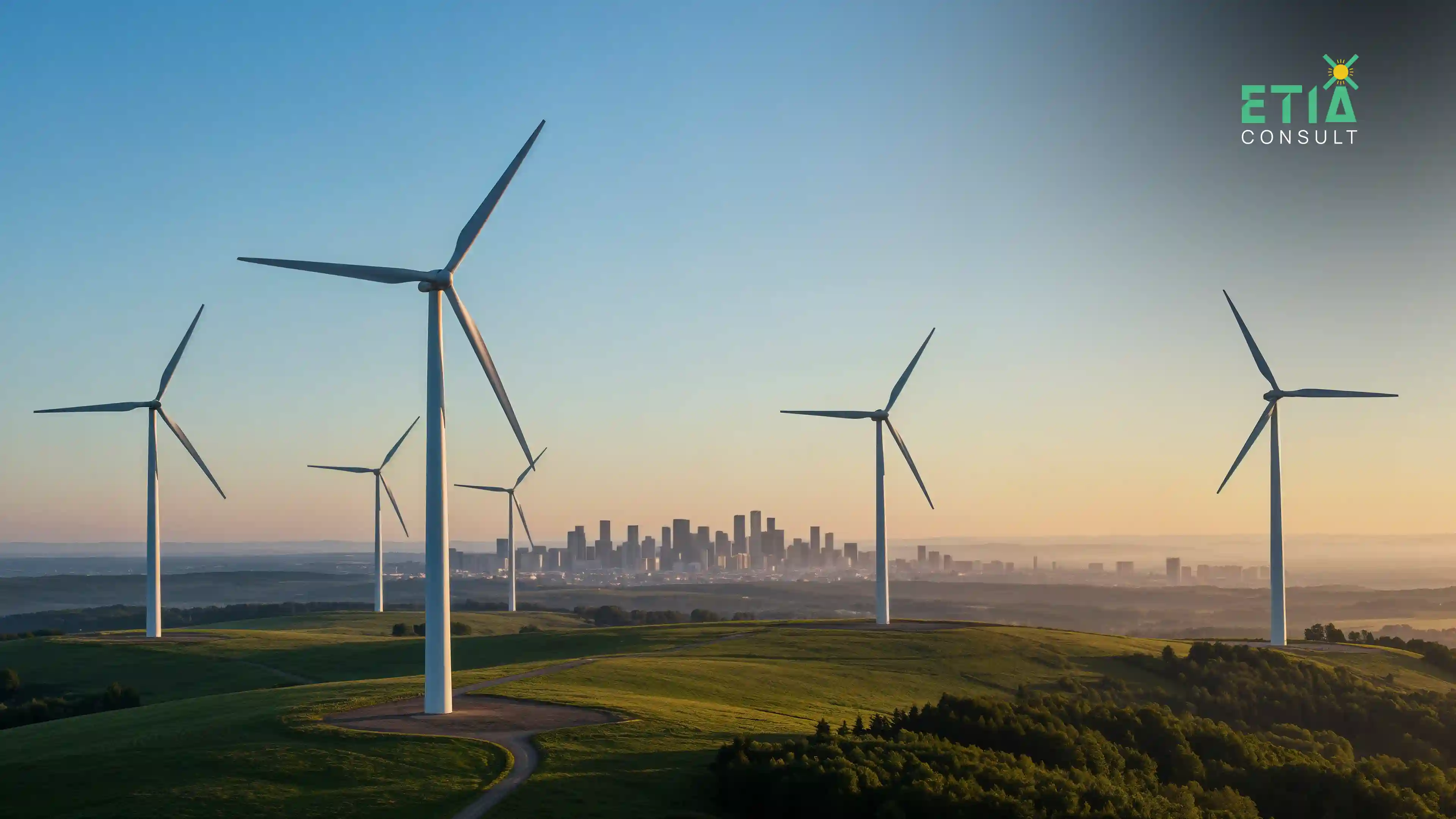
Building a Clean Energy Future Through Collaboration
The transition toward a clean energy future depends on continuous collaboration between governments, businesses, technology providers, and investors. While renewable energy plays a central role, long-term success also relies on innovation, supportive policies, modern infrastructure, and the cross-sector partnerships that scale solutions from pilot projects to system-wide transformation.
Advancements in battery storage, smart grids, hydrogen technologies, and digital energy management are helping create more reliable and flexible energy systems. These developments allow businesses to improve efficiency while supporting sustainable economic growth — the dual objective that the GRI Sustainability Reporting Standards and TCFD climate framework are designed to make transparent and accountable to stakeholders.
As industries continue to evolve, organizations that embrace innovation will be better prepared to respond to changing market conditions and future energy demands — a principle at the core of ETIAconsult’s future-ready energy business framework and the digital transformation advisory that connects technology investment to operational performance improvement.
Challenges and Opportunities Ahead
The global energy transition presents significant opportunities, but it also comes with structural challenges that require careful planning, investment, and cross-sector collaboration to resolve. Organizations that plan for both dimensions — rather than treating transition as a straightforward technology deployment — will be far better prepared to capitalize on the upside while managing the complexity.
- Infrastructure development — expanding renewable energy requires continued investment in transmission networks, storage systems, and grid modernization that current infrastructure cannot support at the required scale
- Policy alignment — clear and consistent regulations are essential for encouraging the long-term investment that accelerates market transformation without creating stranded asset risk
- Workforce development — the transition creates demand for new technical skills and specialized expertise that European labour markets are currently undersupplying relative to industry needs
- Supply chain constraints — critical minerals, components, and installation capacity creating bottlenecks that could slow renewable deployment below the pace needed to meet 2030 targets
- Grid stability management — integrating high shares of variable renewable generation into systems designed for dispatchable fossil generation requires significant investment in flexibility and balancing
- Increased investment in renewable energy projects and clean infrastructure — mobilizing record levels of private and public capital toward transition assets
- Growth in sustainable infrastructure development across generation, storage, transmission, and distribution segments
- Greater collaboration between public and private sectors creating new partnership models and blended finance structures
- Expansion of clean technology and energy innovation across hydrogen, storage, smart grids, and digital platforms
- New employment opportunities across the sustainable energy ecosystem — from installation and manufacturing to analytics, policy, and advisory
- First-mover advantages for organizations that build transition capability ahead of regulatory deadlines and competitive necessity
Organizations that view the energy transition as a long-term business strategy rather than a compliance requirement are significantly more likely to create lasting value — converting regulatory pressure into competitive advantage through earlier, better-designed capability investment.
Key Takeaways for Energy Organizations in 2026
The global energy transition is not approaching — it has arrived. Organizations across every sector are navigating its implications right now, and the strategic decisions made in the next two to three years will determine competitive positioning for the decade that follows.
- Energy transition trends are reshaping industries, investment decisions, and global economic growth — creating both urgency and opportunity for organizations that act strategically
- Renewable energy adoption continues to accelerate as technologies become more efficient, costs continue falling, and policy frameworks make clean energy the default commercial choice
- Sustainable energy is becoming a core strategic priority for businesses seeking resilience, capital access, regulatory confidence, and long-term competitiveness
- Net zero goals are encouraging — and increasingly requiring — organizations to modernize operations, reduce carbon emissions, and improve ESG governance across the full value chain
- Continuous energy innovation in storage, smart grids, hydrogen, AI, and digital platforms is supporting development of a more resilient and clean energy future
- Organizations that invest in the full capability stack — strategy, technology, data, governance, and talent — build transition advantages that are very difficult for competitors to replicate quickly
ETIAconsult supports European energy organizations across every dimension of this transition — from decarbonization solutions and sustainable energy solutions to technology integration and strategic consulting that aligns transition ambition with commercial reality.
Frequently Asked Questions
Key questions on energy transition trends, renewable adoption, and net zero goals
Ready to Build Your Energy
Transition Strategy?
ETIAconsult helps European energy organizations design and execute energy transition strategies — from renewable energy integration and decarbonization roadmaps to sustainable energy solutions, ESG governance, and digital transformation advisory.