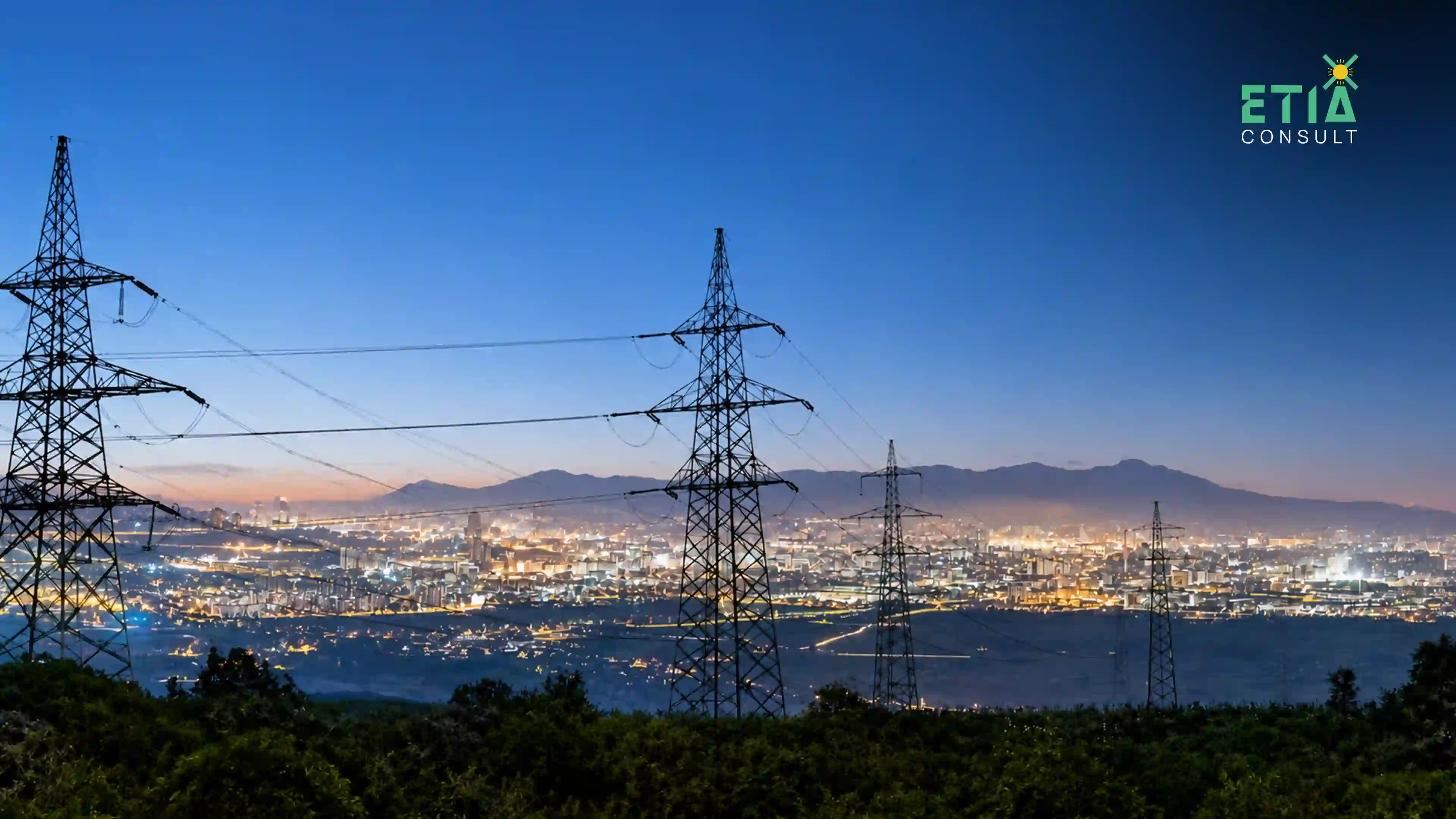


Commodity and energy trading has always been shaped by information. Traders who could interpret market signals quickly and accurately gained a competitive advantage. Today’s trading environment is far more complex than it was even a decade ago — global supply chains, geopolitical developments, weather events, regulatory changes, and fluctuating demand all move prices, often within minutes. AI in energy trading is creating meaningful change by helping firms process vast datasets, recognize patterns, and forecast market movements at a speed traditional methods cannot match — enhancing human expertise rather than replacing it.
Why Artificial Intelligence Matters in Modern Trading
The commodity and energy sectors generate enormous amounts of data every day. Price fluctuations, weather forecasts, shipping schedules, production reports, satellite imagery, and financial indicators all contribute to market dynamics. For traders, the challenge is not accessing information — it is interpreting it quickly enough to act.
Artificial intelligence addresses this challenge by identifying meaningful relationships within complex datasets. Machine learning models continuously improve as they analyze new information, allowing trading teams to respond more confidently to changing market conditions rather than relying solely on historical trends or intuition.
Organizations that incorporate data-driven insights into every stage of the trading process are better positioned to act on information rather than simply access it.
The Growing Complexity of Energy Markets
Today’s energy markets are influenced by a wide range of interconnected factors. Artificial intelligence helps organizations monitor these variables simultaneously, providing a more comprehensive understanding of market conditions than traditional analysis alone.
- Renewable generation & weather
- Oil & gas geopolitical shifts
- Seasonal electricity demand
- Regulatory & environmental policy
- Shipping & logistics disruption
- Currency & financial indicators
AI Improves Market Forecasting Through Predictive Analytics
Forecasting has always been central to successful commodity trading. However, conventional forecasting models often struggle when markets become highly volatile. AI-powered predictive systems analyze historical pricing data alongside real-time information from multiple sources, identifying relationships that may not be immediately visible through manual analysis.
Better Demand and Supply Forecasting
Accurate supply and demand projections help trading organizations optimize purchasing strategies, inventory planning, and contract management. Artificial intelligence continuously updates forecasts as new information becomes available — unexpected weather events affecting renewable generation or agricultural production can be incorporated into predictive models almost immediately.
AI-powered predictive systems don’t just add speed — they add flexibility, letting organizations adapt forecasts in near real time rather than waiting for the next scheduled model update.
Commodity Trading Technology Is Becoming More Intelligent
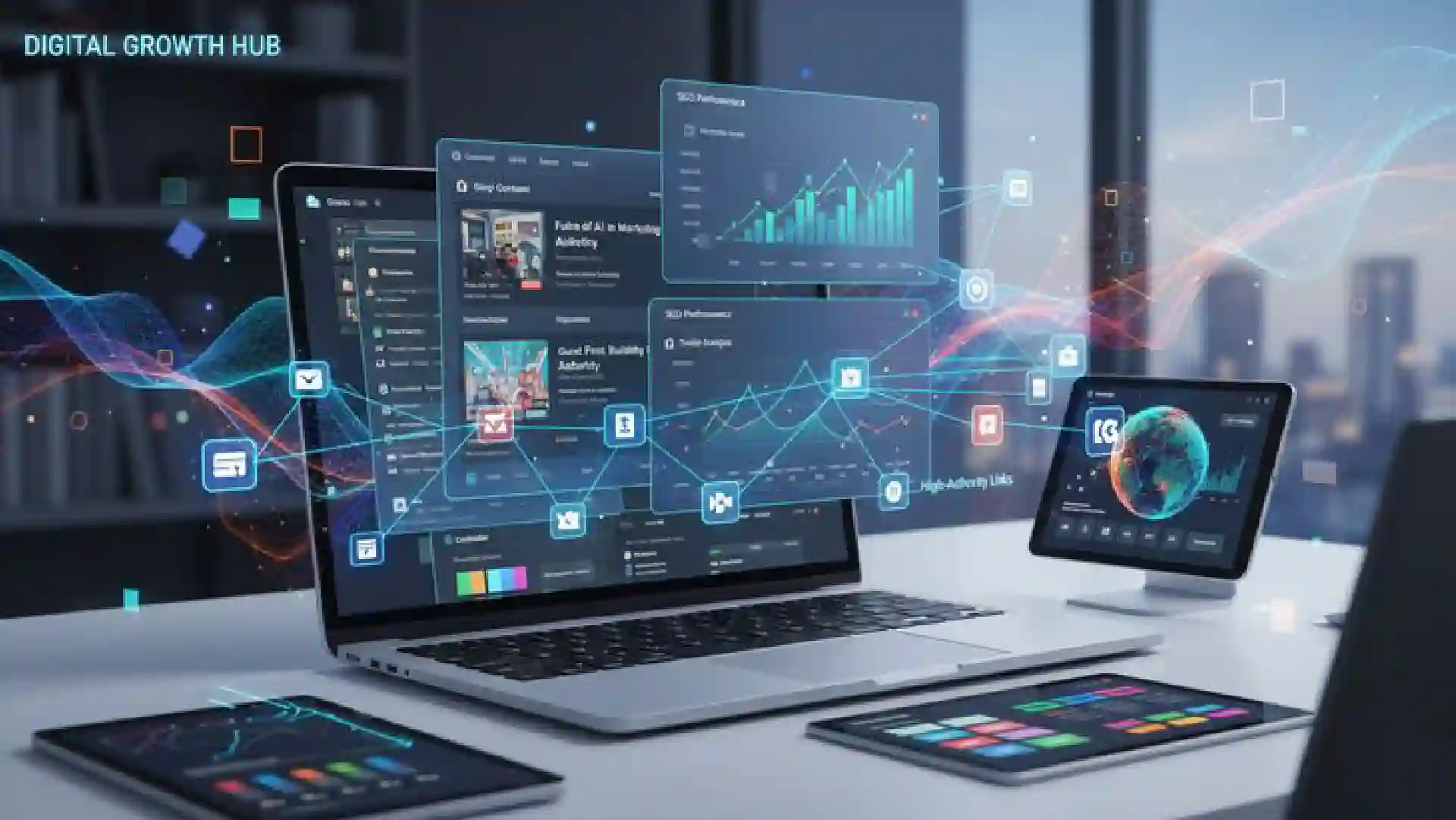
The rapid evolution of commodity trading technology extends far beyond faster computers. Modern trading platforms increasingly integrate artificial intelligence into core business functions — enhancing existing infrastructure rather than replacing it.
Smarter Risk Assessment
Risk management remains one of the most important aspects of commodity trading. Artificial intelligence strengthens this process by evaluating market volatility, currency movements, transportation disruptions, political developments, and supply chain events simultaneously — giving firms the opportunity to prepare for potential challenges before they significantly affect operations, rather than reacting after disruptions occur.
Trading Automation Is Improving Operational Efficiency
Many routine activities that previously required manual effort can now be completed automatically through AI-supported systems. Trading automation allows professionals to dedicate more time to strategic decision-making instead of routine operational responsibilities.
- Monitoring price movements across markets in real time
- Generating market alerts as conditions shift
- Processing large datasets from multiple sources
- Executing predefined trading strategies
- Producing compliance reports on schedule
- Managing repetitive administrative tasks
Importantly, most organizations continue to maintain human oversight for significant trading decisions, ensuring that technology supports rather than replaces experienced professionals.
Faster Responses to Market Changes
Financial markets often react within seconds to breaking developments. Artificial intelligence enables trading systems to analyze new information almost immediately — whether responding to supply disruptions, economic announcements, or changing weather forecasts. Speed becomes particularly valuable in highly competitive trading environments where timing directly influences profitability.

AI-Powered Trading Supports Better Decision Making
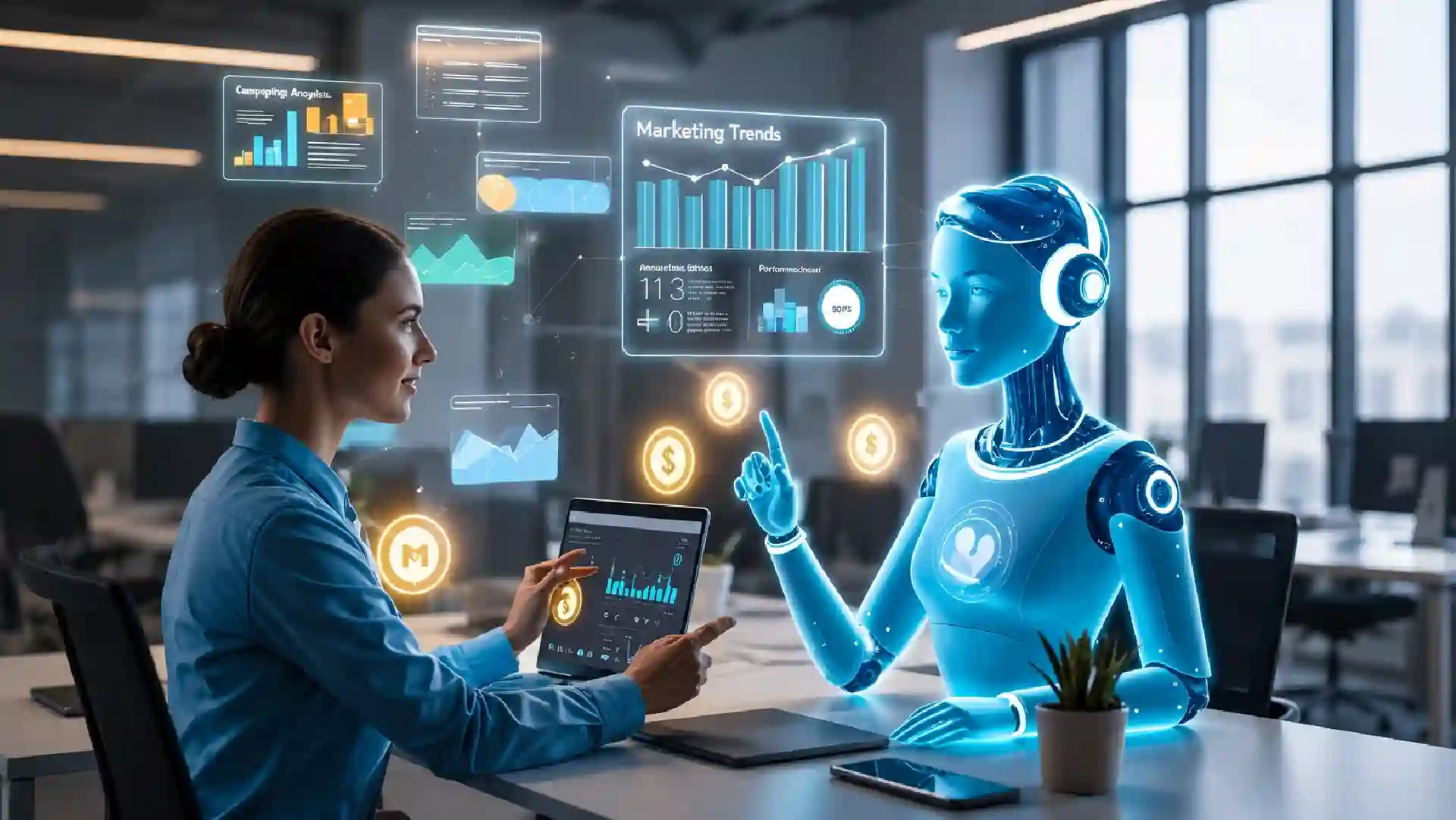
The increasing adoption of AI-powered trading reflects a broader shift toward intelligent decision support rather than fully autonomous trading. Artificial intelligence excels at processing large datasets and identifying statistical patterns; human professionals contribute strategic thinking, industry expertise, ethical judgment, and contextual understanding. Together, these strengths create more balanced decision-making processes.
AI Identifies Patterns
Surfacing emerging pricing trends and statistical relationships across enormous datasets in near real time.
Traders Add Context
Evaluating broader geopolitical and strategic implications before acting on AI-generated signals.
Continuous Learning
Machine learning models refine forecasting capability over time by learning from previous market outcomes.
Collaborative Decisions
Combining data-driven insight with experienced judgment for more resilient trading outcomes.
As market complexity increases, learning systems become increasingly valuable — enabling trading organizations to adapt more effectively to changing market behavior and evolving economic conditions.
Artificial Intelligence Enhances Sustainability & Compliance
Sustainability has become an important priority within the energy sector. Artificial intelligence contributes by helping organizations optimize energy production, reduce operational waste, and improve resource allocation.
Supporting Regulatory Compliance
Commodity and energy markets operate within complex regulatory frameworks. Artificial intelligence assists organizations by monitoring transactions, identifying unusual trading activity, and supporting compliance reporting — reducing administrative burdens while helping firms maintain accurate documentation and respond efficiently to evolving regulatory requirements.
Challenges That Still Require Human Expertise
Although artificial intelligence offers significant advantages, it is not without limitations. AI systems depend on high-quality data — incomplete, outdated, or inaccurate information may reduce forecasting reliability. Market behavior can also be influenced by unexpected geopolitical developments, natural disasters, or policy decisions that historical data alone cannot fully predict.
Successful organizations combine advanced technology with knowledgeable analysts who evaluate broader economic conditions and apply sound judgment when making important trading decisions.
Preparing for the Future of Intelligent Trading
Artificial intelligence will likely continue expanding across commodity and energy trading over the coming years. Organizations investing in digital infrastructure, skilled professionals, and responsible AI implementation will be better positioned to respond to future market developments.
Rather than viewing AI as a replacement for human expertise, forward-looking firms increasingly recognize it as a powerful decision-support tool that enhances efficiency, improves forecasting, and strengthens long-term competitiveness. ETIAconsult supports energy and commodity trading organizations in the Netherlands and across the EU through risk management and technology integration advisory services built around this balance of AI-driven insight and experienced oversight.
Frequently Asked Questions
Key questions on AI in commodity and energy trading
Turn AI Into a Trading &
Risk Management Advantage
ETIAconsult helps commodity and energy trading organizations apply AI-powered forecasting, automation, and risk management responsibly — with experienced oversight built in.