


The global energy industry operates in an environment where market conditions can change rapidly. Fluctuating commodity prices, evolving regulations, geopolitical developments, changing demand patterns, and increasingly complex supply chains require organizations to make informed decisions with speed and accuracy. Managing these variables through spreadsheets or disconnected software is no longer practical for businesses operating at scale. This is where ETRM System Solutions have become indispensable — providing the integrated platform that transforms complex energy trading operations into structured, data-driven, and risk-controlled workflows.
What Are ETRM System Solutions?
ETRM System Solutions are specialised software platforms designed to support the complete lifecycle of energy trading. They combine trading, scheduling, logistics, contract management, accounting, reporting, and risk management into a single integrated environment — replacing the fragmented application landscapes that most growing energy organizations inherit.
Unlike general business software, ETRM platforms are specifically developed to address the unique challenges of energy and commodity markets. They help organizations capture trade data, monitor market positions, calculate profit and loss, assess financial exposure, and ensure regulatory compliance within a single governed data environment. Rather than relying on separate departments using disconnected tools, businesses gain access to centralized information that fundamentally improves visibility and decision quality — exactly what operational efficiency in energy trading requires at its core.
Organizations that invest in well-designed ETRM systems are not simply adopting new software. They are strengthening operational resilience, improving transparency, and building the technological foundation needed to compete in an increasingly dynamic global energy market where speed and data quality determine commercial outcomes.
Why Modern Energy Companies Need ETRM System Solutions
Energy markets have become increasingly dynamic. Companies must process large volumes of market information while responding quickly to changing prices, customer demand, transportation constraints, and regulatory requirements. The IEA’s digitalization research consistently identifies information management as the critical capability gap separating high-performing energy organizations from those still operating at analog speeds in a digital market.
Manual processes increase the likelihood of delays, data inconsistencies, and operational errors that compound in cost and risk as trading volumes grow. ETRM systems reduce these risks by automating workflows, improving data accuracy, and providing real-time access to trading information across the organization. The result is greater efficiency and better operational control — the twin foundations of reduced operational complexity in energy trading.
Speed and Accuracy Under Pressure
Energy markets often move faster than manual processes can follow. ETRM systems provide real-time data access that enables trading teams to respond to market developments — capturing opportunities and managing risk exposures with the speed that commercial success in modern energy markets demands.
Risk Visibility Across the Full Portfolio
Without integrated systems, risk managers see only fragments of total exposure. ETRM platforms aggregate positions, counterparty exposures, and market risks into a comprehensive view — enabling the proactive energy risk management that prevents costly surprises.
Regulatory Compliance Architecture
Energy trading operates within highly regulated environments. ETRM systems automatically record trading activity, maintain audit trails, and generate the REMIT, EMIR, and EU ETS compliance reports that regulators require — reducing the deadline risk and error exposure of manual compliance processes.
Cross-Departmental Coordination
When trading, operations, finance, risk, and management teams all work from the same integrated data environment, communication improves and operational delays reduce — eliminating the handoff friction that slows down every manual cross-departmental process.
Core Functions of an ETRM System Solutions
Although individual ETRM platforms vary in functionality, most comprehensive solutions include several essential capabilities that together cover the complete trade lifecycle. Understanding these functions helps organizations evaluate which platform capabilities they need and how they connect to their specific operational requirements.
Trade Capture
Records every transaction accurately at the point of execution — covering all commodity types, products, tenors, and counterparties with the data quality that downstream settlement and reporting depend on.
Position Management
Provides real-time visibility into market exposure across all books, portfolios, and commodity positions — replacing the dangerous lag of end-of-day manual position compilation with continuous, automated aggregation.
Risk Analysis
Evaluates market risk (VaR, stress testing), credit risk (counterparty exposure), and operational risk using current trading data — enabling proactive risk management rather than reactive incident response.
Scheduling
Coordinates physical delivery logistics including nominations, confirmations, and balancing — connecting the commercial trading position to the operational reality of actual energy delivery.
Settlement
Manages invoicing, payment processing, and financial reconciliation — automating the settlement cycle that in manual environments consumes significant operations team capacity and generates frequent discrepancies.
Reporting
Generates business intelligence for management and regulatory purposes — from real-time P&L dashboards and portfolio performance analysis to REMIT, EU ETS, and EMIR compliance reports required by regulators.
Together, these functions create a comprehensive framework that supports both commercial and operational teams — eliminating the information gaps and handoff delays that characterize fragmented technology environments. This is the integration architecture that technology integration for energy enterprises is specifically designed to build and maintain.
Energy Trading Software Improves Operational Efficiency
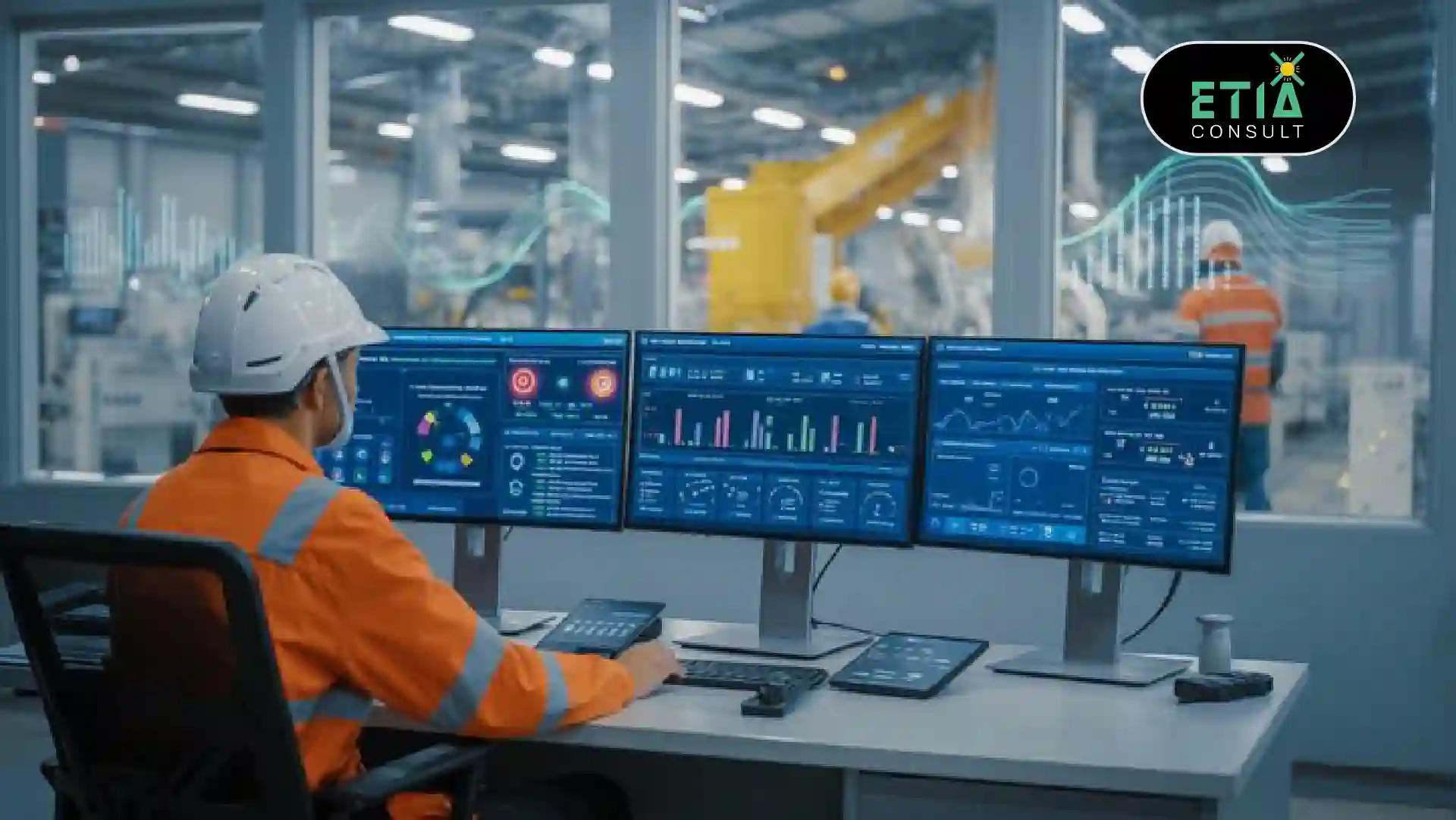
Modern energy trading software extends well beyond executing market transactions. It supports collaboration between traders, risk managers, finance teams, logistics personnel, and compliance specialists — creating the shared information environment that enables every function to work from a single source of operational truth.
When departments share the same information, decision-making becomes faster and more accurate. Automated workflows reduce repetitive administrative tasks while minimizing manual data entry — directly reducing the error rates that manual processes generate and the operational costs they accumulate. This is the operational improvement dynamic that ETIAconsult details in its operational efficiency in energy trading guide.
Real-Time Market Visibility
Real-time access to pricing information, positions, contracts, and exposure allows trading teams to respond confidently to market movements. Instead of waiting for manually prepared reports, decision-makers evaluate current market conditions as they develop — turning information speed into commercial advantage.
Cross-Team Collaboration
Traders, risk managers, operations, finance, and compliance specialists working from shared, real-time data — reducing the information lag, miscommunication, and reconciliation overhead that fragment team performance in disconnected environments.
Workflow Automation
Automated confirmations, position updates, settlement calculations, and compliance reports — replacing the manual processing cycles that consume operations team capacity and introduce error risk at every handoff point in the trade lifecycle.
Centralized Data Governance
A single source of truth for all trade, position, and risk data — eliminating the conflicting versions of reality that parallel systems create and providing the audit trail that regulatory compliance and internal governance require. This connects directly to data-driven strategy principles across the enterprise.
Risk Management Solutions Support Better Decisions
Managing uncertainty remains one of the most important responsibilities within energy trading. Price volatility, supply disruptions, transportation delays, currency fluctuations, and regulatory changes all introduce potential risks that can significantly affect commercial outcomes. Modern risk management solutions within ETRM platforms help organizations identify, measure, and monitor these exposures continuously — rather than discovering problems after they have already crystallized into losses.
Advanced analytics calculate market risk, credit risk, operational risk, and portfolio performance using current trading information. Rather than reacting after problems occur, businesses can evaluate potential scenarios before making significant trading decisions — the forward-looking risk intelligence that distinguishes sophisticated trading organizations from reactive ones. ETIAconsult’s energy risk management advisory is built entirely around this proactive intelligence principle.
Supporting Trading Operations Across the Business
Efficient trading operations require coordination between multiple business functions that must work together with minimum friction and maximum information quality. An integrated ETRM platform connects these departments through shared information and standardised workflows — creating the operational alignment that drives both speed and accuracy.
Trading Teams — Deal Execution and Strategy
Traders benefit from real-time market data access, accurate position visibility, and fast trade capture — enabling better commercial decisions and faster response to price signals in volatile energy markets.
Operations Teams — Logistics and Scheduling
Operations teams coordinate physical delivery, nominations, and scheduling from the same data environment as traders — eliminating the communication gaps and manual verification cycles that delay nominations and create costly operational errors.
Finance Teams — Settlement and Financial Reporting
Finance accesses accurate, real-time P&L and settlement data without waiting for manual extracts from trading systems — reducing month-end close cycles and improving the reliability of financial reporting across the energy organization. ETIAconsult’s enterprise system integration work consistently delivers significant finance team efficiency gains.
Risk Teams — Exposure Monitoring
Risk managers monitor total portfolio exposure in real time — with automated alerts for limit breaches and counterparty threshold violations that enable rapid response before small exposures become large liabilities.
Management — Performance Intelligence
Executives access comprehensive portfolio performance analysis, profitability attribution, and strategic KPI dashboards — replacing the manually compiled management packs that arrive too late to inform the decisions they are intended to support.
Automation significantly reduces operational errors — the duplicate records, incorrect pricing, missed settlements, and delayed reporting that manual data entry generates. This allows employees to focus on higher-value analytical work rather than repetitive administrative tasks, multiplying both the individual and organizational return on ETRM investment.
Commodity Management Becomes More Streamlined
Although ETRM solutions primarily serve energy markets, many organizations use them for broader commodity management activities. Companies trading agricultural products, metals, emissions credits, or other commodities often require similar capabilities — and modern ETRM platforms increasingly support multi-commodity environments within a single operational framework.
Power and Natural Gas
Complex scheduling requirements, capacity management, balancing obligations, and EU ETS compliance — the core use case for ETRM in European energy markets where EU ETS carbon accounting increasingly intersects with physical trading operations.
Oil and Refined Products
Complex logistics, storage management, quality specifications, pricing differentials, and cross-border transportation requirements that demand the contract management sophistication that specialist ETRM platforms provide.
Renewable Energy
Certificate tracking, renewable obligation management, green hydrogen contracts, and the integration of intermittent generation into trading portfolios — a rapidly growing ETRM capability area as sustainable energy penetration increases.
Carbon and Environmental Credits
EUA (European Union Allowance) tracking, verified carbon credit management, and emissions portfolio optimization — increasingly critical as the EU ETS tightens and organizations must manage carbon as a traded commodity alongside physical energy products.
Integrated commodity management enables businesses to monitor multiple trading portfolios within a unified operational framework — improving visibility while simplifying enterprise-wide decision-making. This multi-commodity capability is particularly valuable for organizations managing the portfolio complexity that the energy transition creates, as future-ready energy businesses increasingly trade across conventional, renewable, and carbon markets simultaneously.
Choosing the Right Energy Trading Platform
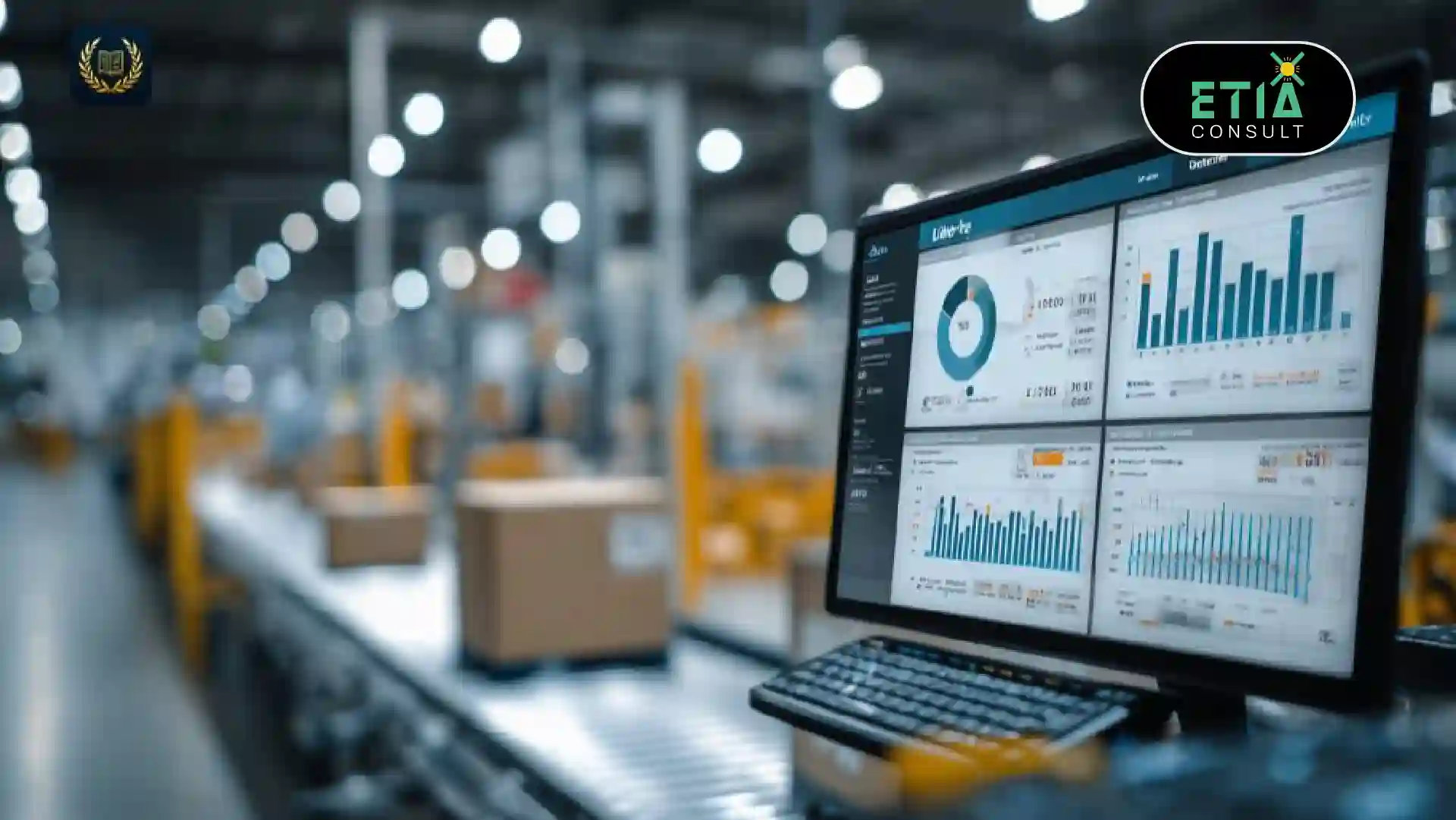
Selecting an appropriate energy trading platform requires careful evaluation. Every organization has unique operational requirements based on the commodities traded, transaction volumes, geographic presence, regulatory obligations, and internal business processes. The most effective platform aligns technology with business objectives rather than forcing organizations to change successful operating practices unnecessarily.
Cloud-Based Solutions Continue to Grow
Many modern ETRM platforms now operate through cloud infrastructure. Cloud deployment offers improved accessibility, simplified software updates, enhanced scalability, and reduced infrastructure maintenance — allowing organizations to implement new capabilities more efficiently while supporting geographically distributed trading teams. This aligns with the broader digital transformation agenda that leading energy companies are executing across all operational systems.
Emerging Trends Shaping ETRM Systems
Technology continues influencing the future of energy trading at an accelerating pace. The ETRM platforms of 2030 will look substantially different from today’s — and organizations that select platforms with open, extensible architectures are best positioned to benefit from emerging capabilities as they mature.
Organizations investing in flexible ETRM solutions today are better positioned for tomorrow’s challenges. Adaptability has become one of the most valuable characteristics of modern trading technology — and the primary reason that platform architecture and vendor roadmap deserve as much evaluation weight as current feature completeness. As the IEA’s clean energy transition research shows, the organizations building digital capability now will define competitive dynamics as energy markets grow more complex.
Frequently Asked Questions
Key questions on ETRM systems, energy trading software, and risk management solutions
Ready to Implement or Optimise
Your ETRM System?
ETIAconsult helps European energy organizations select, implement, integrate, and optimise ETRM platforms — delivering the operational efficiency, risk management capability, and regulatory compliance that modern energy trading demands.