


Energy portfolio management has become essential as energy markets grow more unpredictable. Prices move with changes in supply and demand, weather conditions, geopolitical developments, regulations, infrastructure, and broader economic trends. For organisations that buy, sell, produce, or manage energy, these changes can have a direct impact on financial performance. Managing energy effectively involves far more than monitoring prices — businesses need to understand their assets, contracts, consumption patterns, market exposure, and potential risks before making informed decisions.
What Is Energy Portfolio Management?
Energy portfolio management refers to the process of managing an organisation’s energy-related assets, contracts, transactions, and market exposures as one connected portfolio. Rather than looking at each contract or asset separately, portfolio managers consider how different components interact.
An energy portfolio may include:
- Physical generation assets
- Energy purchase agreements
- Power & gas contracts
- Renewable energy positions
- Storage assets
- Commodity exposures
- Customer demand
- Market positions
The objective is to understand the portfolio as a whole and make decisions that support the organisation’s commercial and strategic goals — buying or selling energy, adjusting positions, forecasting demand, managing contracts, monitoring developments, and controlling exposure to price volatility.

Why Does It Matter?
Energy markets can change quickly, and decisions made without a broader view can create unnecessary exposure. A company may have a favourable position in one area while carrying substantial risk somewhere else — portfolio management helps reveal these relationships.
- Improve decision-making and identify market exposure
- Manage price volatility and optimise available assets
- Balance supply and demand and support financial planning
- Reduce avoidable risks and align trading with business objectives
The goal is not necessarily to eliminate risk — in energy markets, that’s rarely realistic. Instead, the aim is to understand risk clearly and decide how much exposure is appropriate.
Understanding Energy Assets
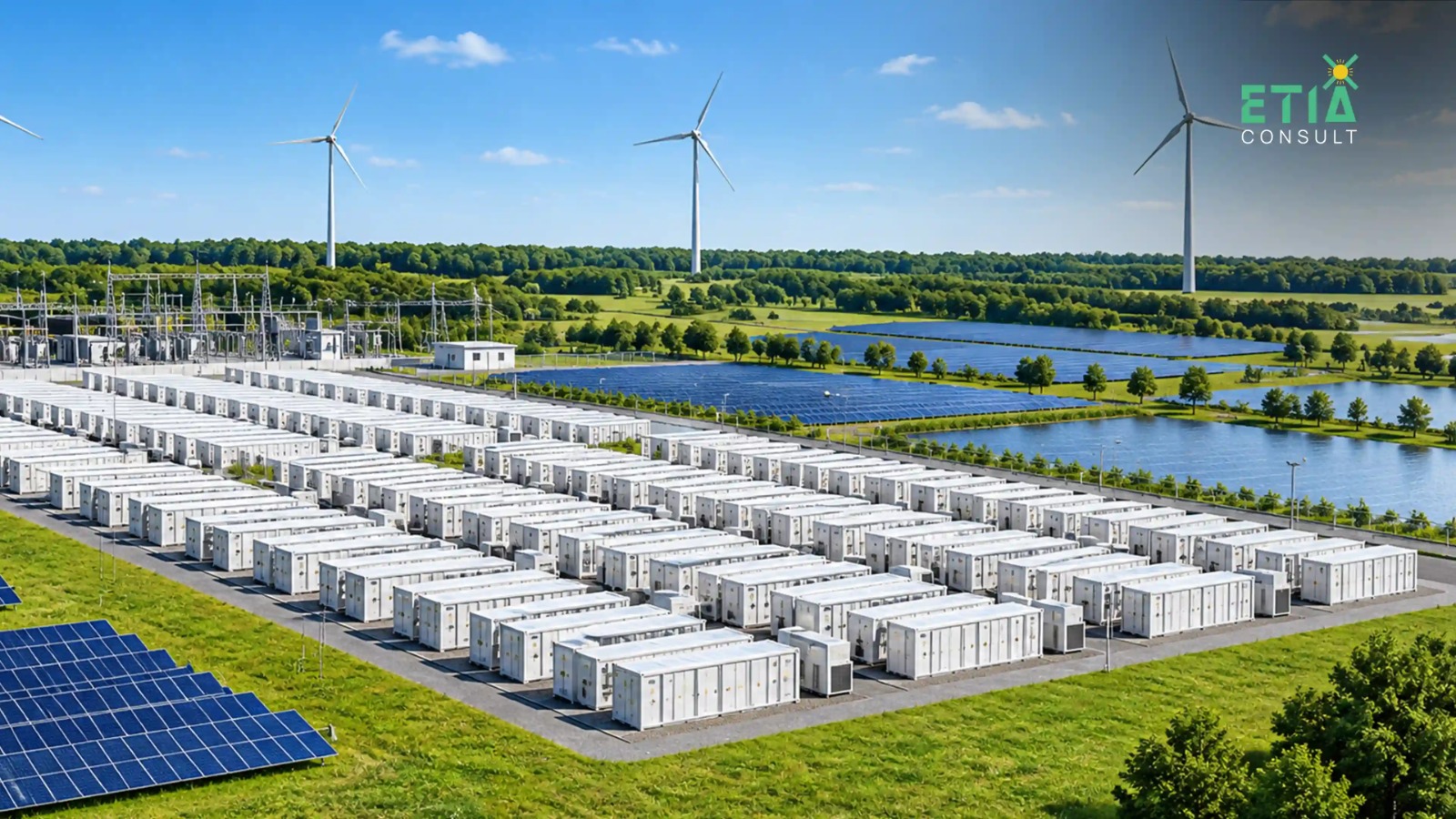
Energy assets are an important part of many portfolios. These may include power plants, renewable generation facilities, battery storage systems, natural gas infrastructure, or other physical resources — each with its own operating characteristics, costs, constraints, and commercial opportunities.
For renewable assets, solar radiation and wind conditions can influence output; for conventional generation, fuel costs and operating constraints often play a larger role. Viewing assets as part of a wider portfolio helps organisations coordinate them more effectively.
The Role of Portfolio Optimization
Portfolio optimization focuses on finding an appropriate balance between expected returns, operational requirements, and risk. In practice, this can involve analysing different combinations of contracts, assets, market positions, and purchasing strategies — for example, whether to secure energy through long-term contracts, maintain greater exposure to spot markets, or use a combination of approaches.
The best solution isn’t always the one with the highest potential return. A strategy with slightly lower expected returns but substantially lower exposure to extreme market movements may be more appropriate for a risk-conscious organisation.
Managing a Commodity Portfolio and Its Risks
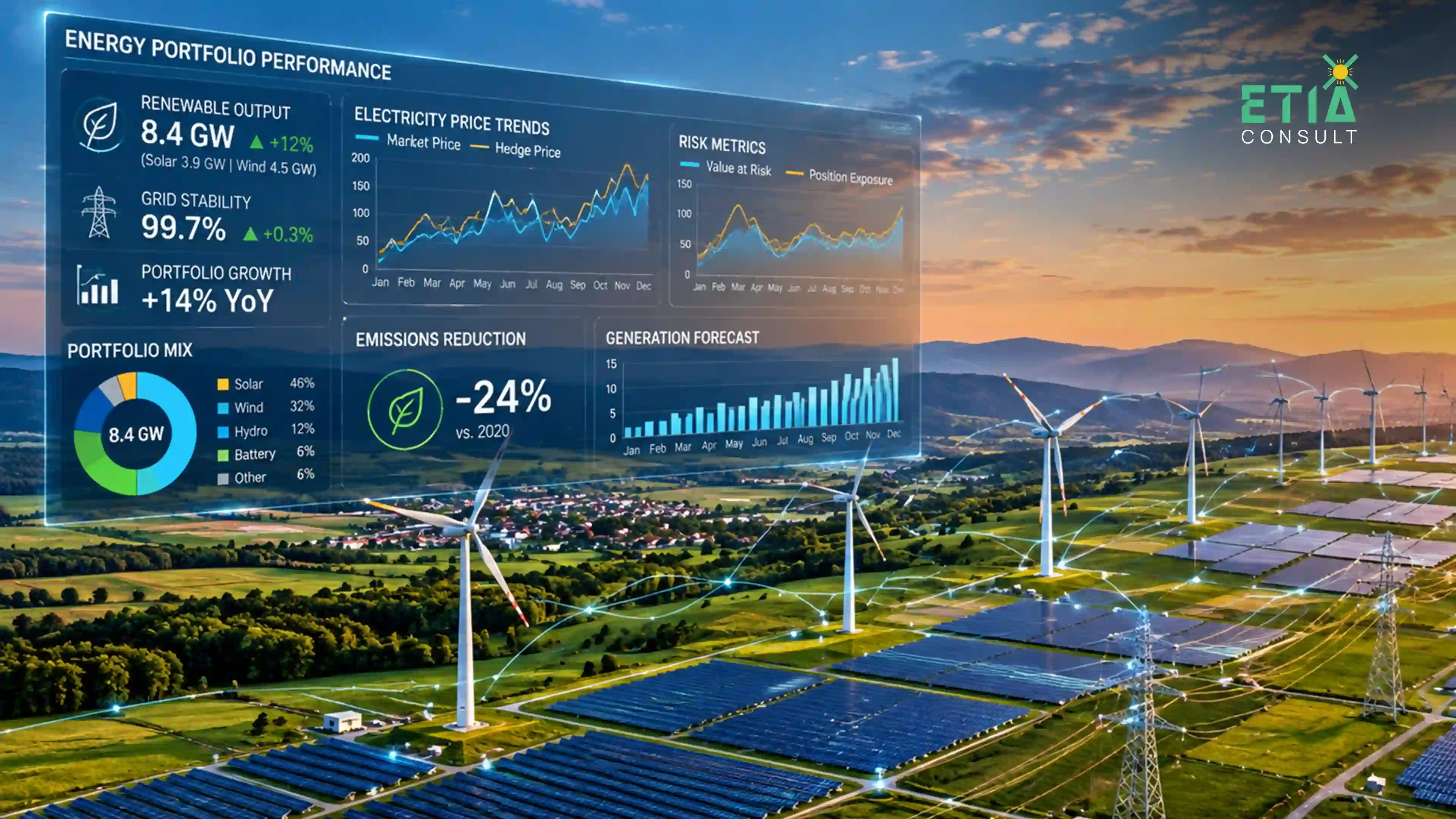
Energy businesses often deal with several interconnected commodities. Electricity, natural gas, oil, emissions allowances, and other commodities can influence one another through production costs and market dynamics — a commodity portfolio therefore requires a broader perspective. Changes in natural gas prices, for example, can affect the economics of gas-fired electricity generation, while changes in emissions pricing can influence generation costs and market behaviour more widely.
Understanding Portfolio Risk
Portfolio risk isn’t limited to price changes. Energy organisations may face several types of exposure:
Volume risk can arise when actual consumption differs from forecasts. Weather risk can affect both demand and renewable generation. Operational issues can reduce asset availability, while regulatory changes can alter the economics of particular activities. Understanding these risks together provides a more realistic view of overall exposure — a discipline the EU regulator ACER tracks closely through its own Market Monitoring Reports across European electricity and gas markets.
Data, Forecasting, and Technology
Modern portfolio management increasingly depends on high-quality data. Historical market information, weather forecasts, asset performance data, customer demand, contract information, and real-time market signals all contribute to better decisions. Forecasts will never be perfect, particularly in markets influenced by unpredictable events — their value lies in helping decision-makers understand possible scenarios and prepare accordingly. Better information doesn’t eliminate uncertainty; it makes uncertainty easier to manage.
- Real-time monitoring
- Automated data collection
- Scenario analysis
- Risk reporting
- Forecasting
- Performance analysis
Technology should support strategy rather than replace it. A sophisticated platform cannot compensate for unclear objectives or poor-quality data — the most useful systems simply give decision-makers relevant information at the right time.
Building an Effective Energy Strategy
Portfolio management should ultimately support a broader energy strategy. An effective strategy begins by defining what the organisation wants to achieve — one business may focus on cost stability, while another prioritises market returns, renewable integration, or emissions reduction.
Commercial Objectives
Aligning risk appetite with revenue and cost goals.
Sustainability Goals
Balancing emissions reduction with commercial reality.
Asset & Procurement Fit
Matching availability with procurement requirements.
Regulatory Expectations
Tracking evolving market opportunities and rules.
Once these priorities are established, portfolio decisions can be evaluated against them. This creates greater consistency and helps prevent short-term market decisions from conflicting with long-term business objectives.
The Growing Importance of Renewable Energy
The increasing integration of renewable energy is adding another layer of complexity to portfolio management. Solar and wind generation are influenced by weather and therefore don’t always match demand patterns. Energy storage, flexible generation, demand response, and diversified contracts can help organisations manage this variability.
Portfolio managers need to consider not only how much renewable energy is available, but when it’s available and how it interacts with other assets and market positions — making portfolio management increasingly important as energy systems become more diverse and decentralised.
From Risk Management to Opportunity
Energy portfolio management isn’t simply about avoiding losses. A well-managed portfolio can also identify commercial opportunities — changes in market conditions may create chances to adjust procurement strategies, optimise asset dispatch, rebalance contracts, or take advantage of differences between markets.
The challenge is to distinguish genuine opportunities from unnecessary exposure. This requires disciplined analysis, clear risk limits, reliable information, and a strong understanding of market fundamentals. ETIAconsult supports this work through risk management and technology integration services built around reliable, decision-ready portfolio data.
Frequently Asked Questions
Common questions on managing energy portfolios and risk
Build a Disciplined Approach
to Managing Your Energy Portfolio
ETIAconsult helps energy businesses in the Netherlands and across the EU connect assets, contracts, and risk into one coordinated strategy.