



Energy trading algorithms are becoming an increasingly important part of how energy companies and trading organisations respond to fast-moving market conditions. Energy markets are influenced by weather, electricity demand, fuel prices, renewable generation, grid constraints, and regulatory changes — all of which can affect prices within a short period. Responding to these developments manually is difficult, particularly when decisions need to be made quickly. Energy trading algorithms use predefined rules, analytical models, and real-time market data to process these inputs systematically — reducing the time between identifying an opportunity and acting on it, while keeping human oversight and risk controls central to the process.
What Are Energy Trading Algorithms?
Energy trading algorithms are computer-based systems that analyse market information and support or automate trading decisions across energy products. An algorithm follows a defined set of instructions — depending on its design, it may identify potential opportunities, determine trading quantities, select suitable delivery periods or markets, and place orders when specified conditions are met.
These systems can be applied across electricity, natural gas, renewables, carbon, and related instruments — wherever markets generate sufficient data to support systematic analysis. The inputs a well-designed system might consider include current and historical prices, electricity demand forecasts, weather information, renewable generation outlooks, fuel prices, available market capacity, current trading positions, and transaction costs. This connects directly to the data infrastructure that ETIAconsult describes in its ETRM systems advisory and energy market analytics guide.
Automated trading does not mean handing every decision to a computer. Effective systems combine market knowledge, reliable data, quantitative energy trading methods, risk controls, and experienced human oversight — technology amplifying expertise rather than replacing it.
How Automated Trading Works — The Four-Stage Process
Most automated trading systems follow a structured sequence. Although architectures vary between organisations, the underlying logic is consistent — collecting information, processing it into a usable form, generating a decision signal, and executing qualifying orders within predefined risk parameters.
The accuracy of each stage depends heavily on data quality. Missing observations, incorrect timestamps, inconsistent units, or delayed market information can create misleading signals and potentially lead to inappropriate decisions. A robust data management process — addressing accuracy, completeness, timeliness, and consistency — is the foundation on which every other element of an effective system depends.
Why Energy Markets Particularly Suit Algorithmic Approaches
Systematic trading strategies are not unique to energy — financial markets have used automated approaches for many years. Energy markets, however, have specific characteristics that create their own analytical requirements and make well-designed systems especially relevant.
Electricity is particularly sensitive to changes in demand and generation. Unlike many physical commodities, it cannot be stored easily at scale and must be balanced continuously within the power system. This means market participants need to process information that changes throughout the day — an unexpected shift in wind generation alters the expected supply position, a sudden weather change influences demand, transmission constraints affect prices between locations. Systematic approaches can process these developments consistently and respond according to predefined strategy rules, without the delays or inconsistencies that purely manual processes introduce.
- Intraday price volatility — electricity prices can move significantly within hours, favouring systematic approaches that can respond faster than manual processes allow
- Multiple simultaneous markets — day-ahead, intraday, balancing, and ancillary service markets generating data simultaneously across multiple delivery periods
- Weather-dependent generation — renewable output creates rapid supply changes that systematic processes can track continuously against trading positions
- Volume of analytical inputs — prices, forecasts, positions, network data, and fuel markets providing more information than manual analysis can reliably process in real time
- Consistency requirements — applying the same rules across large numbers of decisions removes the variation that can occur in purely discretionary approaches under time pressure
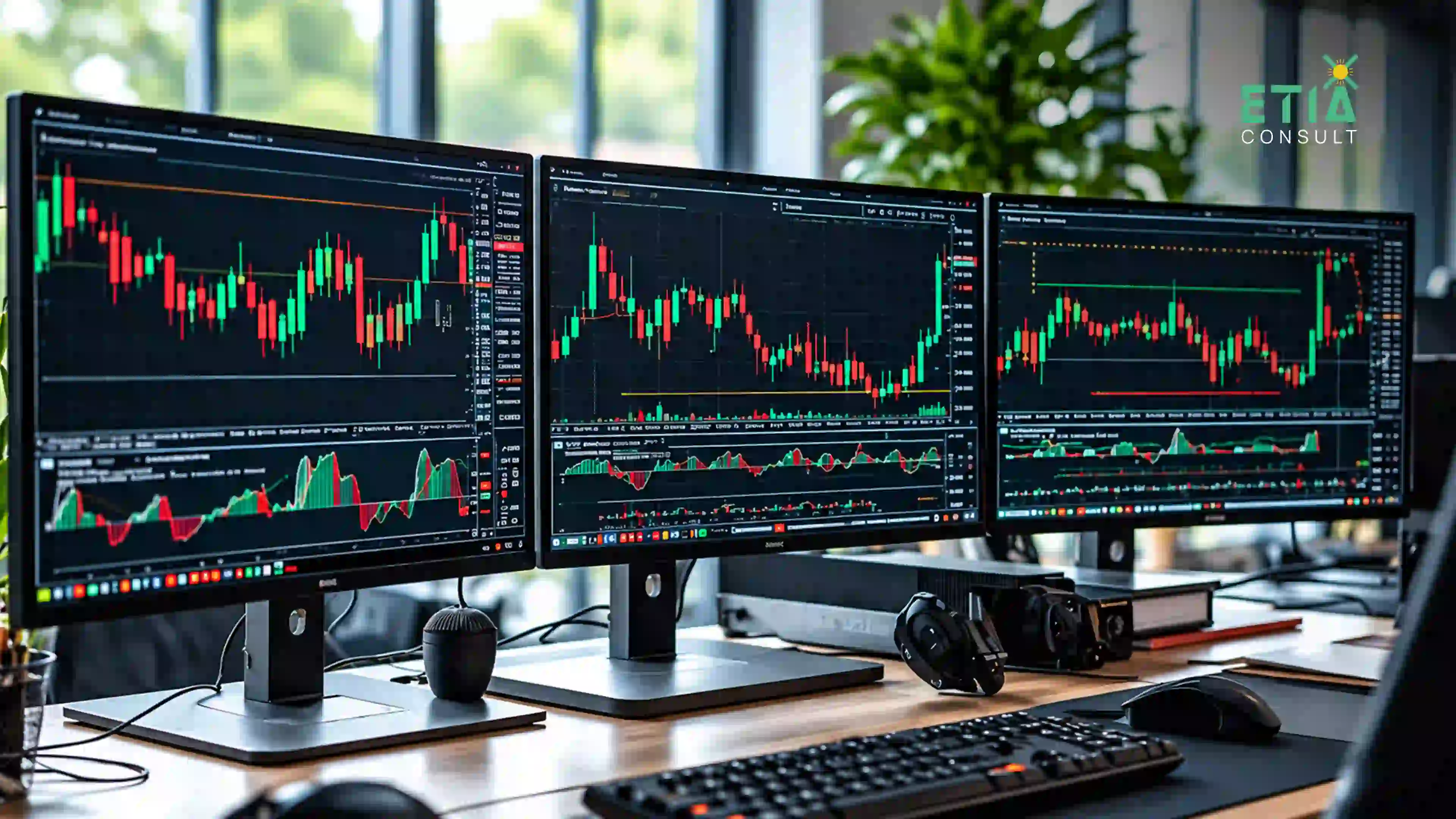
Understanding Trading Models — The Logic Behind the System
Trading models provide the analytical core of any systematic approach — the logic used to evaluate market conditions and determine whether a trading action may be appropriate. The right model for a given situation depends on the market, available data, commercial objective, and risk framework. Different approaches serve different purposes, and a more complex model is not automatically a more useful one.
Statistical Models
Identify historical relationships within market data — such as correlations between temperature, demand, and electricity prices — and use them to set baseline expectations against which current conditions can be assessed.
Forecasting Models
Estimate future prices, demand levels, or renewable generation — providing the forward-looking input that many trading models use to evaluate whether current market prices offer attractive buy or sell positions relative to expected conditions.
Optimisation Models
Determine the most efficient combination of trading or dispatch decisions given a set of constraints — particularly valuable for organisations managing flexible assets like battery storage, CHP, or demand response alongside their trading positions.
Machine Learning Models
Identify patterns in historical and real-time data that traditional statistical approaches may not capture — useful for specific analytical tasks where sufficient quality data is available, though they require careful validation and should not be applied as black-box systems without clear explainability.
A simpler model built on reliable data can often be more practical and more robust than a highly complex one that is difficult to validate, interpret, or maintain. Whatever type of model is used, historical relationships are not guarantees of future performance — energy markets can change because of regulatory developments, new generation capacity, extreme weather, or shifts in consumer behaviour. Regular review and validation of analytical models is therefore not optional; it is a core governance requirement for any organisation relying on systematic strategies.
Quantitative market strategies — Structure Over Intuition
Data-driven trading approaches applies mathematical and statistical methods to energy market decisions — analysing measurable relationships within data rather than relying solely on qualitative judgement. A quantitative strategy might examine historical price behaviour across different weather conditions, supply levels, or demand periods, then use updated forecasts to estimate how current conditions compare with those historical patterns.
For example, a model could examine the relationship between electricity demand, temperature, and day-ahead prices across several years of history. Using updated weather forecasts, it estimates the implied price for tomorrow and compares this with the current market — identifying whether prices appear high, low, or in line with what historical patterns suggest. This structured perspective does not replace market experience, but it adds a consistent, evidence-based layer to decision-making that purely intuitive approaches cannot provide at scale.
Quantitative analysis in energy markets is closely connected to ETIAconsult’s advisory on data analytics in energy markets, the energy market forecasting capabilities that underpin robust models, and the ETRM platform architecture that provides the data infrastructure these strategies depend upon.
Risk Management in Rule-based trading Systems
Speed is one of the capabilities that automated approaches deliver — but speed should never be treated as the primary objective. The same automation that executes beneficial trades faster can also execute harmful ones faster if risk controls are absent or inadequate. Risk management must therefore be built into the architecture of any algorithm-driven trading system, not bolted on as an afterthought.
Controls that effective systems incorporate include position limits preventing the strategy from accumulating excessive exposure, maximum order sizes that cap the volume of any single transaction, price boundaries outside which orders will not execute, loss thresholds that suspend activity if performance falls beyond acceptable levels, and automatic stop conditions that halt the system when market behaviour or system performance falls outside defined parameters. These controls sit alongside the energy risk management framework that ETIAconsult helps organisations design and implement.
A common misconception is that automated strategies eliminate the need for experienced traders. In practice, automation changes the nature of their work. Systems handle repetitive calculations, monitor large datasets, and execute predefined instructions — experienced professionals focus on strategy design, market interpretation, risk management, and reviewing exceptional situations where human judgement is essential.
Strategy performance analysis and Ongoing Performance Monitoring
Deploying a strategy is not the end of the process — it is the beginning of a continuous monitoring and improvement cycle. Trading performance review help organisations understand whether a system is behaving as expected, identify where performance is diverging from plan, and determine whether market conditions have shifted in ways that require strategy adjustments.
Execution Quality Analysis
Comparing intended execution with actual outcomes — evaluating whether orders are being placed at the intended prices and quantities, and whether transaction costs are in line with expectations from backtesting and simulation.
Signal Performance Review
Assessing whether the strategy is generating the signals expected under current market conditions — identifying cases where model assumptions are no longer aligned with actual market behaviour and flagging where revalidation may be needed.
Risk Exposure Monitoring
Tracking actual position sizes, loss levels, and market exposures against the limits built into the system — ensuring that risk controls are functioning correctly and that cumulative exposure across multiple strategies remains within acceptable bounds.
Profitability and Attribution
Breaking down the sources of performance — distinguishing between returns generated by the intended strategy logic, returns from market moves the strategy did not anticipate, and the costs (transaction fees, spread costs, timing slippage) that affect net outcomes across the full population of executed trades.
Strategy monitoring also provide the evidence base for strategy improvement. Markets evolve — new generation capacity changes price patterns, regulatory changes affect market structure, and extreme events can alter relationships that models previously treated as stable. Continuous monitoring and periodic revalidation transform energy trading algorithms from static deployments into adaptive systems that remain relevant as market conditions develop.
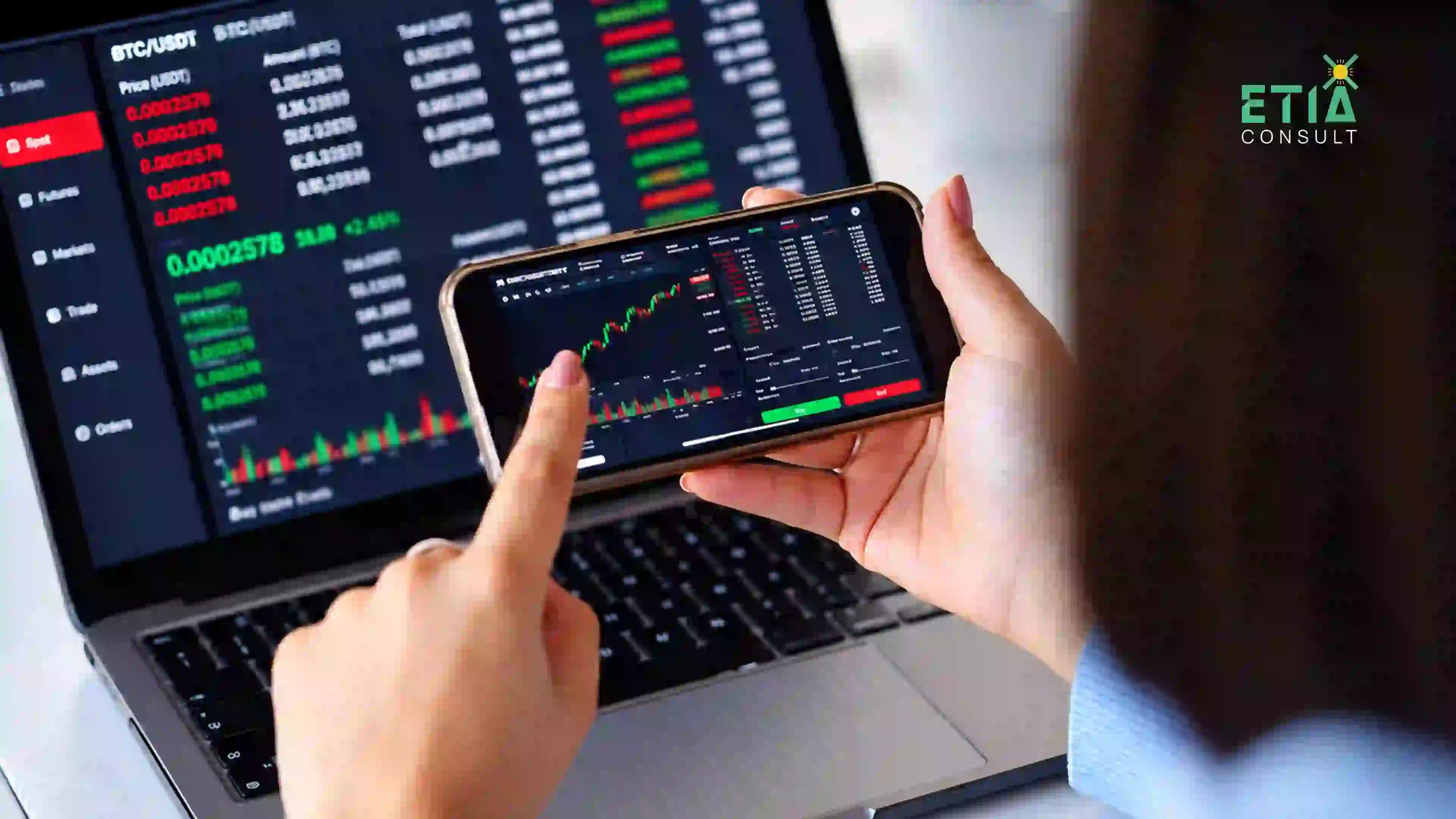
Challenges, Governance, and the Future of Automated Energy Trading
Despite their advantages, systematic strategies present genuine challenges that any organisation must address before treating automation as a straightforward productivity gain. Model risk — where a strategy performs well in historical testing but behaves differently in live markets — is one of the most significant. Technology dependency is another: reliable systems, connectivity, data feeds, and monitoring infrastructure must all function correctly for an automated approach to deliver its intended benefits.
Regulatory requirements also need consideration. Energy markets operate under specific rules, and trading organisations must ensure that systematic strategies remain within applicable requirements — including the trade reporting, position limit, and market conduct rules that authorities such as ACER and national regulators administer. The cybersecurity considerations that ENISA’s critical infrastructure guidance addresses are equally relevant — systematic trading systems connected to live markets represent a potential attack surface that requires appropriate security controls alongside the cybersecurity framework ETIAconsult advises energy organisations to maintain.
The Direction of Travel — AI, Data, and Responsible Automation
The future of systematic trading in energy is not defined by automation alone. As the IEA’s energy digitalization research underlines, sustainable success requires closer integration between technology, quantitative market strategies methods, and the experienced human judgement that no algorithm fully replaces. Organisations building this combination — well-governed, well-tested, continuously monitored — are better positioned to make systematic approaches a durable competitive advantage rather than a technology risk.
Frequently Asked Questions
Key questions on energy trading algorithms, automated strategy, and quantitative strategies
Ready to Build Smarter Energy
Trading Capabilities?
ETIAconsult helps European energy organisations evaluate, design, and govern systematic trading approaches — from trading model frameworks and data architecture to risk controls, strategy monitoring, and the technology integration that makes automated strategies reliable and auditable.