
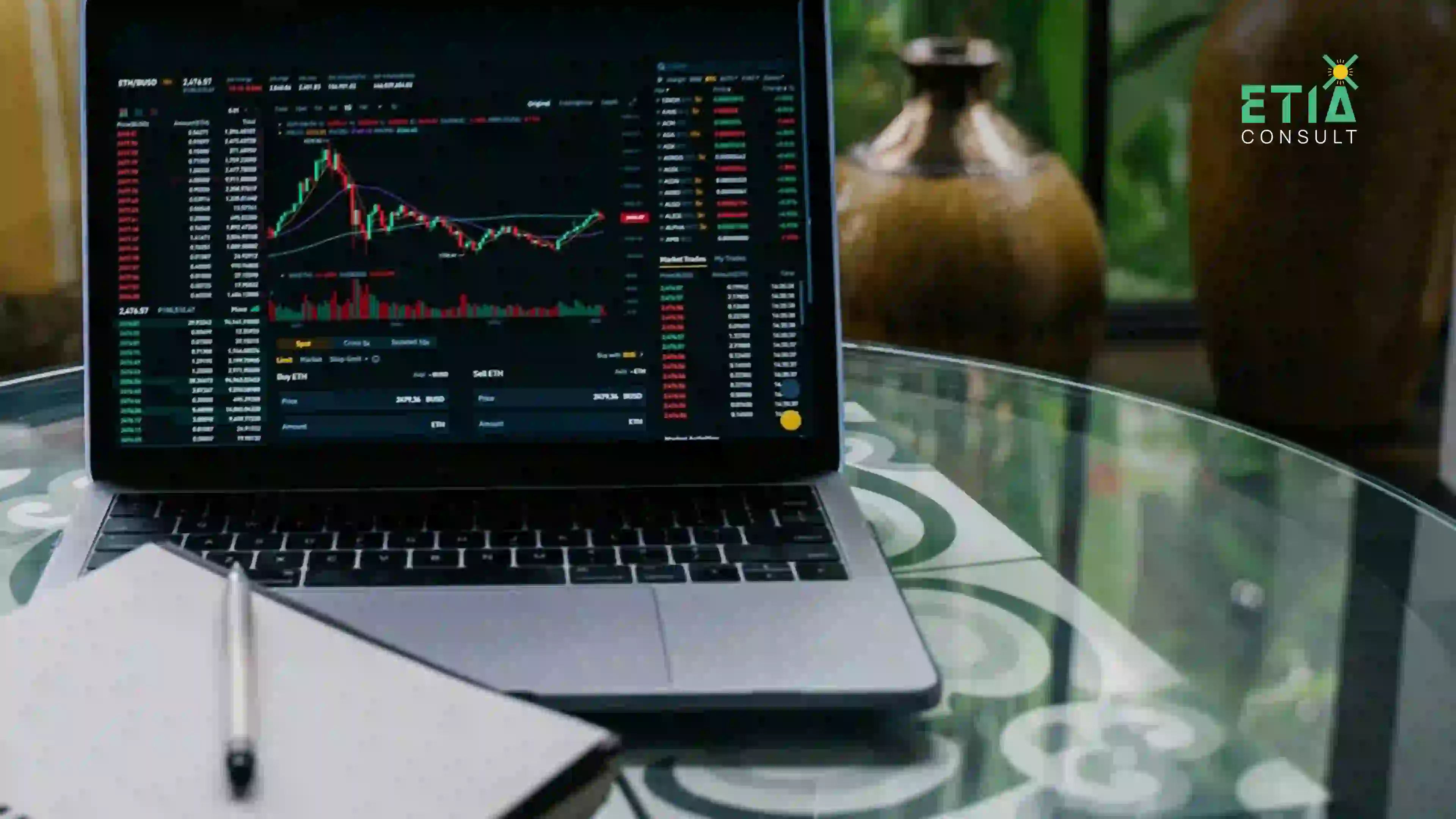

Energy trading compliance is essential in a business environment where transactions, prices, contracts, market data and regulatory requirements are closely connected. Companies operating in electricity, natural gas, oil, renewable energy or related markets must decide quickly while ensuring every transaction follows applicable laws and market requirements. Compliance is not simply a legal responsibility: it supports transparent trading, protects market participants, reduces financial and reputational exposure, and helps businesses operate confidently as markets become more interconnected and digital.
What Is Energy Trading Compliance?
Energy trading compliance refers to the policies, procedures, controls and monitoring practices businesses use to make sure their trading follows relevant laws, regulations, market rules, contractual requirements and internal standards. Requirements differ significantly by commodity, market, jurisdiction and participant type — a company trading electricity in one market may face different obligations from a natural gas trader operating across several jurisdictions. An effective framework generally covers:
- Trading activities and employee conduct
- Market reporting and recordkeeping
- Risk management and internal controls
- Market manipulation prevention
- Transaction monitoring
- Regulatory disclosures
- Data protection and documentation
- Employee training and accountability
The objective is not to slow trading down. A well-designed framework lets businesses trade efficiently while reducing avoidable regulatory and operational risk.
Understanding Trading Regulations
One of the most important parts of the discipline is knowing which regulations apply. Energy markets are governed by national legislation, regional requirements, market operator rules, exchange regulations and industry standards. Trading regulations may address market conduct, licensing, reporting, insider information, price manipulation, transaction records and participant responsibilities. In the EU, for example, REMIT prohibits insider trading and market manipulation in wholesale energy markets, and in the Netherlands the regulator ACM sets out the REMIT obligations for market participants — registration, order and transaction reporting, and publication of inside information.
Businesses active in several markets may face overlapping requirements, which makes regulatory mapping essential. Companies should identify:
- Which markets they participate in
- Which commodities they trade
- Which regulatory authorities oversee those activities
- What reporting and documentation obligations apply
- Which employees and business functions are subject to specific requirements
Keeping this current matters, because rules change as governments, regulators and market operators respond to new technologies, market structures and emerging risks.
Building Effective Compliance Controls
In energy trading compliance, regulations provide the framework, but businesses need practical systems to apply them. Compliance controls are policies and processes designed to identify, prevent, detect and address potential violations, and they can be manual, automated or both. Common controls include:
- Pre-trade approval procedures
- Trading limits and position controls
- Segregation of duties and approval workflows
- Restricted-access systems
- Automated transaction checks and exception reporting
- Record retention procedures
- Periodic compliance reviews
Effectiveness depends on how well controls fit the company’s actual trading. A control that looks strong on paper offers limited protection if employees do not understand it or if it is disconnected from trading systems — so review and test controls regularly.

The Importance of Market Surveillance
Energy markets involve large transaction volumes and fast-moving prices, which calls for continuous monitoring. Within energy trading compliance, market surveillance helps businesses spot unusual patterns that could indicate manipulation, misconduct, errors or other concerns. It may examine:
- Unusual price movements
- Large or unexpected trading positions
- Suspicious order patterns
- Transactions close to market deadlines
- Abnormal trading volumes
- Potential conflicts of interest
- Activity inconsistent with normal strategies
Technology makes surveillance more effective by analysing large volumes of transaction data — the analytical capability discussed in our piece on energy intelligence.
An unusual transaction may have a legitimate commercial explanation. Compliance teams should investigate alerts carefully, document their findings and escalate concerns through established procedures.
Managing Regulatory Risk
Regulatory risk is the possibility of financial, legal, operational or reputational consequences from failing to meet applicable requirements. It can arise when new legislation changes obligations, when a business enters a new market without fully understanding its rules, when employees misread internal policies, or when inadequate data produces inaccurate reporting. A practical approach to energy trading compliance includes:
- Identifying applicable requirements
- Assessing the likelihood and impact of compliance failures
- Assigning responsibility for each obligation
- Establishing preventive controls
- Monitoring regulatory developments
- Investigating incidents promptly
- Documenting corrective actions
Risk assessments should be updated whenever the business changes its trading strategy, enters a new market, introduces new technology or expands its product portfolio.
Energy Market Rules and Participant Responsibilities
Energy market rules set out how participants are expected to operate, covering bidding procedures, settlement, scheduling, information disclosure, market access, reporting and acceptable trading behaviour — the structure explored in our article on energy market design. Understanding them matters because non-compliance can occur even when a trader has no intent to break the law: misreading a bidding requirement or reporting deadline can still create operational and regulatory consequences.
Traders, analysts, risk managers, compliance professionals and support teams should all understand the rules tied to their responsibilities. Instead of handing employees lengthy regulatory documents alone, companies can translate complex requirements into practical procedures and decision guidelines.
Data, Reporting and Recordkeeping
Accurate information is central to energy trading compliance. Businesses may need to keep transaction records, communications, trading data, reports, approvals and other documentation for defined periods. Poor data quality can distort regulatory submissions, weaken surveillance, or make it hard to reconstruct a transaction during an investigation. Strong data practices include:
- Clear ownership of compliance data
- Consistent data definitions
- Secure storage
- Appropriate access controls
- Reliable reporting processes
- Documented retention periods
- Regular data-quality checks
Companies should also check that trading and compliance systems can communicate — disconnected systems create information gaps and make it harder to see the full picture of trading activity.
Preventing Market Abuse and Manipulation
Preventing market abuse is a central goal of energy trading compliance. Energy prices can respond quickly to changes in supply, demand, weather, infrastructure availability and expectations, which makes markets sensitive to manipulation. EU regulators describe market abuse in wholesale energy as a core concern — see ACER’s overview of how REMIT protects wholesale energy markets. Businesses should set clear policies on prohibited behaviour and train employees, so traders understand that legitimate commercial strategies must still stay within market conduct requirements.
Unexplained trading patterns, attempts to influence benchmark prices, unusual orders around market events, or activity that creates a misleading impression of supply, demand or price. A strong compliance culture encourages employees to raise concerns rather than ignore unusual activity.
Employee Training and Compliance Culture
Technology and policies matter, but people remain central to energy trading compliance: employees make trading decisions, handle sensitive information and interpret market rules. Training should be practical rather than purely theoretical, showing how requirements relate to daily decisions — a point that echoes our guidance on cross-functional teams. Training may cover:
- Applicable trading regulations
- Market conduct requirements
- Insider information
- Conflicts of interest
- Reporting responsibilities
- Use of trading systems
- Escalation procedures
- Consequences of non-compliance
Senior management matters too: when leadership treats compliance as part of responsible business management rather than an administrative burden, employees take their responsibilities more seriously.

Using Technology to Strengthen Energy Trading Compliance
The growing complexity of energy markets has raised the value of technology in compliance. Automated systems can monitor transactions, flag exceptions, maintain records, support reporting and give compliance teams dashboards, while advanced analytics can detect unusual behaviour earlier. Technology should still complement rather than replace human judgement.
Before adopting a solution, companies should check that it integrates with existing trading, risk and data systems and offers enough transparency for compliance professionals to understand why an alert was generated — which is where technology integration work pays off. Regular testing is equally important, since monitoring should evolve with trading strategies, market structures and regulatory expectations.
Preparing for Regulatory Change
Energy markets keep evolving: renewable generation, battery storage, digital trading platforms, distributed energy resources, cross-border markets and changing environmental policy all create new opportunities and compliance questions. Energy trading compliance should therefore be continuous, not a one-time project. Companies can prepare by:
- Tracking regulatory developments
- Reviewing policies regularly
- Updating employee training
- Testing compliance controls
- Conducting internal audits
- Documenting lessons from incidents
- Reviewing systems after major business changes
This forward-looking approach helps businesses respond to new requirements without disrupting trading operations.
Conclusion
Energy trading compliance is an essential part of operating responsibly in modern energy markets. From understanding trading regulations and market rules to strengthening compliance controls and market surveillance, businesses need a structured approach that connects regulatory requirements with everyday trading. It also depends on accurate data, strong governance, employee awareness, technology and continuous risk assessment.
By treating compliance as an ongoing business function rather than a checklist, companies can reduce regulatory risk while building confidence among customers, market partners, regulators and internal stakeholders. ETIAConsult supports this through strategic consulting for energy organizations. Businesses that invest in adaptable compliance practices will be better placed to manage change while keeping trading transparent, responsible and sustainable.
Frequently Asked Questions
Key questions on compliance in energy trading
Build a Compliance Framework
That Fits Your Trading
ETIAConsult helps organizations in the Netherlands and across the EU map regulations, strengthen controls and prepare for regulatory change.