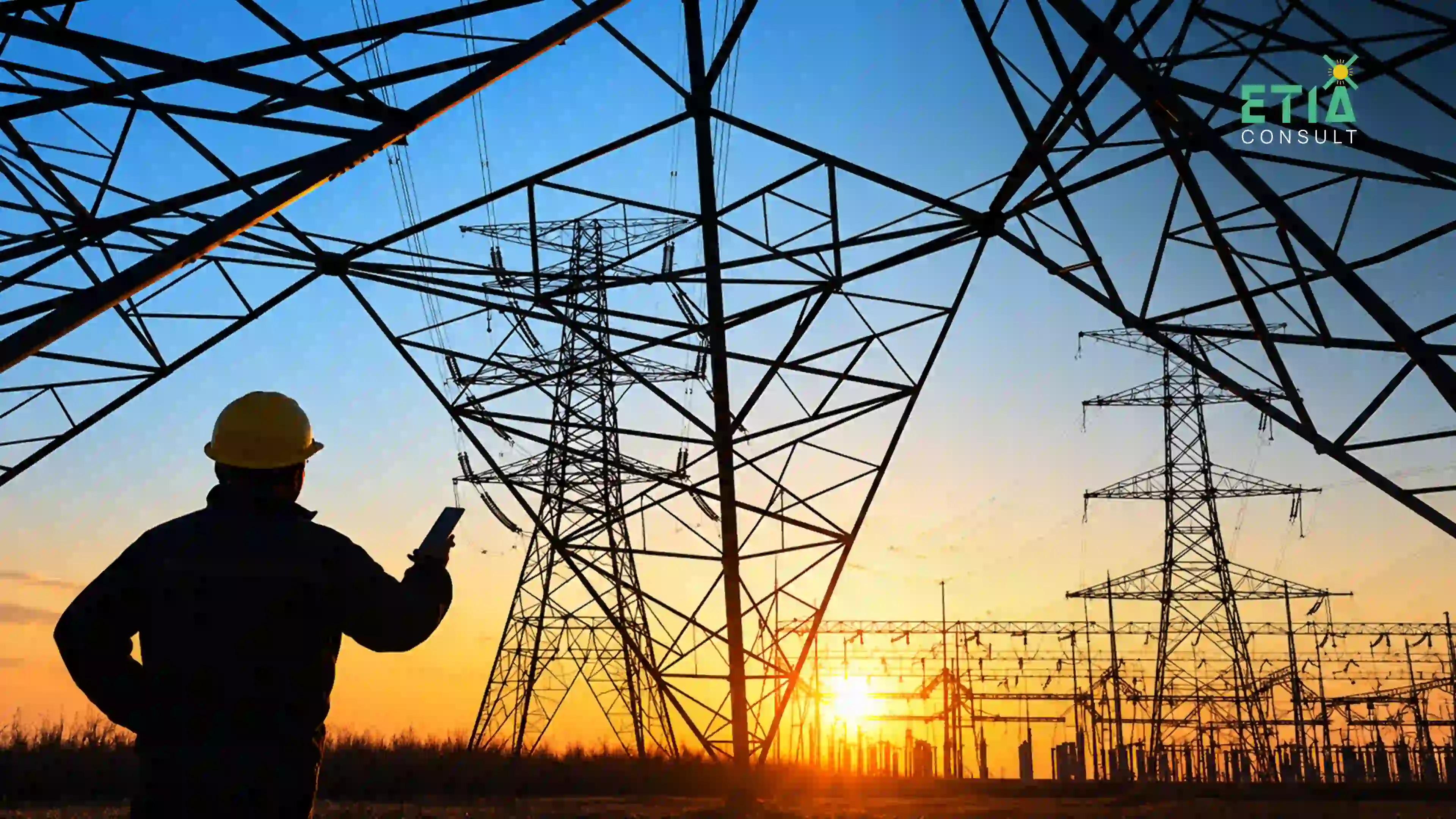


The energy trading industry operates within one of the most complex and dynamic business environments in the world. Market volatility, regulatory requirements, evolving energy sources, and increasing transaction volumes create significant operational challenges. In this environment, operational efficiency in energy trading is no longer viewed as a desirable objective alone — it has become a strategic necessity. Organizations that streamline processes, improve data management, and leverage advanced technologies are better positioned to respond to market changes while minimizing operational risks.
Understanding the Scope of Energy Trading Operations
Energy trading involves far more than buying and selling commodities. Behind every transaction exists a network of interconnected activities that support the complete trade lifecycle — each requiring accurate data, coordinated workflows, and timely communication across multiple departments. The breadth of what must function perfectly every day is why operational efficiency is so difficult to achieve and maintain at scale.
These activities typically span the full cycle from analysis to reconciliation — connecting directly to the kind of end-to-end operational infrastructure that ETRM systems are designed to centralize and govern:
- Market analysis & intelligence
- Trade execution
- Deal capture
- Risk management
- Scheduling & nominations
- Settlement processing
- Regulatory reporting
- Financial reconciliation
- Performance monitoring
As organizations grow, these processes become increasingly complex. Without effective systems and procedures, inefficiencies accumulate and compound — impacting overall business performance and limiting the organization’s ability to scale. This is why understanding the full scope of trading operations is the starting point for any meaningful efficiency initiative, as ETIAconsult details in its case study on reducing operational complexity.
Why Operational Efficiency Matters in Energy Trading
Efficiency directly influences an organization’s ability to compete in modern energy markets. When processes operate smoothly, companies can respond more quickly to market opportunities, manage risks effectively, and reduce unnecessary costs. Conversely, inefficient operations lead to delays, errors, compliance challenges, and increased administrative burdens that erode both margins and market agility.
Improved Decision-Making
Accurate, timely information enables traders and managers to make better-informed decisions. Real-time visibility into positions, exposures, and market conditions replaces the dangerous lag of manual reporting cycles — critical in a sector where AI-driven trading intelligence is raising the speed benchmark.
Reduced Operational Risk
Standardized processes and automated controls minimize human errors and improve risk management compliance. Every manual handoff is a potential error — removing them systematically is one of the highest-value investments in operational resilience.
Lower Operating Costs
Efficient workflows reduce manual effort and allow organizations to allocate resources more effectively — managing growing trading volumes without proportionally growing headcount, a critical factor in sustaining profitability across commodity cycles.
Greater Scalability
Streamlined operations make it easier to manage increasing transaction volumes. Organizations planning expansion into new commodities, regions, or counterparties cannot afford to carry operational debt — the inefficiencies of today become the growth constraints of tomorrow.
Enhanced Counterparty Relationships
Reliable processes support timely settlements, accurate reporting, and consistent communication — reducing dispute rates and building the operational trust that sustains long-term trading relationships in competitive European energy markets.
Common Challenges Affecting Energy Trading Operations
Despite technological advancements, many organizations still face operational challenges that limit efficiency. These are not new problems — but in an era of rising regulatory burden and increasing complexity, their cost is growing.
The most common challenges include fragmented systems — where different departments rely on separate applications that do not communicate effectively, resulting in duplicate data entry and inconsistent reporting. Manual spreadsheet-based workflows and reconciliations consume valuable time while increasing error likelihood. Additional structural obstacles include:
- Regulatory complexity across multiple jurisdictions (REMIT, EMIR, EU ETS) requiring consistent multi-framework reporting
- Data quality issues from inconsistent definitions and manual entry across systems
- Limited workflow visibility — inability to see bottlenecks until they have already caused delays
- Communication gaps between trading, risk, operations, and finance departments
- Legacy technology environments that cannot integrate with modern platforms without major migration effort
Addressing these obstacles requires a comprehensive approach combining process improvements, technology investments, and organizational alignment — the three-pillar framework that ETIAconsult applies across its agile energy consulting engagements.
The Role of Energy Trading Process Automation
One of the most effective methods for improving efficiency is energy trading process automation. Automation reduces repetitive manual activities while increasing consistency and accuracy — two properties that compound in value as transaction volumes grow. The goal is not simply to reduce workload but to improve scalability without proportionally increasing operational risk.
Several operational functions are particularly well suited for automation in energy trading environments:
Tasks that previously required hours of manual effort can often be completed in minutes through well-designed automation. The compounding effect is significant: faster processing + fewer errors + more scalable operations = a structural improvement in competitive positioning that accumulates over time.
How ETRM Solutions Support Operational Efficiency
Technology plays a central role in modern trading environments, and ETRM solutions are among the most important tools available. Energy Trading and Risk Management platforms provide centralized capabilities for managing trading activities throughout the entire transaction lifecycle — replacing the fragmented application landscape that most growing organizations inherit.
A comprehensive ETRM platform typically supports trade capture, position management, risk monitoring, market analytics, scheduling functions, settlement processing, and regulatory reporting — all within a single governed environment.
Single Source of Truth
All trade lifecycle data — from execution to settlement — in one governed environment, visible to all authorized departments simultaneously. This eliminates the reconciliation cost of conflicting datasets between trading, ops, risk, and finance.
Integrated Risk Controls
Position limits, exposure alerts, and compliance triggers built into the transaction workflow — not bolted on as afterthoughts. This is what separates mature energy risk management from reactive monitoring.
Seamless Data Flow
Market data, counterparty data, and trade data flowing automatically between modules — rather than being manually copied between systems by operations staff. This reduces errors and accelerates every downstream process.
Regulatory Reporting Architecture
Built-in report generation for REMIT, EMIR, EU ETS, and other mandatory disclosures — adapted to regulatory changes without requiring manual template rebuilds. ETIAconsult helps clients configure this architecture during technology integration engagements.
Many organizations view ETRM solutions as a foundational element in their efficiency improvement strategies — and rightly so. But the platform’s value depends entirely on how well the underlying processes are designed before implementation. Technology amplifies process quality; it does not substitute for it.

The Growing Importance of Energy Trading Software
Beyond traditional ETRM platforms, modern energy trading software continues to evolve rapidly. Cloud-based technologies, advanced analytics, and artificial intelligence capabilities are transforming how organizations manage operations — expanding what is technically possible while raising the competitive bar for those who fail to adopt.
ETIAconsult’s digital transformation advisory for energy companies consistently identifies five software capabilities that deliver the highest operational efficiency returns:
Real-Time Data Access
Decision-makers monitoring positions, exposures, and market conditions as events occur — not the next morning from a manually compiled report.
Advanced Analytics
Sophisticated analytical capabilities supporting improved forecasting, risk assessment, and portfolio optimization — increasingly powered by AI in energy trading.
Improved Collaboration
Integrated platforms helping departments work from shared information — replacing email chains and parallel spreadsheet versions with a single governed workspace.
Greater Flexibility
Cloud-based environments scaling resources according to business requirements — handling volume peaks without over-provisioning for baseline periods.
As technology continues advancing, energy trading software will play an increasingly important role in driving operational improvements. Organizations that adopt modern platforms proactively — rather than waiting for pain to force the decision — build compounding efficiency advantages over competitors still managing operations from legacy systems.
Energy Trading Workflow Optimization: A Strategic Approach
Technology alone cannot solve every operational challenge. Organizations must also focus on energy trading workflow optimization — ensuring that processes remain efficient and aligned with business objectives as markets, regulations, and organizations evolve.
Workflow optimization involves examining existing procedures and identifying opportunities for improvement at the process level, not just the system level. The most impactful areas of focus include:
Process Standardization
Standardized procedures improve consistency and reduce confusion across teams — particularly important when multiple commodity desks or regional offices operate under different informal norms that create integration friction at the operational level.
Elimination of Redundant Activities
Removing duplicate tasks reduces workload and minimizes the inefficiencies that accumulate invisibly over time. Process mapping — as described in ETIAconsult’s energy trading case study — almost always reveals redundancy that was not visible from any single team’s perspective.
Clear Process Ownership
Defined responsibilities improve accountability and support faster issue resolution. When ownership is ambiguous, problems wait — and in energy trading, waiting has a direct cost in settlement risk, regulatory exposure, and counterparty confidence.
Improved Cross-Departmental Communication
Strong collaboration between trading, risk, operations, and finance prevents delays and misunderstandings. The most efficient energy trading organizations treat information flow as a design problem — not a culture problem — and engineer clear, timely handoffs between departments.
Continuous Improvement Cycles
Regular workflow reviews ensure that processes remain effective as business requirements evolve. Workflow optimization is not a one-time project — it is an ongoing discipline that agile consulting frameworks are specifically designed to sustain.
Strengthening Data Management and Governance
High-quality data is the foundation of efficient operations. Without reliable information, even the most advanced systems can produce inaccurate results and create operational challenges — a reality that makes data governance one of the highest-leverage investments an energy trading organization can make.
Strong data governance typically includes standardized definitions, validation controls, ownership frameworks, and monitoring mechanisms. When data quality improves, organizations gain greater confidence in their reporting, forecasting, and risk management activities — directly improving operational efficiency in energy trading. For organizations with sustainability reporting obligations under CSRD, the same data governance infrastructure supports both trading operations and ESG disclosure quality.
According to IEA analysis, data quality is consistently the leading cause of underperformance in energy digitalization programs. Organizations that invest in data governance before system implementation achieve significantly faster time-to-value from technology deployments than those that address data quality reactively.
Building a Culture of Operational Excellence
Efficiency initiatives are most successful when supported by organizational culture. Employees at every level should understand the importance of operational performance and actively contribute to improvement efforts. This means establishing ongoing training, cross-functional collaboration structures, performance measurement frameworks, and visible leadership support — making operational excellence a shared responsibility rather than a project managed by a single department.
Future Trends Shaping Energy Trading Efficiency
Several emerging technologies are expected to influence the future of energy trading operations significantly. Organizations that build clean process and data foundations today will be best positioned to benefit from the next generation of capabilities as they mature.
Companies that embrace these developments proactively — through structured technology investment aligned with clear operational objectives — may gain significant competitive advantages as energy markets grow more complex. The window for building foundational capability before these technologies become table stakes is narrowing.
Frequently Asked Questions
Common questions on operational efficiency in energy trading
Ready to Improve Efficiency
Across Your Trading Operations?
ETIAconsult helps European energy trading organizations streamline processes, implement ETRM solutions, automate workflows, and build the data infrastructure needed for scalable, resilient operational performance.