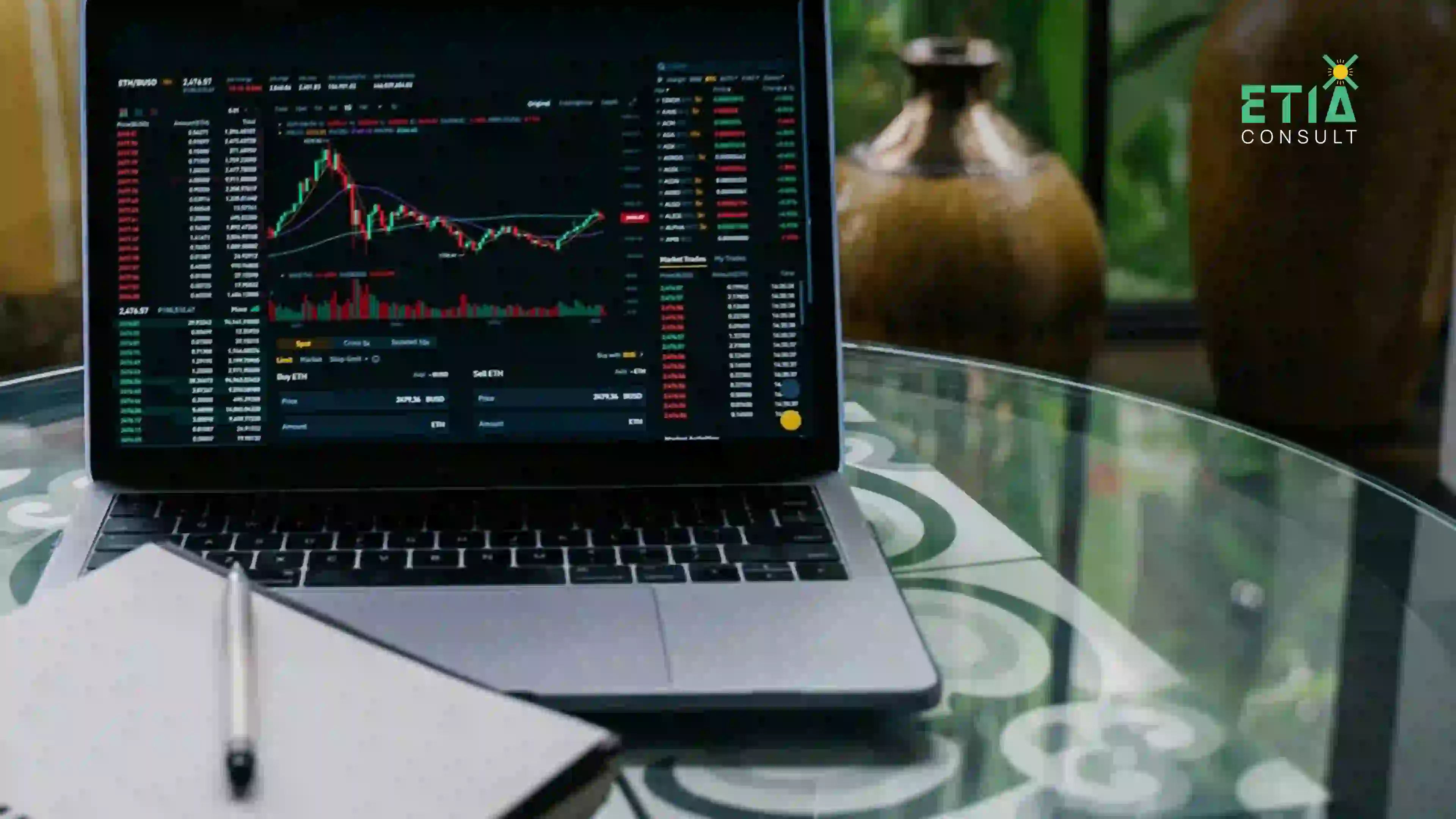

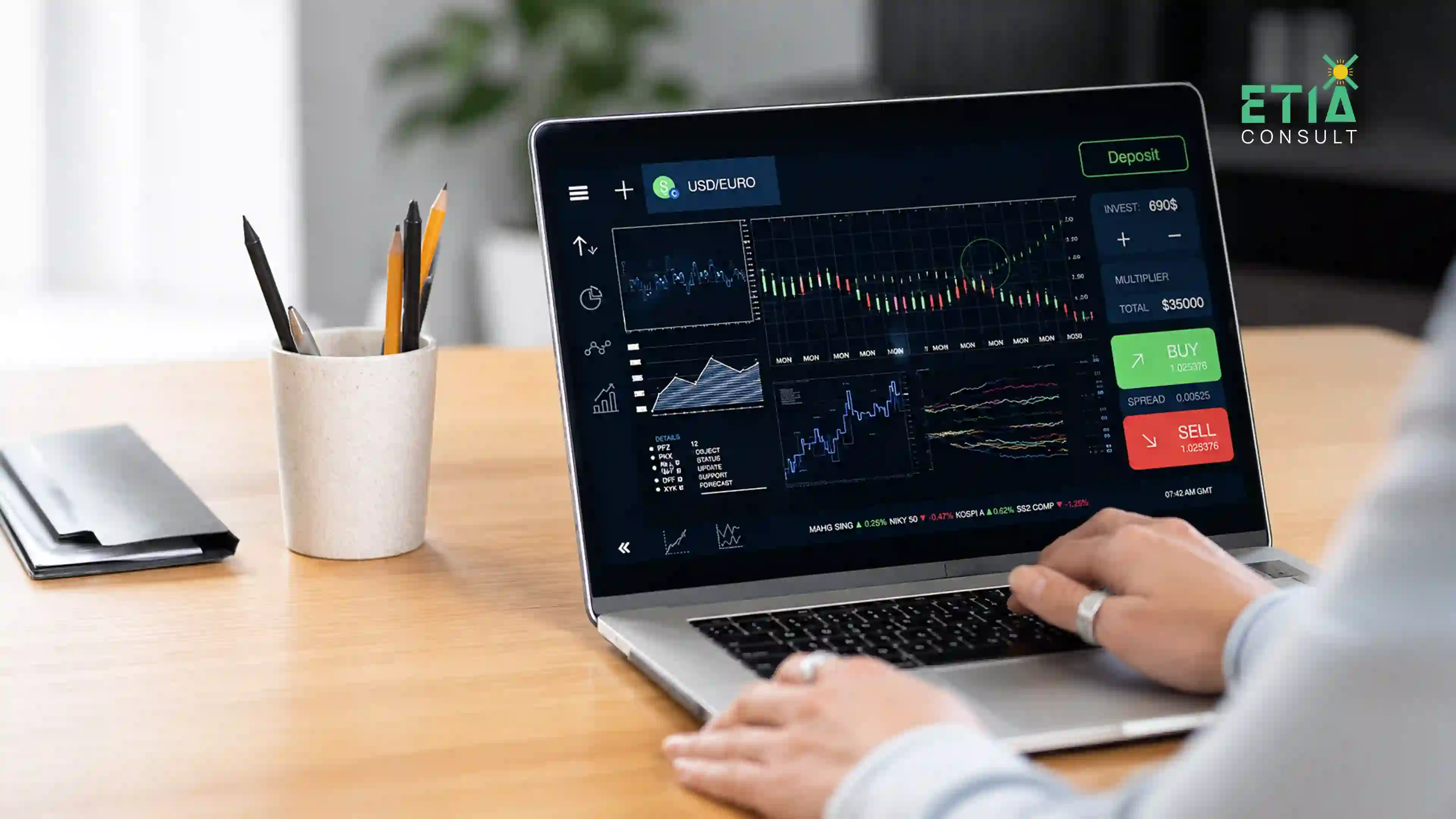

Predictive analytics in energy trading determines whether traders can anticipate market shifts before they happen, or simply react after the fact. The energy trading market is influenced by many moving factors, from weather and demand to fuel prices, generation capacity, policy changes, and volatility, and for traders in the Netherlands and across the EU, making the right decision at the right time can significantly affect profitability. Traditional approaches remain useful, but they may not provide enough insight when markets change quickly. By combining historical market data, real-time information, advanced algorithms, and data science, this discipline helps traders understand what may happen next and make more informed decisions.
Understanding Predictive Analytics in Energy Trading
Predictive analytics uses statistical techniques, machine learning models, and large volumes of data to identify patterns and forecast future events. In energy trading, these capabilities can support decisions related to electricity prices, demand, renewable generation, supply conditions, and market movements.
Traders can analyze factors such as:
- Historical prices
- Weather patterns
- Energy demand
- Renewable generation
- Grid capacity
- Market transactions
When these data points are analyzed together, traders can gain a broader view of the market instead of relying on a single indicator.
How Machine Learning Models Support Trading Decisions
Machine learning models are an important part of modern predictive analytics. They examine large datasets, recognize relationships that may be difficult to identify manually, and improve predictions as new data becomes available.
For example, a model can study how temperature changes have historically affected electricity demand and prices, then use current weather forecasts and demand information to estimate future market conditions. Similarly, models can identify recurring price patterns or relationships between renewable generation and electricity prices.
Different models can be selected according to the trading objective, with the goal of providing stronger analytical support.
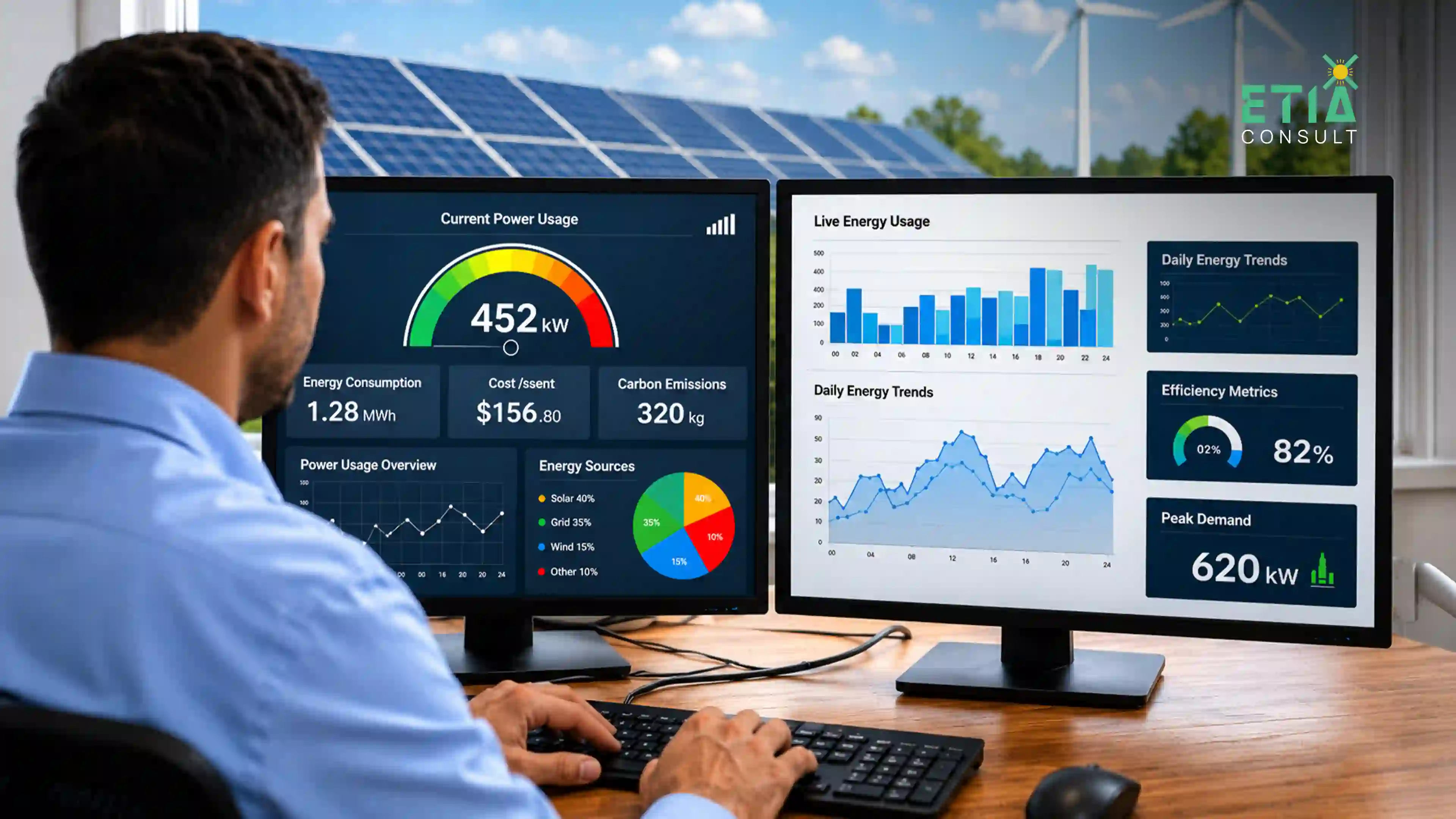
Improving Forecasting Accuracy
One of the biggest advantages of predictive analytics is its ability to improve forecasting accuracy. Accurate forecasts can help traders plan positions, manage exposure, and respond to changing market conditions with greater confidence. A prediction that considers historical demand, weather forecasts, holidays, and industrial activity can be more useful than one based only on previous consumption.
Forecasts are never guaranteed, particularly in a dynamic energy market, but stronger forecasting methods provide a more informed basis for decision-making.
Turning Data into Market Intelligence
Data alone does not create an advantage. Its value comes from interpreting it and turning it into useful market intelligence. Predictive analytics helps bridge this gap by connecting different datasets and highlighting patterns that can support practical decisions.
A trader may notice that high temperatures, lower wind generation, and increasing demand have historically been associated with price increases. A predictive system can identify similar conditions as they emerge and highlight the possibility of a comparable market movement, moving traders from simply monitoring information to understanding what it could mean for the market.
Generating Actionable Trading Insights
The real value of predictive analytics lies in the trading insights it can provide. Instead of presenting large volumes of raw data, predictive platforms can help identify potential opportunities, risks, and changes in market behavior.
- Possible upward or downward price trends
- Expected changes in demand
- Potential supply constraints
- Unusual market activity
- Early indicators of changing conditions
These insights can support both short-term and longer-term decisions.

The Role of Real-Time Data and Risk Management
Energy markets can change within minutes. A sudden weather event, unexpected plant outage, transmission constraint, or shift in demand can influence prices quickly. Predictive analytics becomes more effective when historical information is combined with real-time data, allowing systems to update forecasts as market conditions change.
Energy trading involves uncertainty, and even accurate forecasts can be wrong. Predictive analytics can therefore support risk management as well as opportunity identification. Models can help estimate possible price ranges, identify unusual market conditions, and assess how different scenarios could affect a trading portfolio.
Scenario Analysis
Preparing for unusually high demand, lower renewable output, or sudden supply disruptions.
Portfolio Resilience
Considering potential outcomes strengthens preparedness across the trading team.
Why Human Expertise Still Matters
Although predictive technology can process information at a large scale, human judgment remains essential. Models depend on data quality and assumptions, while unexpected events can produce outcomes that historical information cannot fully predict.
Experienced traders bring knowledge of market behavior, regulations, commercial objectives, and practical constraints. When their expertise is combined with data-driven analysis, this becomes a decision-support tool rather than a replacement for human judgment.
Building a Smarter Energy Trading Strategy
For organizations adopting predictive tools, technology should be supported by a clear strategy. Collecting more data does not automatically lead to better decisions.
Identify Decisions That Need Better Forecasting
Start with the specific trading decisions where improved insight matters most.
Select Reliable Data Sources
Choose analytical models suited to specific objectives, then test and update them regularly.
Monitor Accuracy Over Time
Combine automated insights with expert review to keep results grounded and reliable.
As energy markets become more complex, this kind of structured approach is likely to play a larger role in trading and portfolio decisions. For traders in the Netherlands and across the EU, much of this analysis draws on data published through the ENTSO-E Transparency Platform, the EU-mandated source for day-ahead prices, load, and generation data across European bidding zones. ETIAConsult supports organizations building this capability through portfolio risk services and technology integration.
Frequently Asked Questions
Key questions on predictive analytics in energy trading
Turn Market Data Into
Confident Trading Decisions
ETIAConsult helps energy trading organizations in the Netherlands and across the EU build forecasting capability rooted in reliable data and experienced oversight.