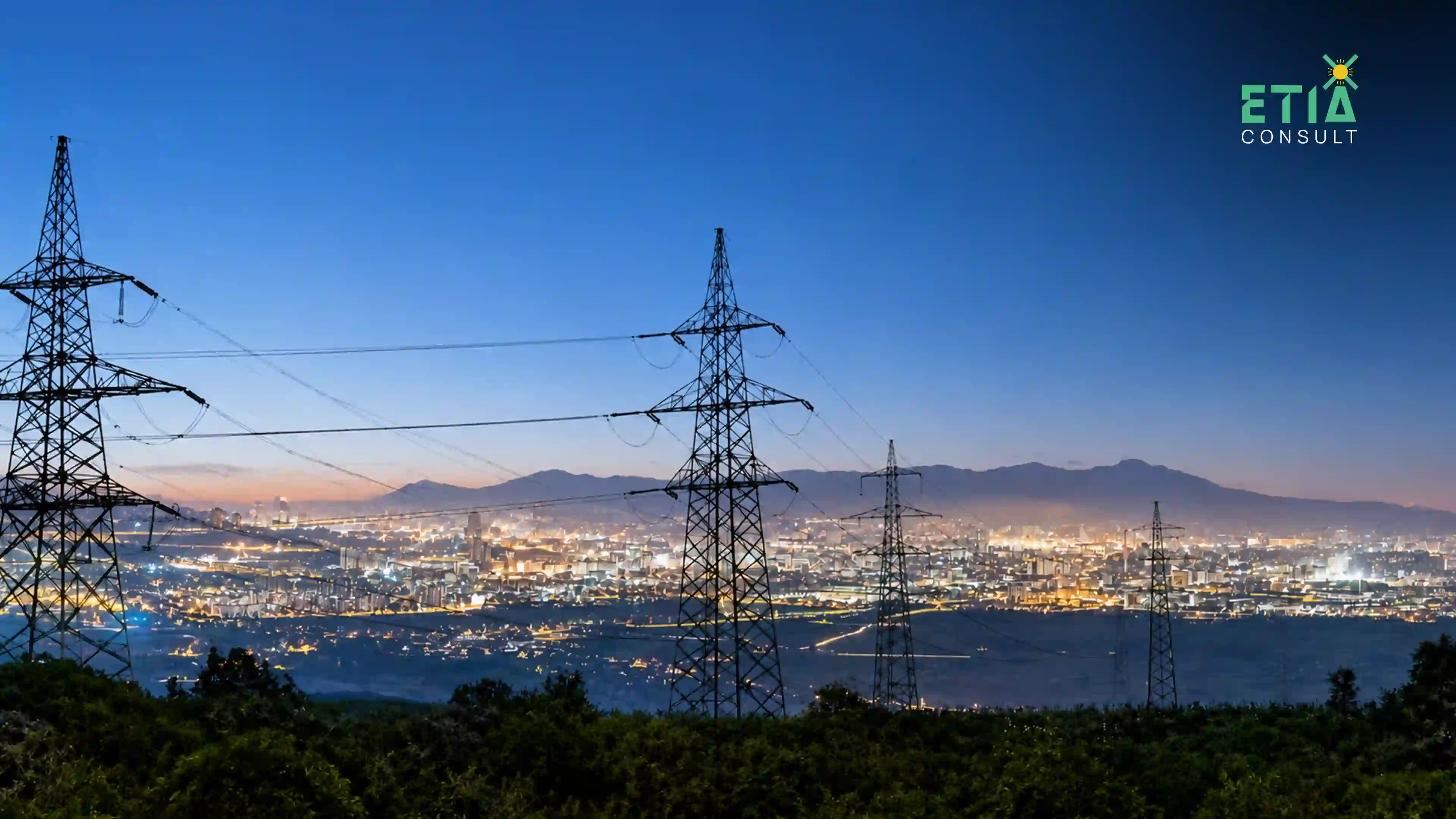

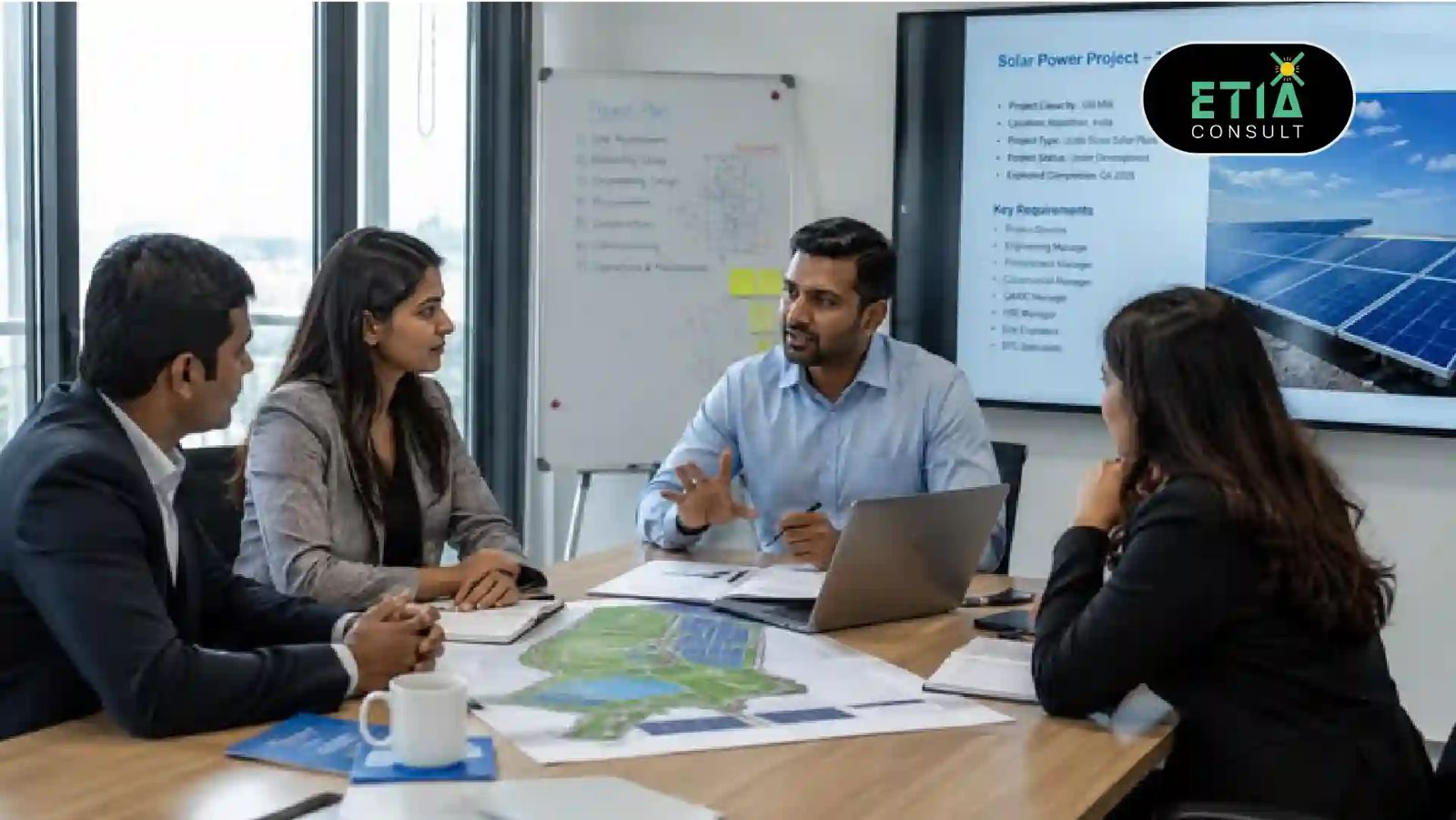

The global energy landscape is undergoing one of the most significant transformations in its history. Rising demand, evolving environmental expectations, technological advancement, and increasingly complex regulations are reshaping how energy companies operate and compete. Success today is no longer defined solely by production capacity or operational efficiency — it is increasingly determined by an organization’s ability to innovate responsibly while creating long-term value for customers, investors, regulators, and society. This is what defines a future-ready energy business in 2026 and beyond.
Why the Energy Sector Is Rapidly Evolving
The energy industry has always been influenced by economic and technological change. Today, several powerful forces are accelerating transformation simultaneously — and organizations that understand these forces holistically are far better positioned than those responding to each in isolation.
Sustainability Expectations
Stakeholders demanding measurable environmental progress — from carbon neutrality commitments to decarbonization roadmaps aligned with science-based targets.
Digital Innovation
AI, automation, blockchain, and advanced analytics reshaping every aspect of trading, operations, and customer engagement across the energy value chain.
Regulatory Developments
CSRD, CSDDD, EU ETS, and REMIT expanding disclosure and compliance obligations — creating both risk for laggards and advantage for those already positioned ahead of requirements.
Investor Transparency
Institutional investors integrating ESG data into capital allocation — making sustainable finance access contingent on verifiable ESG performance rather than policy intentions.
Customer Expectations
Industrial and retail customers making supplier and partner decisions based on sustainability credentials, green energy sourcing, and ESG governance quality.
Operational Efficiency
Cost pressure and market volatility making operational efficiency in energy trading and across the value chain a competitive imperative — not just a cost management goal.
Defining Future-Ready Energy Businesses
Preparing for the future involves much more than adopting new technologies. True readiness combines strategic vision with responsible execution — a balance that ETIAconsult helps energy organizations build through its integrated ESG and strategy advisory practice.
Characteristics of Future-Ready Organizations
Future-ready energy businesses consistently share several defining qualities that distinguish them from organizations still operating within legacy strategic frameworks:
- Innovation as a discipline — continuous investment in new processes, technologies, and business models rather than periodic technology procurement
- Embedded sustainability — ESG integrated into strategic planning, operational decisions, and capital allocation — not siloed in a separate reporting function
- Operational agility — the ability to reorganize resources, priorities, and partnerships faster than market conditions change, supported by connected digital systems
- Strong governance architecture — board-level ESG accountability, clear decision rights, and transparent stakeholder reporting aligned to GRI Standards and TCFD
- Digital backbone — integrated technology infrastructure connecting trading, operations, risk, finance, and sustainability systems into a single governed data environment
- Long-term value creation mindset — strategic decisions evaluated through a multi-horizon lens that balances near-term commercial performance with 2030 and 2050 sustainability commitments
Future-ready companies anticipate change instead of responding only after disruption occurs. They continuously evaluate emerging technologies, evolving regulations, and market opportunities while maintaining the strategic flexibility to pivot faster than competitors can react.
ESG in the Energy Sector Has Become a Strategic Priority
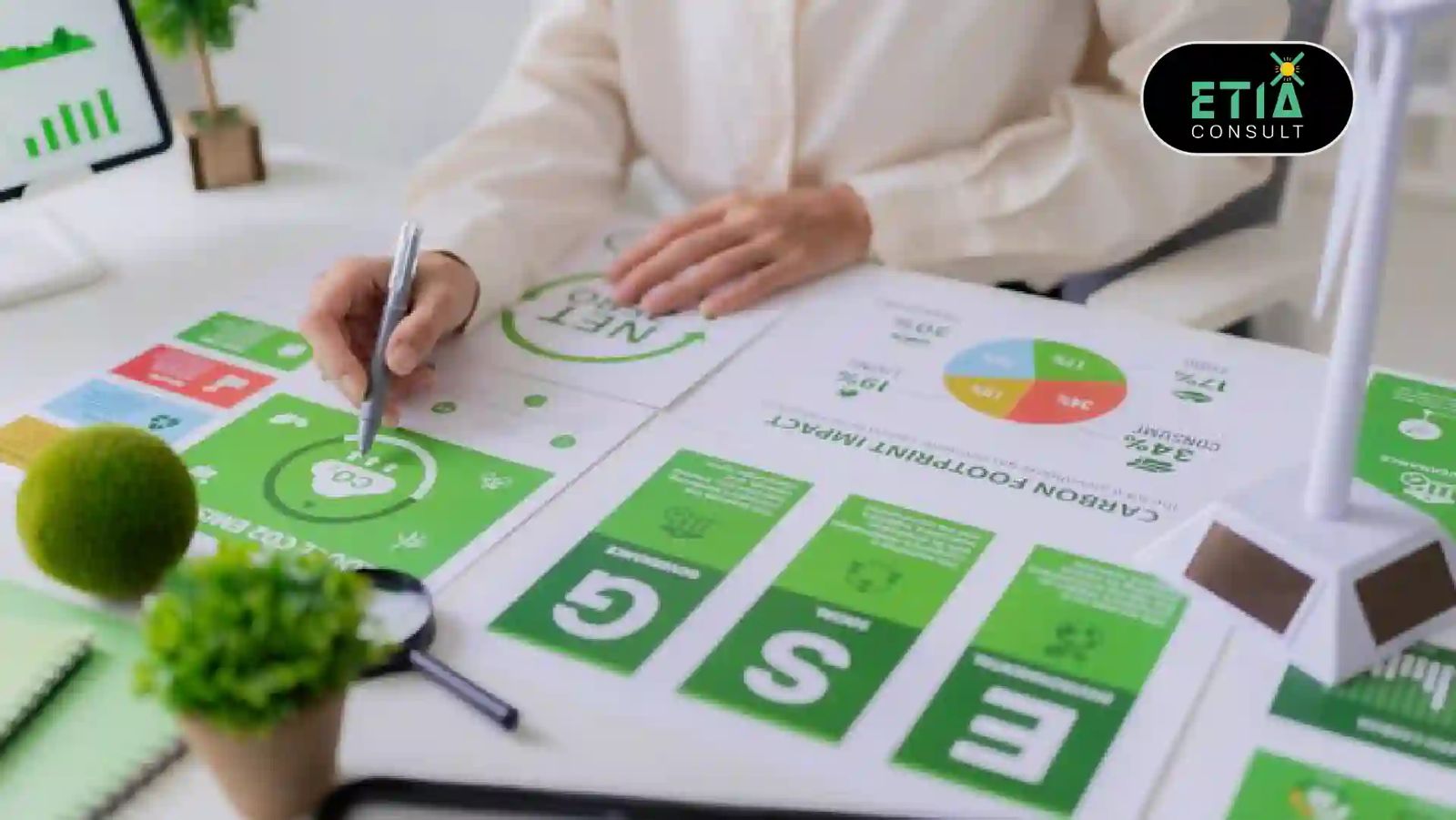
Environmental, Social, and Governance initiatives have evolved significantly over the past decade. Today, ESG in the energy sector influences investment decisions, stakeholder confidence, operational performance, and corporate reputation — making it a strategic priority that no executive team can afford to treat as a reporting overhead.
The regulatory landscape reinforces this urgency. The EU’s Corporate Sustainability Reporting Directive (CSRD) and CSDDD have made comprehensive ESG disclosure mandatory — and the EU Emissions Trading System continues to tighten the financial consequences of carbon-intensive operations.
Moving Beyond Compliance
Successful organizations no longer approach ESG as a reporting exercise. They integrate sustainability into strategic planning, operational decision-making, and business development — creating alignment between financial performance and responsible business practices. This is the philosophy behind ETIAconsult’s Corporate Sustainability 2.0 framework.
Building Stakeholder Trust
Transparent ESG initiatives demonstrate accountability to investors, regulators, customers, employees, and local communities. Consistent reporting against frameworks like GRI Standards and UN PRI principles strengthens the long-term credibility that determines access to capital, partnership opportunities, and operating licenses.
Sustainability Supports Business Resilience
Responsible business practices contribute to operational stability, market confidence, and long-term competitiveness. Organizations navigating the ESG challenges energy companies face in 2026 find that proactive sustainability investment reduces risk exposure across regulatory, reputational, and supply chain dimensions simultaneously.
Energy Business Innovation Drives Competitive Advantage
Innovation has become one of the defining characteristics of successful energy companies. But energy business innovation extends well beyond new technologies — it includes improvements in business processes, customer engagement, operational efficiency, digital services, workforce collaboration, and data-driven decision-making across the full value chain.
Encouraging a Culture of Innovation
Technology alone does not create innovation. Organizations must foster environments where employees are encouraged to explore new ideas, improve workflows, and solve emerging challenges collaboratively. This organizational dimension is where agile consulting for energy businesses delivers some of its most significant and lasting value — building the capability infrastructure that makes innovation sustainable rather than episodic.
Sustainable Energy Transformation Shapes Long-Term Growth
The global transition toward more sustainable energy systems continues gaining momentum — driven by the IEA Clean Energy Transitions Programme, EU policy, and market forces that are increasingly making clean energy the economically competitive choice, not just the responsible one.
Organizations must balance current operational requirements with future environmental expectations — a tension that sustainable energy transformation strategy resolves by building efficiency and sustainability improvements into the same operational initiatives rather than treating them as competing priorities.
Resource Optimization
Operational data analysis identifying waste, inefficiency, and optimization opportunities across energy production, distribution, and trading — reducing cost while improving the environmental performance that sustainability reporting must account for.
Emissions Reduction
Structured Scope 1, 2, and 3 emissions reduction programs aligned to science-based targets — providing the verified emissions data that CSRD disclosure, EU ETS compliance, and TCFD climate risk reporting require.
Renewable Integration
Incorporating wind, solar, and green hydrogen into energy portfolios and trading operations — responding to both customer demand for clean energy and the commercial opportunity created by renewable cost curves.
Supply Chain Responsibility
Extending sustainability requirements upstream and downstream — managing Scope 3 emissions, supplier ESG performance, and material sourcing accountability under CSDDD due diligence obligations for the full value chain.
Transformation is a continuous journey — not a one-time project. Successful organizations recognize that sustainable energy transformation evolves through ongoing improvement, regular strategy review, and the willingness to adapt as technologies, markets, and regulatory requirements change around them.
Corporate Sustainability Strategy Supports Better Decision-Making
Long-term success depends upon aligning sustainability objectives with business priorities. This requires thoughtful planning and genuine integration — connecting environmental goals with operational planning, financial performance, governance practices, and organizational culture so sustainability becomes part of everyday decision-making rather than a separate business function.
Materiality Assessment
Identifying the ESG topics most material to business performance and stakeholder expectations — using double materiality methodology as required under CSRD to determine both impact materiality and financial materiality for each issue.
Integrated Strategy Design
Building a corporate sustainability strategy that connects environmental goals with operational planning, capital allocation, risk management, and commercial objectives — making sustainability a lens applied to every strategic decision, not a standalone workstream.
Measurable Performance Metrics
Establishing SMART sustainability targets supported by clear performance indicators — creating the accountability structure that enables continuous evaluation and informed strategic adjustment. As ETIAconsult’s data-driven ESG strategy framework demonstrates, what gets measured gets managed.
Data Infrastructure Investment
Building the ESG data management systems — governance frameworks, validation controls, reporting architecture — that make strategy execution visible and verifiable. Without this infrastructure, strategy documents remain intentions rather than accountable commitments.
Stakeholder Communication
Publishing transparent, verifiable sustainability disclosures aligned to GRI Standards, TCFD, and CSRD requirements — building the stakeholder confidence that supports regulatory relationships, investor access, and commercial partnerships simultaneously.
Energy Sector Digital Transformation Enables Smarter Operations
Digital technologies continue reshaping every aspect of the energy industry. The ongoing energy sector digital transformation supports greater efficiency, transparency, and responsiveness across trading, operations, risk management, and sustainability functions — creating the connected intelligence infrastructure that future-ready organizations depend on.
Organizations that integrate digital transformation with sustainability strategy achieve compounding advantages: better ESG data through automated collection; better ESG decisions through analytics; better ESG outcomes through operational optimization — all feeding back into stronger reporting and stakeholder confidence that supports further investment.
Bringing ESG and Innovation Together
Although sustainability and innovation are often discussed separately, they deliver far greater value when integrated. Innovation helps organizations achieve sustainability objectives more efficiently. Equally, ESG priorities often inspire the new technologies, improved business models, and more responsible operational practices that create competitive advantage.
Together, these capabilities strengthen organizational resilience and create a self-reinforcing cycle of improvement that is extremely difficult for competitors to replicate — because it is embedded in culture, systems, and strategy simultaneously.
Investor Confidence
Combined ESG transparency and digital capability maturity signals the risk management sophistication and long-term thinking that institutional investors prioritize — improving capital access and valuation multiples for organizations with credible integrated strategies.
Regulatory Readiness
Organizations with integrated ESG and digital infrastructure absorb new regulatory requirements faster and at lower cost — staying ahead of mandates from ESMA, EU Commission, and national energy regulators rather than scrambling to retrofit compliance systems after deadlines arrive.
Operational Performance
ESG-driven efficiency initiatives — emissions reduction, resource optimization, supply chain responsibility — consistently deliver operational cost improvements alongside sustainability performance gains when properly measured and managed through decarbonization solutions.
Customer Trust
Organizations demonstrating genuine sustainability progress and operational excellence earn stronger customer loyalty, better contract terms, and preferred partner status in a B2B energy market where procurement teams are increasingly evaluating supplier ESG credentials alongside price and reliability.

Preparing for the Future of Energy
The pace of change within the global energy industry is unlikely to slow. As the IEA’s clean energy transition research consistently shows, the organizations that will define the energy landscape of 2030 and beyond are those that invest in capability now — not those that wait for certainty before committing.
Future-ready businesses will increasingly depend on the following foundational capabilities:
Continuous Learning
Organizations that invest in capability development and knowledge sharing adapt more effectively to changing market, regulatory, and technological conditions.
Cross-Functional Collaboration
Breaking down departmental silos between trading, risk, sustainability, digital, and finance teams — creating the integrated perspective that complex energy challenges demand.
Data-Driven Leadership
Executive decisions anchored in real-time operational intelligence and data-driven ESG analytics rather than periodic reports and historical benchmarks.
Responsible Innovation
Developing and deploying new technologies and business models with ESG impact assessments integrated into the innovation process — not added as an afterthought once deployment decisions are made.
Strong Governance
Board-level ESG accountability, transparent decision-making, and consistent reporting that builds the institutional credibility stakeholders increasingly demand before committing capital, partnerships, or licenses to operate.
Long-Term Strategic Planning
Multi-horizon strategy frameworks that balance 2026 compliance deadlines with 2030 sustainability commitments and 2050 net-zero pathways — creating coherent direction amid short-term market volatility.
Frequently Asked Questions
Key questions on future-ready energy businesses, ESG, and innovation strategy
Ready to Integrate ESG, Innovation,
and Digital Strategy?
ETIAconsult helps European energy organizations combine sustainability, digital transformation, and responsible innovation into a unified business strategy that delivers lasting resilience, regulatory confidence, and competitive advantage.